Newsletter: Housing Starts Decreased to 1.246 million Annual Rate in October

Housing Starts Fall to 1.246 Million Annual Rate in October
WASHINGTON, D.C. — October saw a decline in U.S. housing starts, with new residential construction beginning at a seasonally adjusted annual rate of 1.246 million units, according to newly released government data. The figure represents a decrease from the revised September rate of 1.359 million units, as reported by the U.S. Department of Housing and Urban Development and the U.S. Census Bureau.
The October data reflects a broader trend of volatility in the housing market, which has experienced fluctuations in recent months amid shifting economic conditions, including rising interest rates and persistent supply constraints. Economists and industry analysts will closely monitor whether this decline signals a more sustained pullback in construction activity or an isolated monthly adjustment.
Single-family housing starts, which account for the majority of new residential construction, fell to an annual rate of 970,000 units in October, down from 1.027 million the previous month. Multi-family starts, which include apartment buildings and condominiums, dropped to 273,000 units from 330,000 in September.
Building permits, a leading indicator of future construction activity, also declined in October. Permits for new residential construction were issued at a seasonally adjusted annual rate of 1.46 million units, down from 1.52 million in September. Permits for single-family homes decreased to 958,000 units, while multi-family permits fell to 498,000 units.
The National Association of Home Builders (NAHB) reported that builder confidence remained low in October, with many citing concerns over elevated material costs, labor shortages, and affordability challenges. The NAHB/Wells Fargo Housing Market Index, a measure of builder sentiment, held steady at 43 in October, unchanged from September and well below the threshold of 50, which indicates a positive market outlook.
Industry observers note that while demand for housing remains strong, particularly among first-time buyers and younger households, affordability continues to be a major barrier. High mortgage rates, which have hovered near two-decade highs, and elevated home prices have dampened purchasing power for many prospective buyers.
Analysts from the Mortgage Bankers Association (MBA) have projected that mortgage rates will gradually decline in 2025, potentially easing some pressure on the housing market. However, the timing and pace of any such easing remain uncertain.
The October housing starts data underscores the ongoing challenges facing the residential construction sector as it navigates a complex economic environment. With permits trending downward and builder confidence subdued, the trajectory of housing supply in the coming months will be closely watched by policymakers, industry stakeholders, and consumers alike.
Comments (0)
No comments yet — be the first to weigh in.

Free School Uniform Swap Shop Saves Welsh Families £50m Annually
A Cardiff father's school uniform swap shop initiative has grown to 200 schools, helping Welsh families save £50m yearly while promoting sustainability and reducing clothing waste.

Poland, US Explore Permanent Military Bases: Defense Talks Underway
Poland and the US are discussing permanent American military bases in Poland, focusing on defense capabilities rather than troop numbers. Nuclear warheads are not part of the plans.

Taxpayers Lost $65B to Obamacare Fraud in 2024; Feds Crack Down
A Paragon Health Institute report reveals $65 billion in taxpayer losses due to Obamacare and Medicaid fraud in 2024, with improper enrollments rising in 2025.
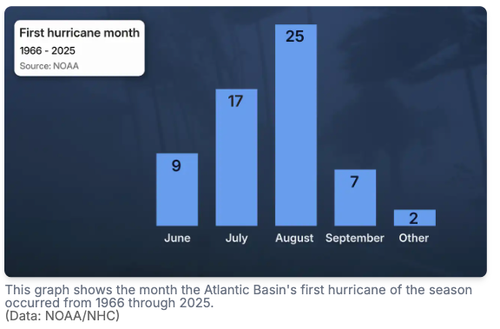
El Niño Delaying 2026 Atlantic Hurricane Season as Dolly Nears Florida
El Niño's wind shear suppresses 2026 Atlantic hurricane activity, delaying first hurricane as Tropical Storm Dolly's remnants approach Florida and the Caribbean.

Mumbai’s Vile Parle Cypher is giving unheard rappers a voice

Enrich and Ultimo impress

Karnataka CM Signals Review of 5% Park Land Amendment Bill in Assembly

