NHS Dentistry Decline: 600 Practices Withdraw, Leaving Communities Without Access
Nearly 600 English dental practices have dropped NHS work in a decade, leaving many areas with limited access to affordable care.
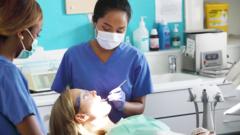
Nearly 600 dental practices in England have stopped providing NHS care over the past decade, according to a new analysis by the Nuffield Trust. The findings indicate that more than one in 10 practices that previously offered state-funded treatment have withdrawn, accelerating what experts describe as the creation of a two-tier dental system based on wealth and location.
The decline in NHS access has accelerated in recent years. Official figures show NHS dental activity remains 8 percent below pre-pandemic levels, while 60 percent of adults in England have not seen an NHS dentist in the past two years. According to the NHS GP Patient Survey, only 38 percent of patients who attempted to secure a new NHS dental appointment over the last two years were successful.
The crisis is particularly severe in parts of the South West and East of England. In Cornwall, more than a quarter of dental practices that previously provided NHS care have ceased doing so. In Somerset, fewer than one in five practices currently offers NHS appointments. Similar sharp declines have affected regions such as Devon and Northamptonshire. By contrast, North East London was the only area in England to record a net gain, adding just one NHS practice over the 10-year period.
Dentists attribute the exodus to an unsustainable national contract, reporting that providing NHS treatments often results in financial losses. Practitioners report that revenue from private care can no longer subsidize underfunded state services. Consequently, numerous dentists have handed back their NHS contracts entirely or closed their doors to new public patients.
Mark Dayan, head of public affairs at the Nuffield Trust, emphasized that overall dental practice numbers in England have actually increased over the decade. He noted that the issue is not a shortage of dentists, but a shortage of NHS dentistry, adding that access to care increasingly depends on where patients live and what they can afford to pay.
Dental representatives have called for immediate structural reform. Shiv Pabary, chair of the British Dental Association's General Dental Practice Committee, said the current situation is the direct result of choices made by successive governments. He warned that without proper funding and contract reform, more practitioners will reduce their NHS commitments or leave the health service entirely.
The lack of access has left many patients unable to secure routine care, with some forced to travel long distances or seek help at hospital accident and emergency departments. Campaign groups have highlighted the burden on individuals who are forced to pay for private care or suffer with ongoing health complications.
In response to the analysis, the government stated it is taking steps to address areas with acute shortages. Ministers said they are reforming the NHS dental contract and expanding training places in high-need regions. Additionally, the government plans to introduce a requirement for newly qualified dentists to practice within the NHS for a minimum of three years.
Comments (0)
No comments yet — be the first to weigh in.

Vaping Found Most Effective Method for Smoking Cessation, Study Shows
A new BBC Health study confirms vaping as the most effective strategy for quitting smoking, outperforming traditional cessation aids and reducing health risks.

Self-Care Strategies for Better Health and Wellbeing
Discover practical self-care tips to improve your physical and mental health. Learn how to prioritize your wellbeing for a better life.

Can You Get Salmonella from Eating Salmon? Facts & Prevention
Explore whether salmon can cause salmonella infections, symptoms to watch for, and key prevention tips to stay safe while consuming seafood.

What are the symptoms of Hypermobility Spectrum Disorder?
The Hypermobility Spectrum Disorder (HSD) is a condition marked by unusually flexible joints, often leading to chronic pain and fatigue. According to the Ehlers...

Mumbai’s Vile Parle Cypher is giving unheard rappers a voice

Enrich and Ultimo impress

Karnataka CM Signals Review of 5% Park Land Amendment Bill in Assembly

