Nottinghamshire Police Faces Backlash Over Live Facial Recognition Plans
Civil rights groups urge Nottinghamshire Police to halt live facial recognition deployment, citing privacy, targeting, and public trust concerns.

The Electronic Frontier Foundation (EFF) and seven civil society organizations have urged Nottinghamshire Police in the UK to immediately halt plans to deploy live facial recognition technology (LFR) in public spaces.
In a joint letter, EFF, Big Brother Watch, Defend Digital Me, Liberty, Open Rights Group, Race Equality First, Statewatch, and Stopwatch raised six key concerns regarding the proposed use of LFR, emphasizing that it represents a significant escalation in surveillance rather than merely "another tool" for law enforcement.
The coalition argues that LFR is a form of biometric mass surveillance that captures and processes the facial data of every individual passing by a camera, effectively treating the public as suspects by default. They dispute Nottinghamshire Police's reassurance that those with nothing to hide have nothing to fear, stating that such technology could deter individuals from accessing essential services or exercising fundamental rights, such as seeking medical care, legal advice, or participating in protests, due to concerns about privacy and surveillance.
A major concern highlighted in the letter is the potential for disproportionate targeting, particularly in cases involving low-level offenses under Operation View. The coalition notes reports suggesting that Nottinghamshire Police may use LFR to address antisocial behavior, including targeting children as young as 11 who are believed to be causing problems. The groups argue that this approach is excessive and that alternative, less intrusive methods should be employed to locate these individuals.
Additionally, the coalition warns that LFR could exacerbate social problems, particularly among children, by negatively impacting their behavior, increasing the risk of reoffending, and eroding trust in law enforcement. They express concern that the use of this technology could create an adversarial relationship between young people and the police from an early age.
The letter also cites public opinion data to underscore the lack of support for LFR. A poll commissioned by Liberty found that 48 percent of people oppose the scanning of faces in public areas when there is no imminent threat. Similarly, a survey by Opinium revealed that the majority of people oppose facial recognition use in schools. The London Policing Ethics Panel further reported that young Londoners aged 16 to 24 were most likely to find the Metropolitan Police Service’s use of LFR unacceptable and were more likely to avoid events where the technology was in use.
Based on these concerns, the coalition has called on Nottinghamshire Police to immediately cease its plans to implement LFR surveillance. The groups urge the police force to reconsider the use of such technology in favor of methods that prioritize privacy, proportionality, and public trust.
For further details, the full letter sent to Nottinghamshire Police can be accessed online.
Comments (0)
No comments yet — be the first to weigh in.

Energy biz SSE smacked around in court by a guy and AI
An Oxford doctoral student has defeated British energy provider SSE Energy Supply in court after utilizing artificial intelligence models to build his legal def...
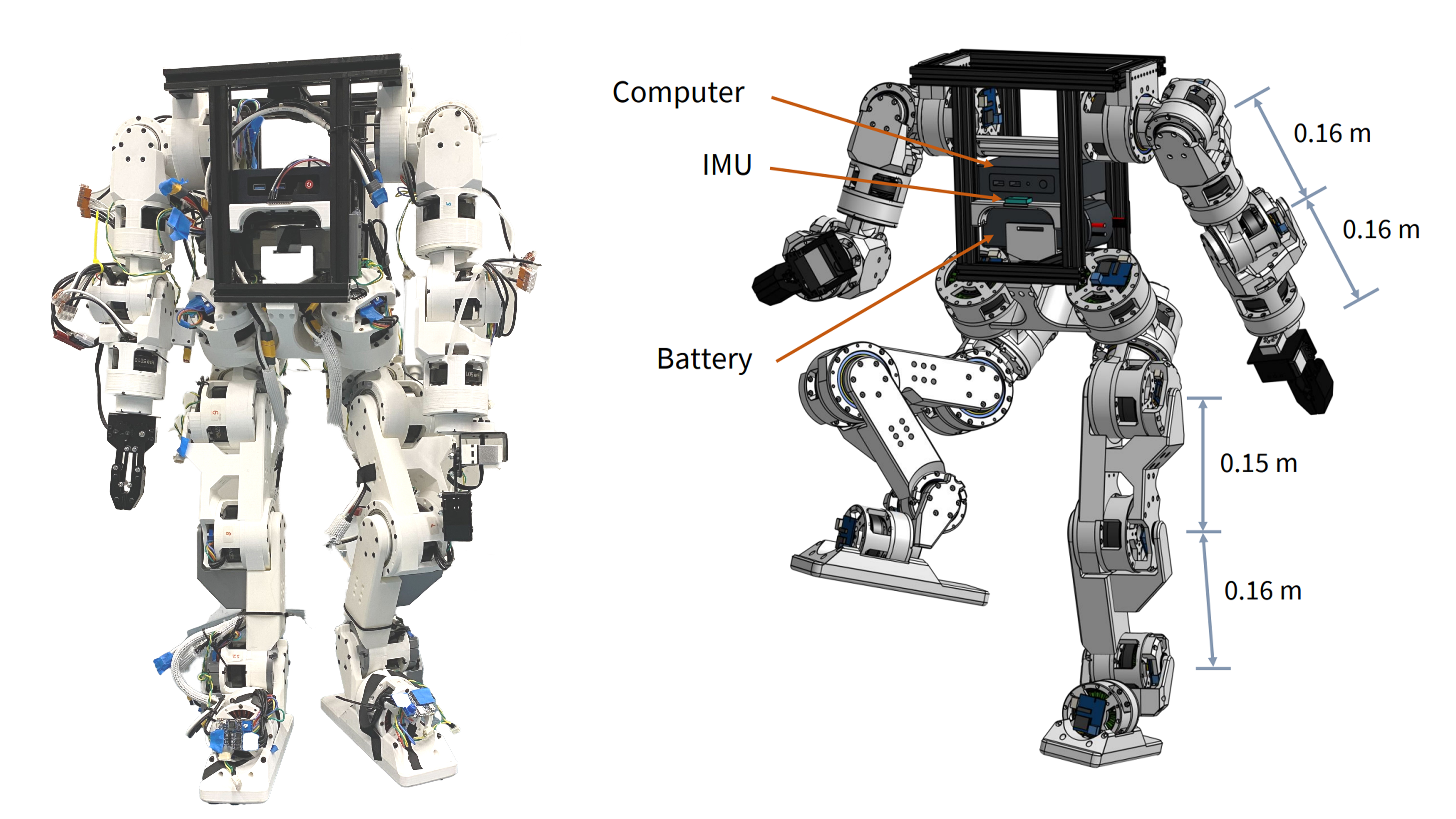
Berkeley Humanoid Lite: Affordable Open-Source Robot with DIY Actuators
Explore the Berkeley Humanoid Lite, a budget-friendly open-source robot featuring 3D-printed actuators under $5,000 USD. Learn how its modular design benefits DIY projects.

Woodstove Safety Monitor: Oru System Alerts Users to Temperature Fluctuations
Discover how the Oru woodstove assistant helps prevent dangerous chimney fires by monitoring exhaust gas temperatures and alerting users to temperature changes.
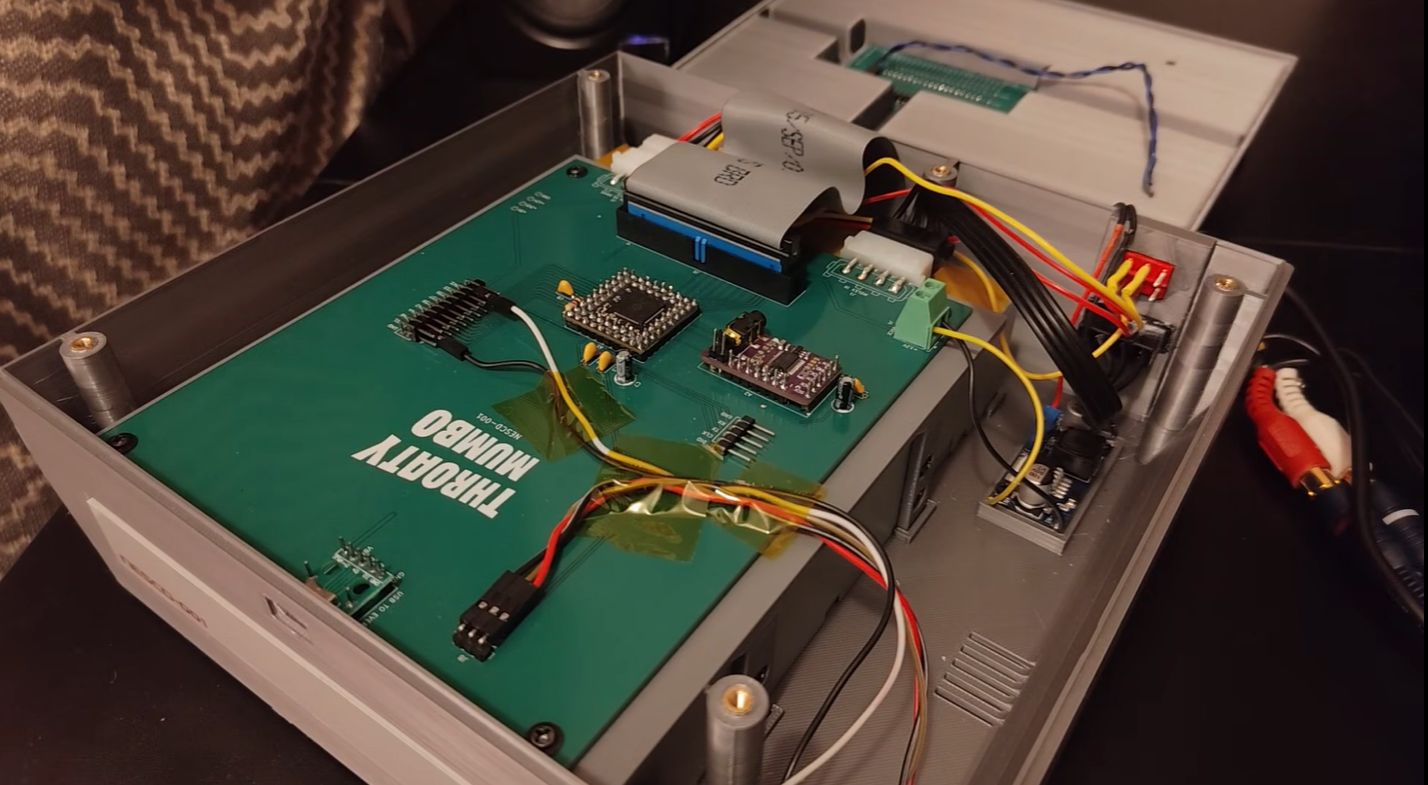
NES CD Add-On Revives 1980s Gaming with Optical Storage
Explore how a DIY project integrates a CD drive with the NES using an RP2350B microcontroller and Everdrive N8 Pro for expanded storage and audio playback.

Mumbai’s Vile Parle Cypher is giving unheard rappers a voice

Enrich and Ultimo impress

Karnataka CM Signals Review of 5% Park Land Amendment Bill in Assembly

