Number Of The Day: $40 Trillion Of Pubic Debt And Counting Rapidly To WTF?!

The federal debt has surpassed $40 trillion, according to the latest figures from the U.S. Treasury Department. As of the most recent reporting period, the national debt stands at approximately $40.04 trillion, reflecting continued growth driven by federal spending and revenue shortfalls. The increase comes amid ongoing debates over fiscal policy, with economists warning of long-term implications for economic stability and growth.
The debt level has risen sharply in recent years, accelerating from $21 trillion in 2017 to over $40 trillion in 2025. This surge coincides with increased government spending on social programs, infrastructure, and pandemic-related relief efforts. Federal deficits have averaged over $1 trillion annually in recent years, even outside of crisis periods, raising concerns about sustainability. The Congressional Budget Office projects that without significant policy changes, the debt-to-GDP ratio could exceed 120% within a decade.
The rapid accumulation of debt has drawn criticism from fiscal conservatives, who argue that unchecked borrowing risks undermining economic confidence and crowding out private investment. The Peter G. Peterson Foundation notes that rising interest costs—now exceeding $1 trillion annually—are diverting resources away from other federal priorities. Meanwhile, some economists caution that while short-term deficit spending can support growth, prolonged imbalances may lead to higher inflation or financial instability.
The Treasury Department has not issued a formal statement on the $40 trillion milestone, but officials have repeatedly emphasized the need for bipartisan solutions to address long-term fiscal challenges. In a recent report, the Government Accountability Office highlighted the lack of a comprehensive federal debt reduction plan as a growing concern.
Historically, the U.S. has relied on its ability to borrow at low interest rates due to the dollar’s status as the global reserve currency. However, growing skepticism among investors could lead to higher borrowing costs in the future. The Federal Reserve has signaled that it will continue monitoring inflation and debt trends as part of its broader economic strategy.
As the debt continues to climb, lawmakers face mounting pressure to address structural issues in the federal budget, including entitlement programs and tax policy. Without decisive action, the trajectory of U.S. debt could pose significant challenges for future generations. Analysts suggest that fiscal reforms—such as spending restraint, tax adjustments, or economic growth initiatives—may be necessary to stabilize the nation’s long-term financial position.
Comments (0)
No comments yet — be the first to weigh in.

Free School Uniform Swap Shop Saves Welsh Families £50m Annually
A Cardiff father's school uniform swap shop initiative has grown to 200 schools, helping Welsh families save £50m yearly while promoting sustainability and reducing clothing waste.

Poland, US Explore Permanent Military Bases: Defense Talks Underway
Poland and the US are discussing permanent American military bases in Poland, focusing on defense capabilities rather than troop numbers. Nuclear warheads are not part of the plans.

Taxpayers Lost $65B to Obamacare Fraud in 2024; Feds Crack Down
A Paragon Health Institute report reveals $65 billion in taxpayer losses due to Obamacare and Medicaid fraud in 2024, with improper enrollments rising in 2025.
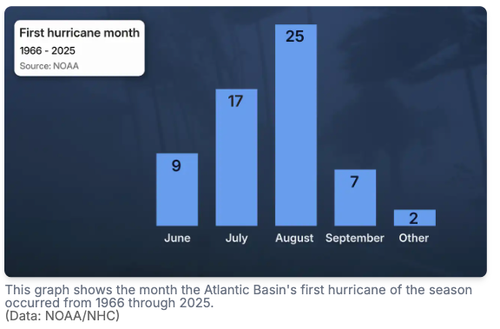
El Niño Delaying 2026 Atlantic Hurricane Season as Dolly Nears Florida
El Niño's wind shear suppresses 2026 Atlantic hurricane activity, delaying first hurricane as Tropical Storm Dolly's remnants approach Florida and the Caribbean.

Mumbai’s Vile Parle Cypher is giving unheard rappers a voice

Enrich and Ultimo impress

Karnataka CM Signals Review of 5% Park Land Amendment Bill in Assembly

