Number Of The Day: $40 Trillion Of Public Debt And Counting Rapidly To WTF?!

The federal government's total public debt has exceeded $40 trillion, continuing a decades-long upward trend that shows no signs of slowing, according to the latest Treasury Department data.
The figure, which includes debt held by the public and intragovernmental holdings, reflects the cumulative effect of annual budget deficits that have persisted since the early 1980s. The milestone comes despite periodic legislative attempts to curb spending or raise the statutory debt limit.
The debt has grown rapidly in recent years, driven by a combination of reduced tax revenues during economic downturns, increased spending on programs such as Social Security and Medicare, and substantial outlays for pandemic relief measures. The Congressional Budget Office (CBO) projects that under current policies, the debt will continue to rise, reaching nearly 122 percent of gross domestic product (GDP) by 2034—far above its historical average.
Economists warn that sustained high levels of federal debt can lead to higher interest payments, reduced fiscal flexibility, and potential constraints on future economic growth. The nonpartisan Committee for a Responsible Federal Budget noted in a recent analysis that interest costs alone are on track to become the largest federal program, surpassing spending on defense and major health programs within a decade.
The Treasury Department has stated that managing the debt requires a balanced approach, including responsible fiscal policies and economic growth. Treasury Secretary Janet Yellen has emphasized the need for Congress to address long-term fiscal challenges, including the sustainability of entitlement programs and the tax code.
The $40 trillion threshold underscores the growing financial burden placed on future generations, as servicing the debt diverts funds that could otherwise be invested in infrastructure, education, or other public priorities. The situation has renewed calls from lawmakers and policy analysts for structural reforms to bring spending and revenue into alignment.
The rapid accumulation of debt has drawn criticism from fiscal conservatives, who argue that unchecked borrowing reflects a failure of political leadership to prioritize fiscal responsibility. Progressive groups, meanwhile, have pointed to underfunded social programs and insufficient revenue from wealthy individuals and corporations as contributing factors.
As the debt continues to rise, the debate over how to address it is likely to intensify, with potential implications for tax policy, government spending, and the broader economy in the years ahead.
Comments (0)
No comments yet — be the first to weigh in.

Free School Uniform Swap Shop Saves Welsh Families £50m Annually
A Cardiff father's school uniform swap shop initiative has grown to 200 schools, helping Welsh families save £50m yearly while promoting sustainability and reducing clothing waste.

Poland, US Explore Permanent Military Bases: Defense Talks Underway
Poland and the US are discussing permanent American military bases in Poland, focusing on defense capabilities rather than troop numbers. Nuclear warheads are not part of the plans.

Taxpayers Lost $65B to Obamacare Fraud in 2024; Feds Crack Down
A Paragon Health Institute report reveals $65 billion in taxpayer losses due to Obamacare and Medicaid fraud in 2024, with improper enrollments rising in 2025.
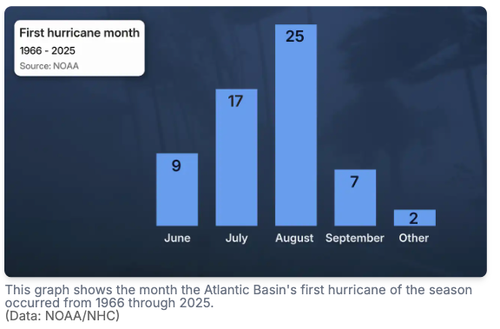
El Niño Delaying 2026 Atlantic Hurricane Season as Dolly Nears Florida
El Niño's wind shear suppresses 2026 Atlantic hurricane activity, delaying first hurricane as Tropical Storm Dolly's remnants approach Florida and the Caribbean.

Mumbai’s Vile Parle Cypher is giving unheard rappers a voice

Enrich and Ultimo impress

Karnataka CM Signals Review of 5% Park Land Amendment Bill in Assembly

