OpenAI Urges Court to Dismiss Apple’s Trade Secret Lawsuit Permanently
OpenAI files new motion to dismiss Apple’s lawsuit alleging trade secret theft by ex-employees, arguing lack of specificity in claims. Court hearing set for October 1.

OpenAI pushes for dismissal of Apple’s trade‑secret lawsuit
OpenAI has filed a new petition asking a federal court to dismiss Apple’s trade‑secret misappropriation complaint with prejudice, a move that would bar Apple from re‑filing the case. The petition, filed on behalf of the company and its co‑defendants io Products, reiterates earlier arguments that Apple’s claims lack the specificity required under the Defend Trade Secrets Act (DTSA).
Apple’s lawsuit, filed a few weeks ago, accuses former Apple employees Chang Liu and Tang Tan of improperly taking or accessing confidential Apple information after leaving the company. The complaint also alleges that the two ex‑employees coached prospective hires on how to avoid triggering Apple’s security systems while transferring proprietary data. In addition to the individual defendants, Apple has named OpenAI and Jony Ive’s io Products, claiming they benefited from the alleged misappropriated information.
Apple seeks a preliminary injunction to prevent OpenAI and the other defendants from accessing, using, or disclosing Apple’s proprietary information while the litigation proceeds. The company also requests expedited discovery so that it can more quickly determine the scope of the alleged misappropriation and the corresponding injunction.
In response, OpenAI and its co‑defendants filed a motion to dismiss the complaint, arguing that Apple failed to meet the legal bars required to support its DTSA claims. The defendants contend that Apple did not identify protectable trade secrets with sufficient specificity, did not plausibly allege that the defendants misappropriated those secrets, and failed to show any resulting injury or ongoing harm. Apple has rebutted these points, asserting that the complaint contains specific trade secrets and specific acts of alleged misappropriation.
Apple’s rebuttal also includes a defense of two particular arguments raised by OpenAI. First, the company claims that Tang Tan retained Apple’s off‑boarding document only to help future hires comply with Apple’s security requirements. Second, it argues that Chang Liu accessed Apple information after leaving the company because former colleagues had asked for help. Apple maintains that these alleged defenses do not negate the alleged misappropriation.
In its new brief, OpenAI reiterates that Apple’s complaint fails to satisfy the DTSA’s three‑prong test for a trade‑secret claim. The brief argues that the complaint does not identify a specific trade secret, does not explain why that information is protected, and does not show how a defendant improperly acquired, disclosed, or used it. The brief further argues that Apple’s “trade secrets” are vague categories and that the company cannot rely on attorney characterization to fill in missing facts.
OpenAI also accuses Apple of asking the court to infer essential facts that are not alleged. The brief cites Rule 12, which permits reasonable inferences from alleged facts, but argues that it does not allow speculation to substitute for the missing act of misappropriation. The brief lists several examples that the defendants believe illustrate Apple’s vague allegations, including requests that a candidate bring “parts,” pre‑interview downloading, and questions about Apple projects. The brief contends that these allegations do not establish a clear chain of acquisition or use of trade secrets.
With the new motion filed, the briefing on the case is effectively complete ahead of a hearing scheduled for October 1. The court will decide whether to dismiss the lawsuit with prejudice, which would prevent Apple from pursuing the same claims in the future.
The outcome of the hearing could have significant implications for how trade‑secret claims are pursued in the technology sector, particularly for companies that rely on large amounts of proprietary data. The court’s decision will determine whether Apple’s allegations against former employees and technology firms meet the statutory requirements for a DTSA claim.
Comments (0)
No comments yet — be the first to weigh in.
Energy biz SSE smacked around in court by a guy and AI
An Oxford doctoral student has defeated British energy provider SSE Energy Supply in court after utilizing artificial intelligence models to build his legal def...
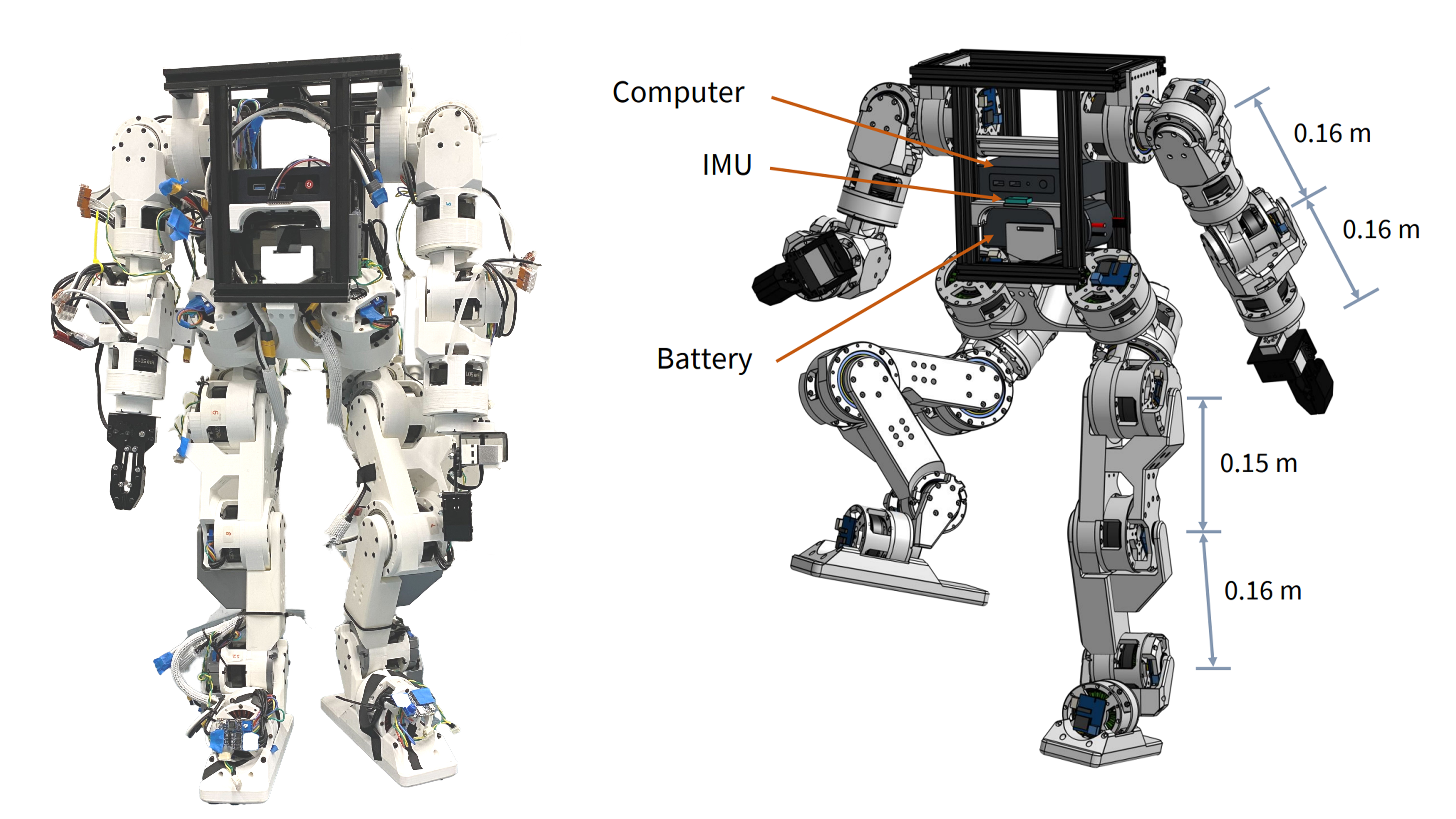
Berkeley Humanoid Lite: Affordable Open-Source Robot with DIY Actuators
Explore the Berkeley Humanoid Lite, a budget-friendly open-source robot featuring 3D-printed actuators under $5,000 USD. Learn how its modular design benefits DIY projects.

Woodstove Safety Monitor: Oru System Alerts Users to Temperature Fluctuations
Discover how the Oru woodstove assistant helps prevent dangerous chimney fires by monitoring exhaust gas temperatures and alerting users to temperature changes.
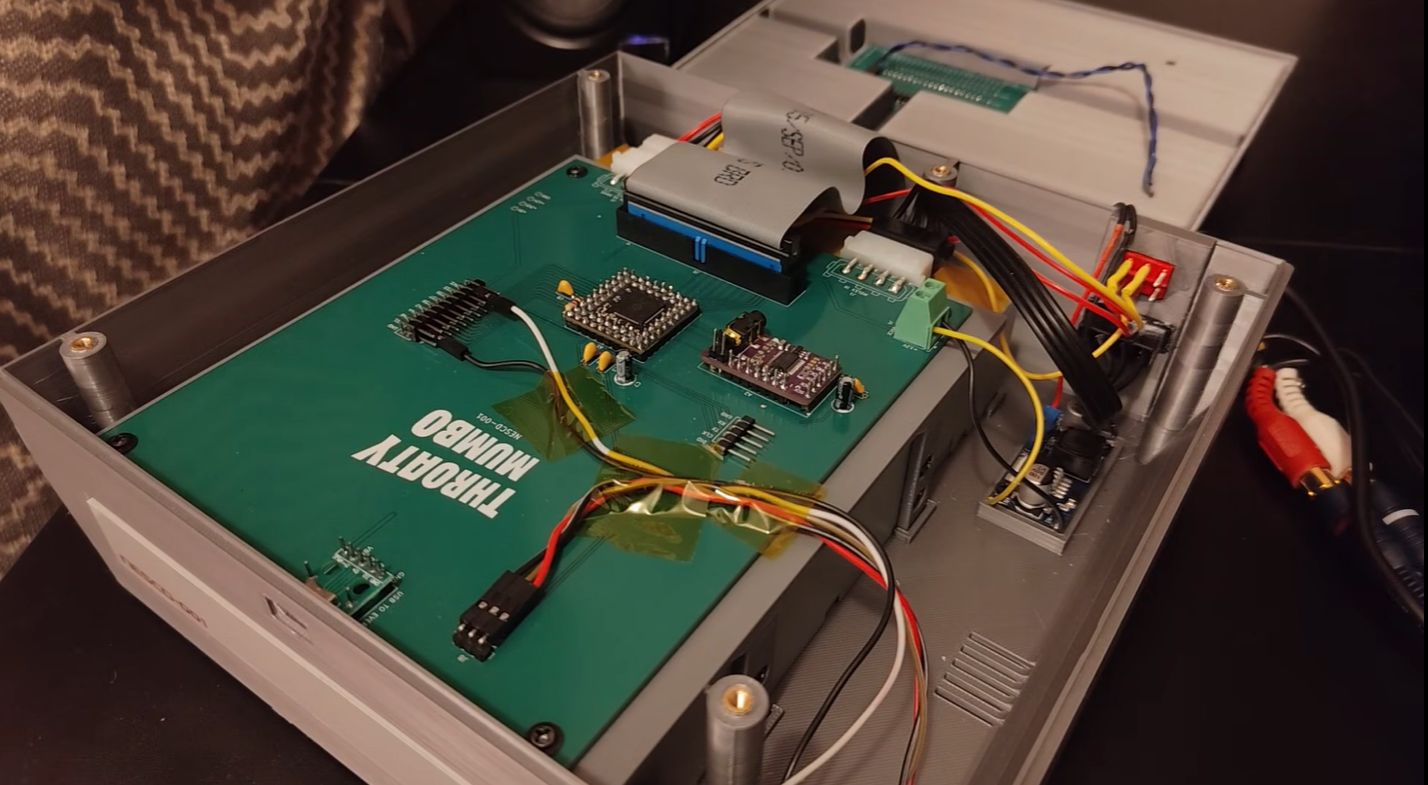
NES CD Add-On Revives 1980s Gaming with Optical Storage
Explore how a DIY project integrates a CD drive with the NES using an RP2350B microcontroller and Everdrive N8 Pro for expanded storage and audio playback.

Mumbai’s Vile Parle Cypher is giving unheard rappers a voice

Enrich and Ultimo impress

Karnataka CM Signals Review of 5% Park Land Amendment Bill in Assembly

