Pakistan’s “Fresh” Proposals to End Iran-U.S. Conflict
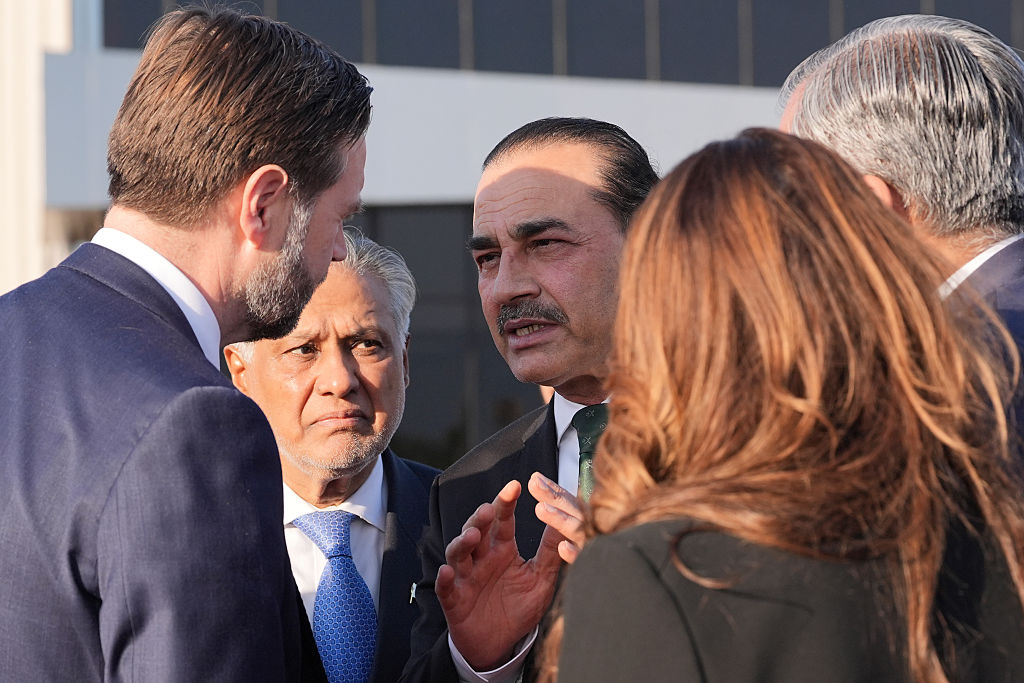
Pakistan's Chief of Defense Forces, Field Marshal Asim Munir, concluded a two-day visit to Iran on August 26, presenting what Islamabad describes as "fresh proposals" aimed at resolving the ongoing conflict between Iran and the United States. The trip, which follows recent high-level discussions between Pakistani and U.S. leadership, signals intensified diplomatic efforts to reopen the Strait of Hormuz, a critical chokepoint for global oil shipments.
Field Marshal Munir’s visit, authorized by both U.S. and Pakistani leadership, comes amid escalating economic pressures tied to the Strait’s closure. Iran has restricted maritime traffic since February, when Israel and the U.S. conducted joint strikes against Iranian territory, deepening regional tensions. Pakistan has positioned itself as a key mediator, hosting multiple rounds of negotiations between Iranian and U.S. officials, including a 22-hour marathon session in Islamabad in May.
The urgency of Munir’s mission was underscored by recent communications between Pakistani and U.S. leaders. Field Marshal Munir spoke with U.S. Vice President J.D. Vance last week, with President Trump also involved in pre-trip consultations. Pakistani officials framed the visit as a routine bilateral engagement, but analysts note the military’s direct involvement reflects the high stakes of the conflict.
The core objective of Munir’s proposals is to secure Iran’s reopening of the Strait of Hormuz, which has remained closed since February. While the U.S. initially sought Iran’s commitment to denuclearization, economic priorities now dominate negotiations. Vice President Vance has stated that ensuring affordable oil and gasoline for American consumers is the administration’s "goal number one," superseding earlier nonproliferation objectives.
For Iran, the reopening of the Strait hinges on sanctions relief and the unfreezing of assets—a demand Washington appears increasingly willing to consider. The U.S. has signaled flexibility on economic measures, though details of Munir’s proposals remain undisclosed. Iranian leadership has tied the Strait’s closure to broader concessions, including an end to hostilities in the region.
Pakistan’s mediation role has grown since February, with Field Marshal Munir engaging in multiple discussions with Iranian counterparts. His latest visit marks the third such trip since the conflict began, reflecting Islamabad’s sustained diplomatic push. Both sides have expressed cautious optimism, though the success of negotiations hinges on Iran’s willingness to prioritize economic relief over its previous demands.
The Trump administration’s focus on the Strait underscores the broader geopolitical stakes, with regional partners like Saudi Arabia urging a resolution to restore trade flows. With global oil markets sensitive to disruptions, the outcome of these talks could have far-reaching economic implications. As negotiations continue, the international community watches closely for signs of progress.
Comments (0)
No comments yet — be the first to weigh in.

Iran-US Tensions Escalate Amid Hormuz Strait Crisis – Live Updates
Iranian President Pezeshkian seeks diplomatic solutions with global leaders at SCO summit in Kyrgyzstan amid rising US tensions over Hormuz Strait.

Search continues for 18 passengers after ferry capsized in northern Cyprus
Search and rescue operations are continuing off the coast of Kyrenia in northern Cyprus after a passenger ferry capsized and sank on Sunday, leaving at least ei...

Swiss Man Arrested After Deadly Rave Shooting Kills Italian Woman
A 43-year-old Swiss suspect has been arrested after a shooting at a techno rave in Aarau left one woman dead and several others injured. Authorities continue their investigation.

England attack's 2005 comparisons fair - Trescothick
England’s new pace attack is drawing comparisons to the legendary Ashes-winning quartet of 2005, according to interim head coach Marcus Trescothick. The current...

Mumbai’s Vile Parle Cypher is giving unheard rappers a voice

Enrich and Ultimo impress

Karnataka CM Signals Review of 5% Park Land Amendment Bill in Assembly

