PCE Inflation on the Hot Side, Lack of Progress in Pictures

The Federal Reserve’s preferred inflation gauge, the Personal Consumption Expenditures (PCE) index, rose more than expected in July, signaling persistent price pressures that remain above the central bank’s 2% target.
According to the Bureau of Economic Analysis (BEA), PCE inflation increased by 0.2% month-over-month, while core PCE—which excludes volatile food and energy prices—rose by 0.16%. On an annual basis, headline PCE inflation stood at 2.6%, exceeding the Econoday consensus forecast of 2.6% and surpassing the Fed’s target for the 65th consecutive month since March 2021.
Services inflation, a key driver of PCE, remained elevated at 3.357% year-over-year as of October 2025, reinforcing concerns about sticky price growth in the services sector. Meanwhile, goods prices declined by 0.11%, though the BEA’s seasonal adjustments for gasoline prices drew scrutiny. The BEA reported a 2.7% drop in gasoline prices for July, but unadjusted data from AAA fuel price reports showed that the average national pump price actually rose by approximately 0.5% last month. This discrepancy stems from statistical adjustments by the BLS, which the BEA incorporates, leading many consumers to question the accuracy of the reported decline.
The divergence between adjusted and unadjusted figures underscores broader skepticism about official inflation metrics. Core CPI, another closely watched inflation measure, remains stubbornly high at 2.5% year-over-year, further complicating the Fed’s policy outlook.
As inflation persists above target, the Fed faces mounting criticism regardless of its next move. Should the central bank resume interest rate hikes—an action some economists argue is long overdue—it risks triggering market instability or an economic downturn, drawing blame for a potential downturn. Conversely, inaction could allow inflationary pressures and asset bubbles—particularly in sectors like artificial intelligence, where debt-fueled growth remains a concern—to expand unchecked, ultimately leading to a more severe correction down the road.
In a separate economic development, trade tensions between the U.S. and Canada escalated in late August 2026. Following U.S. tariffs that raised aluminum costs for American consumers by 75% compared to global averages, Canadian Prime Minister Mark Carney retaliated by restricting oil exports to the U.S. President Donald Trump responded with a symbolic threat to rename Lake Ontario—an action he lacks the authority to enforce—highlighting the futility of escalating trade disputes. Analysts warn that such tit-for-tat measures harm both economies, yet political pressures on both sides have made de-escalation difficult.
With inflation remaining stubbornly high, asset valuations stretched, and trade relations deteriorating, policymakers face a precarious balancing act—one that may ultimately determine whether the economy experiences a soft landing or a more disruptive correction.
Comments (0)
No comments yet — be the first to weigh in.

Free School Uniform Swap Shop Saves Welsh Families £50m Annually
A Cardiff father's school uniform swap shop initiative has grown to 200 schools, helping Welsh families save £50m yearly while promoting sustainability and reducing clothing waste.

Poland, US Explore Permanent Military Bases: Defense Talks Underway
Poland and the US are discussing permanent American military bases in Poland, focusing on defense capabilities rather than troop numbers. Nuclear warheads are not part of the plans.

Taxpayers Lost $65B to Obamacare Fraud in 2024; Feds Crack Down
A Paragon Health Institute report reveals $65 billion in taxpayer losses due to Obamacare and Medicaid fraud in 2024, with improper enrollments rising in 2025.
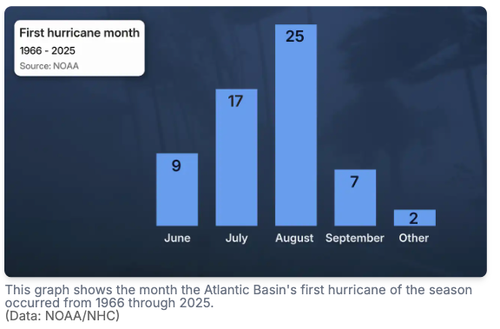
El Niño Delaying 2026 Atlantic Hurricane Season as Dolly Nears Florida
El Niño's wind shear suppresses 2026 Atlantic hurricane activity, delaying first hurricane as Tropical Storm Dolly's remnants approach Florida and the Caribbean.

Mumbai’s Vile Parle Cypher is giving unheard rappers a voice

Enrich and Ultimo impress

Karnataka CM Signals Review of 5% Park Land Amendment Bill in Assembly

