Personalized mRNA cancer vaccine shows promise in preventing melanoma return
Early trial results reveal a personalized mRNA vaccine combined with immunotherapy stopped melanoma recurrence, marking a potential breakthrough in cancer treatment.
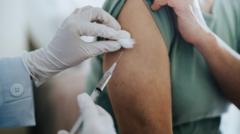
A personalised cancer vaccine given with the drug Keytruda halted the return of high‑risk melanoma in a phase‑three trial, a development that experts say could change the way skin cancer is treated. In the study, more than 1,000 patients who had undergone surgery for stage 2, 3 or 4 melanoma received the vaccine, called Intismeran, together with Keytruda. The combination extended the time patients remained cancer‑free and lowered the risk of the disease spreading, according to an announcement from Merck & Co (MSD) and Moderna.
The vaccine uses messenger‑RNA (mRNA) technology, the same platform that underpinned some COVID‑19 vaccines, to target mutations found in a patient’s tumour. After a small surgical sample of the cancer is sequenced, the mRNA is customised to instruct the immune system to recognise and attack any remaining cancer cells. Merck and Moderna are also testing similar personalised vaccines for lung, bladder and kidney cancers.
While the interim data are promising, the results have not yet been published in a peer‑reviewed journal and are not yet subject to independent expert scrutiny. “It’s a breakthrough, but we must remain cautious until the full results are released and peer‑reviewed,” said Dr Talisia Quallo, head of prevention and early detection at Cancer Research UK. Even after the trial is completed, the treatment will need regulatory approval and a separate NHS approval process before it can be offered to patients.
Prof Peter Johnson, National Clinical Director for Cancer at NHS England, told the BBC’s Today Programme that the new therapy “directs the immune system very specifically” and is “a very important advance” for the NHS, which is preparing to bring this type of treatment to patients. “Most of the cancer immune treatments we have been using up until now have been about cutting the immune system loose and hoping that it recognises the cancer. This is a way to direct it very specifically,” he said.
Moderna CEO Stéphane Bancel described the findings as a “pivotal moment” in cancer research. Shares in both companies rose after the announcement. Dr Lennard Lee, a consultant medical oncologist and associate professor at the University of Oxford, noted that the study “provides proof of principle that personalised cancer vaccines work” and could have broader implications for other cancers.
The detailed results of the trial are expected to be presented at a medical conference in October. For now, the data suggest that combining a personalised mRNA vaccine with an existing immunotherapy drug can improve outcomes for patients with aggressive melanoma, but further analysis is required to confirm the durability of the effect and to establish safety and efficacy across larger populations.
Comments (0)
No comments yet — be the first to weigh in.

Vaping Found Most Effective Method for Smoking Cessation, Study Shows
A new BBC Health study confirms vaping as the most effective strategy for quitting smoking, outperforming traditional cessation aids and reducing health risks.

Self-Care Strategies for Better Health and Wellbeing
Discover practical self-care tips to improve your physical and mental health. Learn how to prioritize your wellbeing for a better life.

Can You Get Salmonella from Eating Salmon? Facts & Prevention
Explore whether salmon can cause salmonella infections, symptoms to watch for, and key prevention tips to stay safe while consuming seafood.

What are the symptoms of Hypermobility Spectrum Disorder?
The Hypermobility Spectrum Disorder (HSD) is a condition marked by unusually flexible joints, often leading to chronic pain and fatigue. According to the Ehlers...

Mumbai’s Vile Parle Cypher is giving unheard rappers a voice

Enrich and Ultimo impress

Karnataka CM Signals Review of 5% Park Land Amendment Bill in Assembly

