Ratko Mladić, 'Butcher of Bosnia,' Dies: BBC Reporter Recalls Chilling Encounter
BBC correspondent Allan Little reflects on meeting war criminal Ratko Mladić during the Bosnian War, detailing atrocities and personal losses amid ethnic violence.
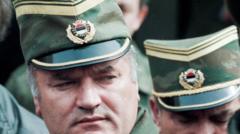
Ratko Mladić, the Bosnian Serb commander who led forces responsible for the genocide at Srebrenica and the broader ethnic cleansing of the 1990s Balkan wars, has died in prison. Mladić, who was convicted by the International Criminal Tribunal for the former Yugoslavia in 2015, had been serving a 35‑year sentence in a Serbian penitentiary when he passed away on 26 August 2024.
The death of Mladić comes after a long period of international scrutiny of the crimes committed by Serb forces during the Bosnian war. According to court records, his units carried out mass killings, forced expulsions, systematic rape and the destruction of villages in an attempt to create ethnically “pure” Serbian territories. The Srebrenica massacre in July 1995 remains the most notorious event, with more than 8,000 Bosniak men and boys murdered over a 10‑day period. The crimes were later classified as genocide by the International Court of Justice.
BBC special correspondent Allan Little, who covered the breakup of Yugoslavia for the network, met Mladić in the early months of the Bosnian war, in the summer of 1992. The meeting took place at Lukavica barracks on the southern edge of Sarajevo, a base that was heavily armed and where paramilitary forces operated. Little described the encounter as a chilling experience, noting that Mladić appeared eager to showcase his role as a defender of “brotherhood and unity” while also expressing a desire for a world without guns. The meeting left Little with a sense of the commander’s fanaticism, a feeling that would later be reinforced by the actions of forces under his command.
While Little was reporting from the front, he also witnessed the human cost of the conflict. He recounted the sight of a large group of refugees emerging from a forest, having fled their homes two days earlier. The refugees, numbering perhaps 40,000, were moving on foot or in overloaded farm vehicles. One 80‑year‑old man, separated from his wife during the journey, approached Little and identified himself as a musician rather than by ethnic designation. Little’s description of the man’s pallor and the emotional toll of the war underscored the personal tragedies that unfolded amid the broader campaign of violence.
The war’s brutality also struck at the media. Little’s cameraman, Tihomir Tunukovic, a 25‑year‑old filmmaker from Zagreb, was killed by a Serb gunner on a ridge above a road that the crew was traversing. Tunukovic’s death was a stark reminder of the dangers faced by journalists and the cycle of vengeance that characterized the conflict. Little’s team carried Tunukovic’s body back to Split, where he was buried. The incident intensified Little’s understanding of the war’s psychological impact on those who reported it.
The death of Mladić does not erase the legacy of the atrocities committed by his forces. The International Criminal Tribunal for the former Yugoslavia documented that Mladić’s leadership created an environment of impunity, enabling widespread war crimes. The tribunal’s findings highlighted that while Mladić himself did not personally pull the trigger in many cases, his command structure fostered a culture of brutality that led to the loss of tens of thousands of lives.
In the aftermath of the war, memorials such as the Srebrenica‑Potocari cemetery have been established to honor the victims. The site, located near the town of Potocari, serves as a somber reminder of the genocide and the broader human cost of the conflict. The memorial has become a focal point for remembrance and a testament to the enduring impact of the war on Bosnian society.
As Mladić’s death is reported, the international community continues to grapple with the long‑term repercussions of the Bosnian war. The legacy of the conflict, the memory of its victims, and the ongoing pursuit of justice remain central to the region’s post‑war reconstruction and reconciliation efforts.
Comments (0)
No comments yet — be the first to weigh in.

Iran-US Tensions Escalate Amid Hormuz Strait Crisis – Live Updates
Iranian President Pezeshkian seeks diplomatic solutions with global leaders at SCO summit in Kyrgyzstan amid rising US tensions over Hormuz Strait.

Search continues for 18 passengers after ferry capsized in northern Cyprus
Search and rescue operations are continuing off the coast of Kyrenia in northern Cyprus after a passenger ferry capsized and sank on Sunday, leaving at least ei...

Swiss Man Arrested After Deadly Rave Shooting Kills Italian Woman
A 43-year-old Swiss suspect has been arrested after a shooting at a techno rave in Aarau left one woman dead and several others injured. Authorities continue their investigation.

England attack's 2005 comparisons fair - Trescothick
England’s new pace attack is drawing comparisons to the legendary Ashes-winning quartet of 2005, according to interim head coach Marcus Trescothick. The current...

Mumbai’s Vile Parle Cypher is giving unheard rappers a voice

Enrich and Ultimo impress

Karnataka CM Signals Review of 5% Park Land Amendment Bill in Assembly

