Ratko Mladić, the ‘Butcher of Bosnia’, dies in The Hague
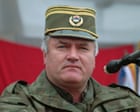
Ratko Mladić, the former Bosnian Serb general known as the "Butcher of Bosnia," has died in a hospital in The Hague while serving a life sentence for genocide and war crimes committed during the Bosnian war of the 1990s. He was in his early 80s.
The UN International Residual Mechanism for Criminal Tribunals confirmed Mladić’s death, stating that he passed away while hospitalized following a period of declining health, including a series of strokes and a heart attack. Judge Graciela Gatti Santana has ordered a full inquiry into the circumstances surrounding his death, which came after a UN doctor recently indicated the former commander was near the end of his life.
Mladić was convicted by an international tribunal in 2017 for his role as the main military architect of ethnic cleansing during the conflict that claimed over 100,000 lives and displaced more than one million people. Most notably, he orchestrated the July 1995 Srebrenica massacre, in which Bosnian Serb forces executed at least 8,000 Bosnian Muslim men and boys in a UN-designated safe area. The slaughter is recognized as the worst massacre in Europe since the Second World War.
In addition to Srebrenica, Mladić commanded the siege of Bosnia's capital, Sarajevo, where daily bombardment by artillery, tanks, and snipers resulted in the deaths of 10,000 civilians. The UN tribunal found that Mladić acted as part of a joint criminal conspiracy alongside Bosnian Serb political leader Radovan Karadžić and former Serbian President Slobodan Milošević. Their objective was the forcible expulsion of non-Serbs to carve out a greater Serbian state.
Throughout his trial, Mladić remained unrepentant, refusing to recognize the authority of the court and shouting at judges during his sentencing that the proceedings were based on lies.
Born in 1943 in the Bosnian village of Bozinovici, Mladić was an officer in the communist Yugoslav People's Army before taking command of the Bosnian Serb army in 1992. His forces rapidly seized control of 70 percent of the country, razing towns and villages while UN peacekeeping forces were instructed not to intervene.
Following the end of the war in 1995, Mladić evaded capture for 16 years, protected by nationalist allies in Serbia. He was arrested in 2011 and extradited to The Hague to face trial.
Reactions to his death highlighted the ongoing trauma in the region. Munira Subašić of the Mothers of Srebrenica organization stated that while a major war criminal of the Balkans had died, victims' families continue to suffer as many Bosnian Serbs still deny Mladić's crimes and view him as a hero. Elizabeth Evenson, international justice director at Human Rights Watch, said Mladić’s death serves as a reminder of the vital, enduring need for justice, truth, and reparations in the Western Balkans.
Comments (0)
No comments yet — be the first to weigh in.

Iran-US Tensions Escalate Amid Hormuz Strait Crisis – Live Updates
Iranian President Pezeshkian seeks diplomatic solutions with global leaders at SCO summit in Kyrgyzstan amid rising US tensions over Hormuz Strait.

Search continues for 18 passengers after ferry capsized in northern Cyprus
Search and rescue operations are continuing off the coast of Kyrenia in northern Cyprus after a passenger ferry capsized and sank on Sunday, leaving at least ei...

Swiss Man Arrested After Deadly Rave Shooting Kills Italian Woman
A 43-year-old Swiss suspect has been arrested after a shooting at a techno rave in Aarau left one woman dead and several others injured. Authorities continue their investigation.

England attack's 2005 comparisons fair - Trescothick
England’s new pace attack is drawing comparisons to the legendary Ashes-winning quartet of 2005, according to interim head coach Marcus Trescothick. The current...

Mumbai’s Vile Parle Cypher is giving unheard rappers a voice

Enrich and Ultimo impress

Karnataka CM Signals Review of 5% Park Land Amendment Bill in Assembly

