Real Estate Newsletter Articles this Week:Housing Starts Decreased to 1.246 million Annual Rate

Housing starts fall to 1.246 million annual rate in October
WASHINGTON – October housing starts declined to a seasonally adjusted annual rate of 1.246 million units, according to data released Friday by the U.S. Census Bureau and the Department of Housing and Urban Development.
The October figure represents an 8.4 percent drop from the revised September estimate of 1.360 million units and is 8.8 percent below the October 2024 annual rate of 1.367 million units. Analysts had expected starts to come in at around 1.400 million, based on a Bloomberg survey of economists.
Permits for future construction also fell, dropping 4.4 percent from September to an annual rate of 1.396 million. This marks the first time since March 2023 that both starts and permits have fallen below their year-ago levels.
The decline was broad-based across most regions. The Northeast saw a 14.3 percent month-over-month decrease, the Midwest fell 11.3 percent, and the South dropped 4.3 percent. The West was the only region to post an increase, with starts rising 1.2 percent from September.
Single-family starts, which account for the majority of new residential construction, fell 7.0 percent to 930,000 units, while multifamily starts dropped 11.5 percent to 316,000 units.
“Today’s report confirms that housing activity is cooling after a brief rebound in late summer,” said Lawrence Yun, chief economist for the National Association of Realtors. “Higher mortgage rates and elevated construction costs continue to weigh on builders’ confidence.”
The National Association of Home Builders/Wells Fargo Housing Market Index, released Monday, showed builder sentiment slipping to 41 in November, its lowest level since June 2023. Any reading below 50 indicates a majority of builders view conditions as poor.
Housing economists caution that the October decline may not yet reflect the full impact of recent mortgage rate movements. The average 30-year fixed mortgage rate, which topped 7.8 percent in late October, has since eased to around 7.2 percent, according to Freddie Mac’s weekly survey.
Despite the recent pullback, total housing starts for the first ten months of 2025 remain 2.3 percent above the same period last year. The year-to-date increase has been driven largely by multifamily construction in major metropolitan areas.
The Federal Reserve is closely monitoring housing indicators as part of its broader assessment of economic conditions. In its latest policy statement, the central bank noted that “residential investment has softened further,” a phrasing that has appeared in recent communications.
Market analysts suggest that stabilization in mortgage rates and potential policy changes could help revive construction activity in the coming months. For now, however, the October data points to a continued slowdown in residential building.
Comments (0)
No comments yet — be the first to weigh in.

Free School Uniform Swap Shop Saves Welsh Families £50m Annually
A Cardiff father's school uniform swap shop initiative has grown to 200 schools, helping Welsh families save £50m yearly while promoting sustainability and reducing clothing waste.

Poland, US Explore Permanent Military Bases: Defense Talks Underway
Poland and the US are discussing permanent American military bases in Poland, focusing on defense capabilities rather than troop numbers. Nuclear warheads are not part of the plans.

Taxpayers Lost $65B to Obamacare Fraud in 2024; Feds Crack Down
A Paragon Health Institute report reveals $65 billion in taxpayer losses due to Obamacare and Medicaid fraud in 2024, with improper enrollments rising in 2025.
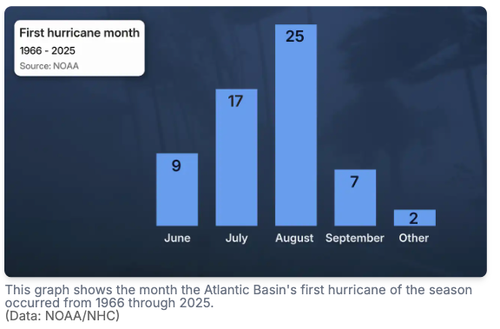
El Niño Delaying 2026 Atlantic Hurricane Season as Dolly Nears Florida
El Niño's wind shear suppresses 2026 Atlantic hurricane activity, delaying first hurricane as Tropical Storm Dolly's remnants approach Florida and the Caribbean.

Mumbai’s Vile Parle Cypher is giving unheard rappers a voice

Enrich and Ultimo impress

Karnataka CM Signals Review of 5% Park Land Amendment Bill in Assembly

