Rwandans love their milk bars. The health minister wishes they'd drink a little less
Rwanda's Health Minister Urges Moderation in Milk Consumption Amid Cultural Tradition
KIGALI, Rwanda — Milk bars have become a staple of daily life in Rwanda’s capital, Kigali, offering a cultural and social hub where residents gather to drink fresh, cold milk. However, health officials are now encouraging moderation in consumption, citing concerns over rising chronic diseases linked to excessive dairy intake.
The popularity of milk bars emerged as urbanization grew over the past decade. Many Rwandans moving from rural areas to cities lost direct access to dairy cows, leading to the establishment of these bars as a source of fresh milk. Today, they remain a beloved part of Rwandan culture, with cows holding deep symbolic significance as providers of prosperity.
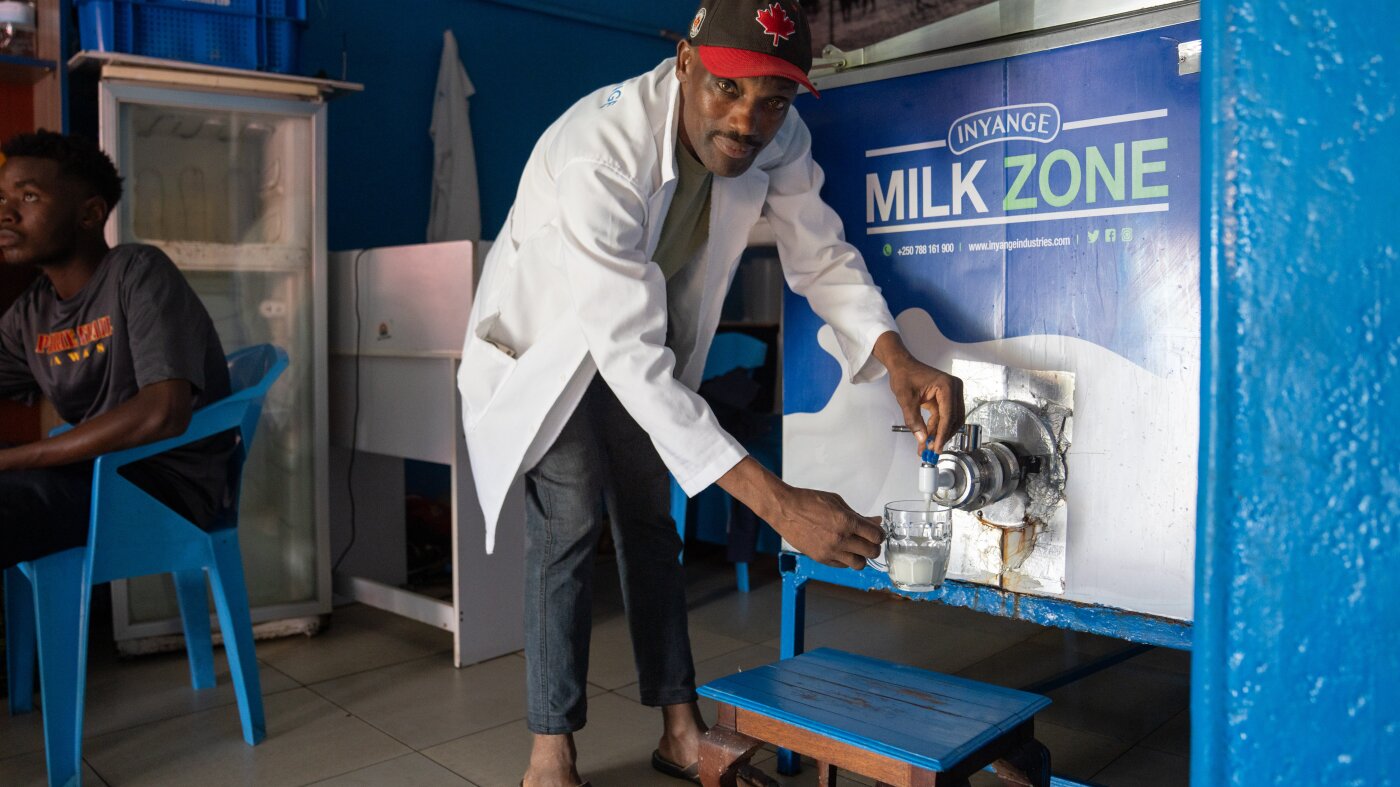
At Moses Sansiman’s Milk Zone in Kigali’s Nyamirambo sector, customers fill the street, sipping from large glass mugs. Sansiman, 52, serves pasteurized whole milk from a refrigerated tank, though some bars offer flavored or fermented varieties. Many Rwandans prefer fresh milk over packaged alternatives, viewing it as sacred. The tradition of drinking milk while seated reflects the respect accorded to cows.
Historically, cows were a measure of wealth, and well-wishing phrases often include blessings of cattle. Customers like JP Sagahutu, who drinks about four 8-ounce glasses daily, describe milk as essential to their diet, believing it to be more nutritious than water or other beverages.
However, Rwanda’s Health Minister, Dr. Sabin Nsanzimana, warns that excessive milk consumption is contributing to health challenges in urban areas. While milk provides protein and calcium, overconsumption has been linked to obesity, cardiovascular disease, and other chronic conditions. Nsanzimana recommends limiting intake to about one cup per day, emphasizing the importance of water instead.
Changing long-held cultural habits has proven difficult. Many Rwandans remain skeptical of reducing milk consumption, viewing it as a vital part of their diet. Health officials continue to promote balanced nutrition, but shifting public perception remains a challenge.
Milk bars, meanwhile, remain a fixture of Rwandan social life, blending tradition with modern urban living.
Comments (0)
No comments yet — be the first to weigh in.

Iran-US Tensions Escalate Amid Hormuz Strait Crisis – Live Updates
Iranian President Pezeshkian seeks diplomatic solutions with global leaders at SCO summit in Kyrgyzstan amid rising US tensions over Hormuz Strait.

Search continues for 18 passengers after ferry capsized in northern Cyprus
Search and rescue operations are continuing off the coast of Kyrenia in northern Cyprus after a passenger ferry capsized and sank on Sunday, leaving at least ei...

Swiss Man Arrested After Deadly Rave Shooting Kills Italian Woman
A 43-year-old Swiss suspect has been arrested after a shooting at a techno rave in Aarau left one woman dead and several others injured. Authorities continue their investigation.

England attack's 2005 comparisons fair - Trescothick
England’s new pace attack is drawing comparisons to the legendary Ashes-winning quartet of 2005, according to interim head coach Marcus Trescothick. The current...

Mumbai’s Vile Parle Cypher is giving unheard rappers a voice

Enrich and Ultimo impress

Karnataka CM Signals Review of 5% Park Land Amendment Bill in Assembly

