Search is on for at least 33 Britons missing after flash floods in Nepal and Tibet
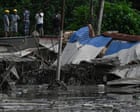
KATHMANDU, Nepal — Rescue operations are underway in Nepal and Tibet to locate nearly 1,400 missing people, including at least 33 British citizens, after catastrophic flash floods triggered by a glacier collapse devastated the border region, killing more than 380 people.
Nepal police reported that 389 bodies have been recovered, while 466 people have been rescued or treated for injuries. Nepal’s national disaster risk reduction and management authority confirmed that 517 foreign nationals remain unaccounted for. Across the border in Tibet, Chinese state broadcaster CCTV reported at least three deaths, while the Xinhua news agency said 558 people are missing.
The flooding struck the mountainous Rasuwa region, a popular route for international trekkers and pilgrims travelling to sacred sites such as Mount Kailash and Lake Mansarovar. Bishal Nath Upreti, president of the Nepal Centre for Disaster Management, described the flood as a sky-driven tsunami, estimating that 20 million cubic metres of excess water swept through valleys, razing entire villages along a 40 to 50 kilometre stretch. Experts described the event as one of Nepal's largest natural disasters since the 2015 earthquake.
Multiple travel companies reported losing contact with tour groups crossing between Nepal and Tibet. Operators including Kailash Journeys, Alpine Eco Trek, the Trekkers’ Society, Fishtail Tours, and Himalayan Glacier US confirmed missing guests. Alpine Eco Trek reported that a 13-year-old girl and two Irish citizens were among those trapped alongside British travelers. Other missing Britons include a senior hospital nurse from Kent, a care agency director from London, a Hindu priest, and several families on pilgrimage. Distressed relatives reported being unable to reach their loved ones due to destroyed infrastructure and collapsed power lines.
The UK government pledged an initial 5 million pounds in financial aid and offered emergency responders to assist Nepal’s disaster response efforts. Consular support teams have been deployed to the region to provide 24-hour assistance to affected citizens and their families. UK Minister Pat McFadden stated that the full picture remains unclear, with search efforts complicated by damaged communications and terrain.
King Charles expressed profound sympathy to those affected, highlighting the strong personal ties many in the UK have with the region. The Prince and Princess of Wales also expressed shock and offered condolences.
The UK Foreign Office advised British nationals in Nepal to follow local authority instructions, exercise caution, and contact emergency consular phone lines for assistance as search and rescue teams continue working in the affected mountain zones.
Comments (0)
No comments yet — be the first to weigh in.

Iran-US Tensions Escalate Amid Hormuz Strait Crisis – Live Updates
Iranian President Pezeshkian seeks diplomatic solutions with global leaders at SCO summit in Kyrgyzstan amid rising US tensions over Hormuz Strait.

Search continues for 18 passengers after ferry capsized in northern Cyprus
Search and rescue operations are continuing off the coast of Kyrenia in northern Cyprus after a passenger ferry capsized and sank on Sunday, leaving at least ei...

Swiss Man Arrested After Deadly Rave Shooting Kills Italian Woman
A 43-year-old Swiss suspect has been arrested after a shooting at a techno rave in Aarau left one woman dead and several others injured. Authorities continue their investigation.

England attack's 2005 comparisons fair - Trescothick
England’s new pace attack is drawing comparisons to the legendary Ashes-winning quartet of 2005, according to interim head coach Marcus Trescothick. The current...

Mumbai’s Vile Parle Cypher is giving unheard rappers a voice

Enrich and Ultimo impress

Karnataka CM Signals Review of 5% Park Land Amendment Bill in Assembly

