Senate Urged to Reject KOSA Over Privacy and Free Speech Risks
The Senate Commerce Committee advances KOSA, which critics warn will expand age verification, undermine privacy, and incentivize censorship of lawful speech for all users.
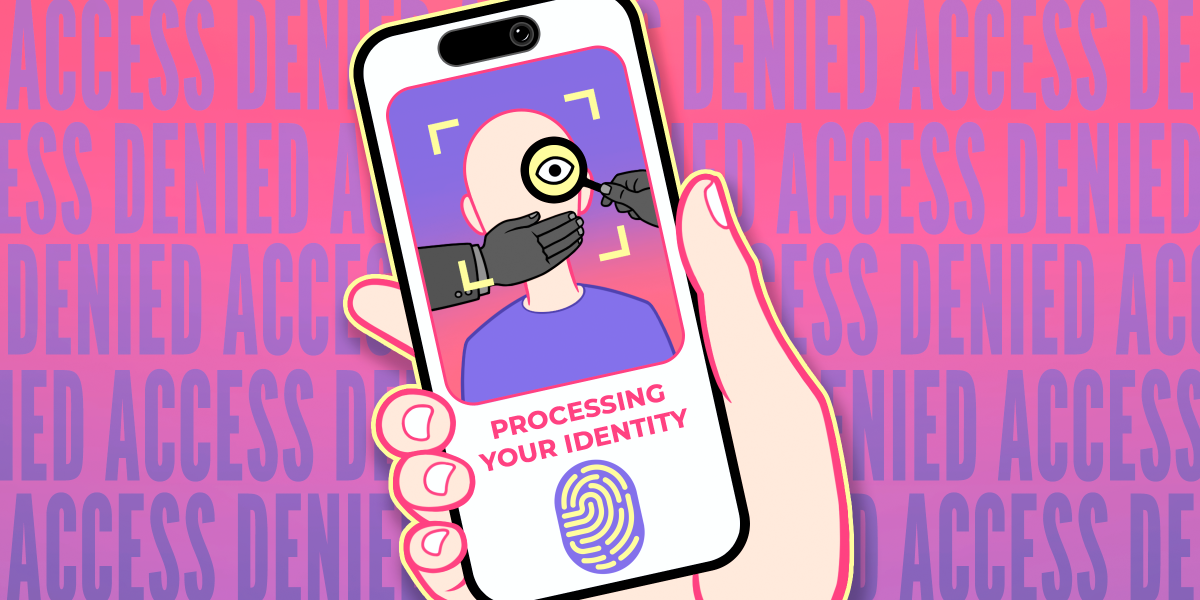
The Senate Commerce Committee is set to reconsider the Kids Online Safety Act (KOSA), a bill critics say would expand age verification requirements while undermining privacy for all users. The legislation, which advanced out of committee on August 5, 2026, remains under consideration by the full Senate. Alongside related proposals such as the SCREEN Act, the CHATBOT Act, and the Youth AI Privacy Act, KOSA would push online platforms to collect more personal data from users and restrict lawful speech under the guise of protecting minors.
KOSA’s core provision imposes a “duty of care” on online services, requiring them to prevent exposure to certain material deemed harmful to young people. However, enforcement depends on platforms accurately identifying minor users—leading to increased use of age verification or estimation systems. These systems often rely on government ID checks, facial analysis, or financial data collection, all of which involve the processing of highly sensitive personal information. Such data not only increases privacy risks but also creates new targets for breaches, misuse, or government demands.
The bill’s reliance on state attorneys general for enforcement further raises concerns. Unlike parental or community-based approaches, this model empowers elected officials—rather than families—to decide what content is appropriate for teens. The broad “duty of care” language in KOSA creates legal pressure for platforms to remove or restrict lawful speech preemptively, particularly content that could later be linked to claims of harm such as anxiety, eating disorders, or substance use. In practice, this may lead platforms to censor entire forums or block access for minors, even when those spaces provide critical support and recovery resources.
Critics argue that KOSA’s approach undermines First Amendment rights by shifting content moderation decisions from users and families to government officials. The legislation’s structure encourages platforms to over-censor rather than risk liability, potentially silencing communities that rely on open discussion for help. This includes forums addressing gambling, drug addiction, and mental health—areas where peer support plays a vital role.
Advocacy groups, including the Electronic Frontier Foundation (EFF), continue to oppose KOSA, urging Congress to reject the bill in favor of comprehensive privacy legislation that protects all users without sacrificing free expression or security. Privacy advocates emphasize that minors—and adults—deserve meaningful protections online, but not at the cost of expanded surveillance and censorship.
#KidsOnlineSafetyAct #Privacy #OnlineSafety #FreeSpeech #SenateCommerceCommittee #DigitalRights #Censorship #AgeVerification
Comments (0)
No comments yet — be the first to weigh in.

Energy biz SSE smacked around in court by a guy and AI
An Oxford doctoral student has defeated British energy provider SSE Energy Supply in court after utilizing artificial intelligence models to build his legal def...
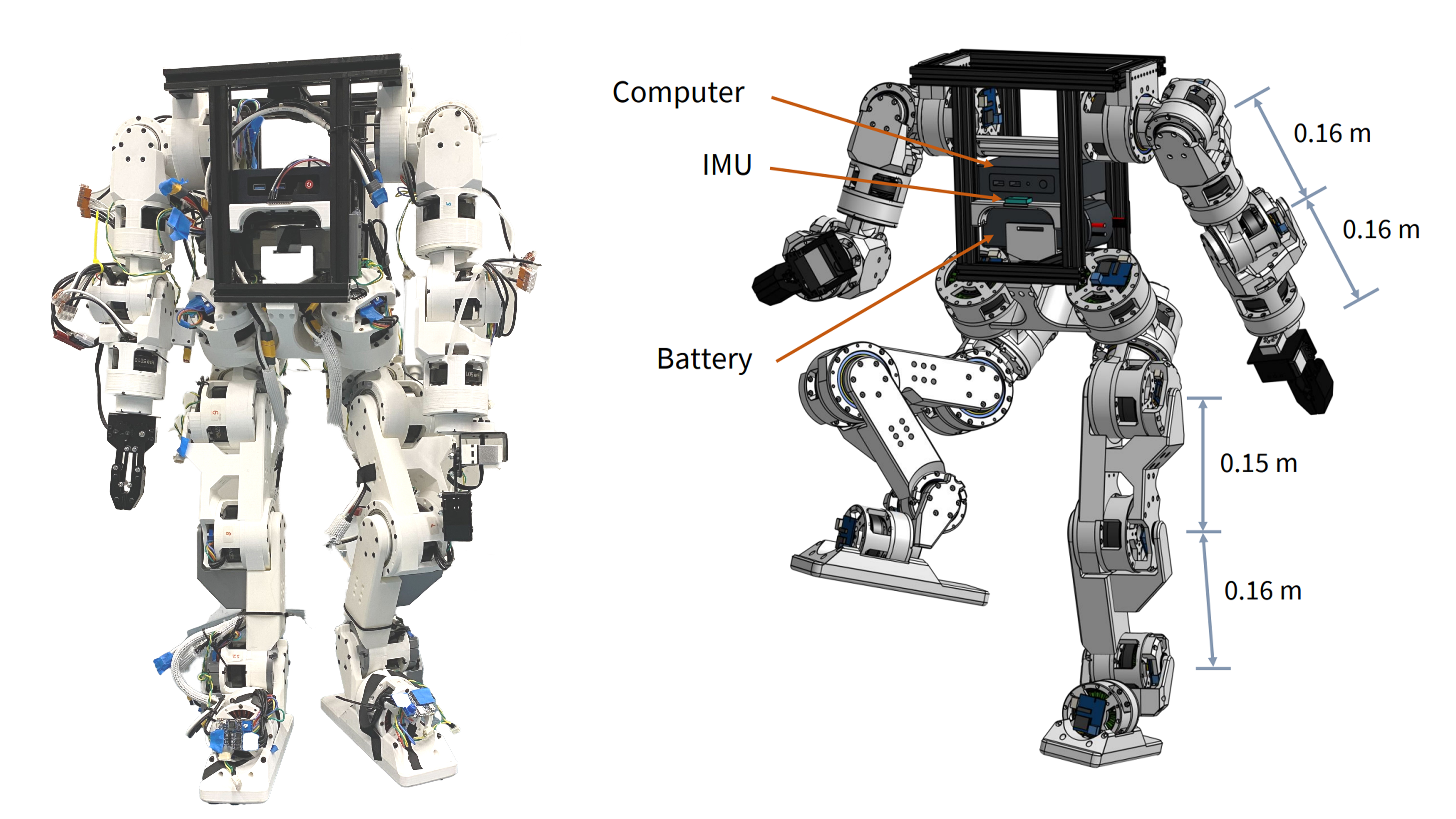
Berkeley Humanoid Lite: Affordable Open-Source Robot with DIY Actuators
Explore the Berkeley Humanoid Lite, a budget-friendly open-source robot featuring 3D-printed actuators under $5,000 USD. Learn how its modular design benefits DIY projects.

Woodstove Safety Monitor: Oru System Alerts Users to Temperature Fluctuations
Discover how the Oru woodstove assistant helps prevent dangerous chimney fires by monitoring exhaust gas temperatures and alerting users to temperature changes.
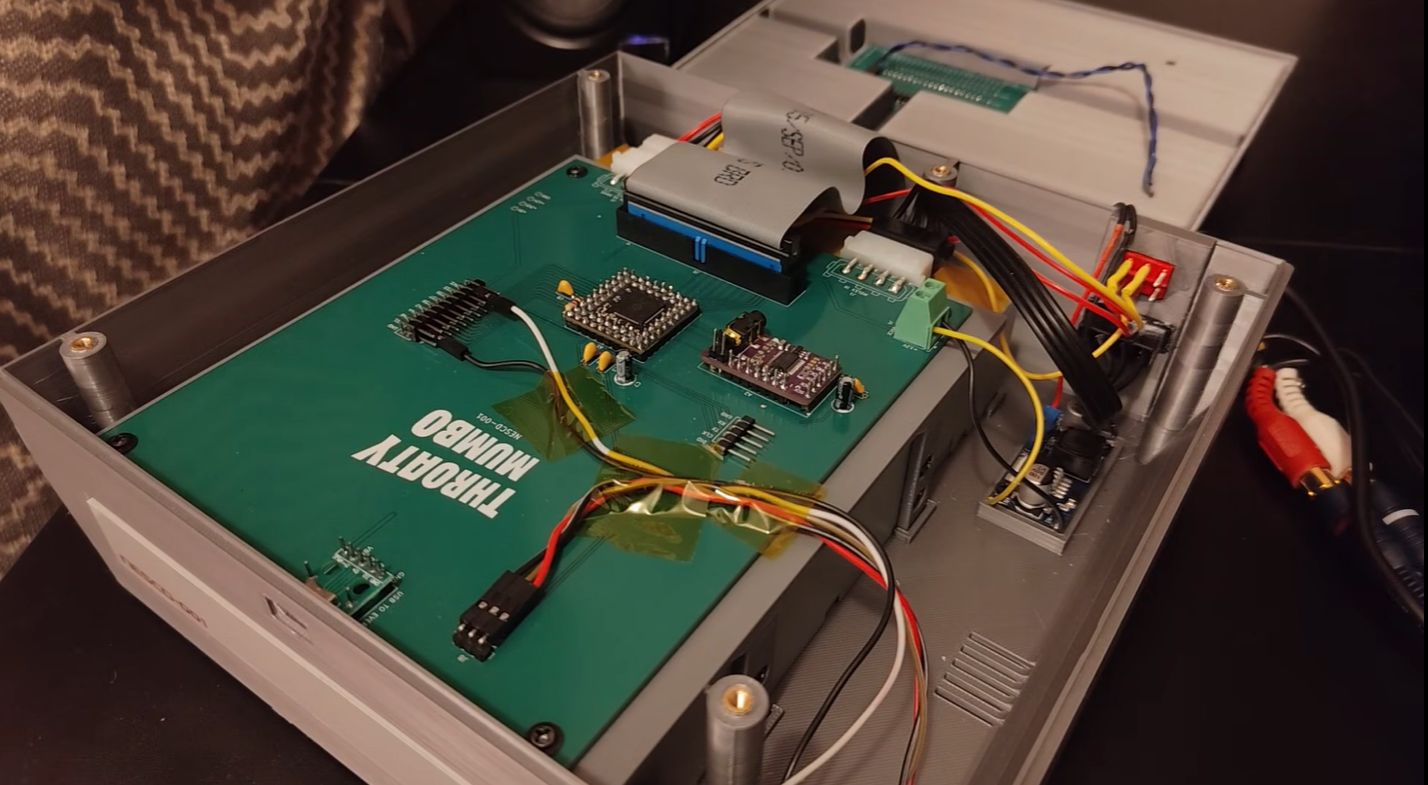
NES CD Add-On Revives 1980s Gaming with Optical Storage
Explore how a DIY project integrates a CD drive with the NES using an RP2350B microcontroller and Everdrive N8 Pro for expanded storage and audio playback.

Mumbai’s Vile Parle Cypher is giving unheard rappers a voice

Enrich and Ultimo impress

Karnataka CM Signals Review of 5% Park Land Amendment Bill in Assembly

