Sony's Shift to Digital Games Erodes Player Ownership Rights
Sony's move to digital-only games mirrors industry trends, eroding ownership rights and pushing consumers toward restrictive subscriptions. Learn how this affects gamers and what legal reforms are needed.

Sony is taking another step away from physical media by phasing out disc-based games for its PlayStation consoles, raising concerns among gamers and digital rights advocates about the future of game ownership. The move follows a broader industry trend toward digital-only distribution, which critics say erodes consumer rights and shifts control from players to corporations.
Industry watchers note that this transition mirrors similar shifts in film, television, and music, where convenience often came at the cost of ownership. Once consumers rely solely on digital downloads, they may find themselves locked into subscription models, forced to pay recurring fees for access rather than owning a product outright. For gamers, the shift is especially problematic given the large file sizes of modern titles, which can take days to download on high-speed internet—and even longer on slower connections.
Physical discs have long served as a practical alternative, allowing players to avoid data caps and high storage demands. They also carry legal protections under the "first sale doctrine," which permits resale, sharing, or modification of purchased media. Digital copies, by contrast, are typically bound by restrictive end-user license agreements (EULAs) and digital rights management (DRM) systems that limit how games can be used.
DRM has become a flashpoint in gaming, as companies increasingly enforce online checks for single-player games and impose performance-hindering modifications. Under U.S. law, particularly Section 1201 of the Digital Millennium Copyright Act (DMCA), bypassing DRM for any reason—even to repair or modify a legally purchased game—can result in legal action. This provision has faced criticism for stifling innovation, harming modding communities, and exposing users to unnecessary restrictions.
The shift to digital-only sales also threatens the second-hand market, eliminating opportunities for gamers to buy used games at lower prices or resell their own copies. Without physical media, publishers and distributors gain nearly total control over access, leaving consumers vulnerable to account suspensions, payment errors, or sudden removal of titles from online storefronts.
Advocacy groups like the Electronic Frontier Foundation (EFF) argue that policymakers must update consumer protections to reflect the digital age. Proposed reforms include extending the first sale doctrine to digital purchases and clarifying that fair use rights are not violated by DRM circumvention. State-level initiatives, such as California’s AB 1921, aim to increase transparency around digital purchases and preserve access to discontinued games—though the gaming industry has opposed such measures.
As Sony and other companies move toward a digital-first model, gamers and legal experts are calling for stronger safeguards to ensure that ownership rights keep pace with technological change.
#GamingRights #DigitalOwnership #PlayStation #EFF #DRM #DMCA #VideoGames #ConsumerProtection
Comments (0)
No comments yet — be the first to weigh in.

Energy biz SSE smacked around in court by a guy and AI
An Oxford doctoral student has defeated British energy provider SSE Energy Supply in court after utilizing artificial intelligence models to build his legal def...
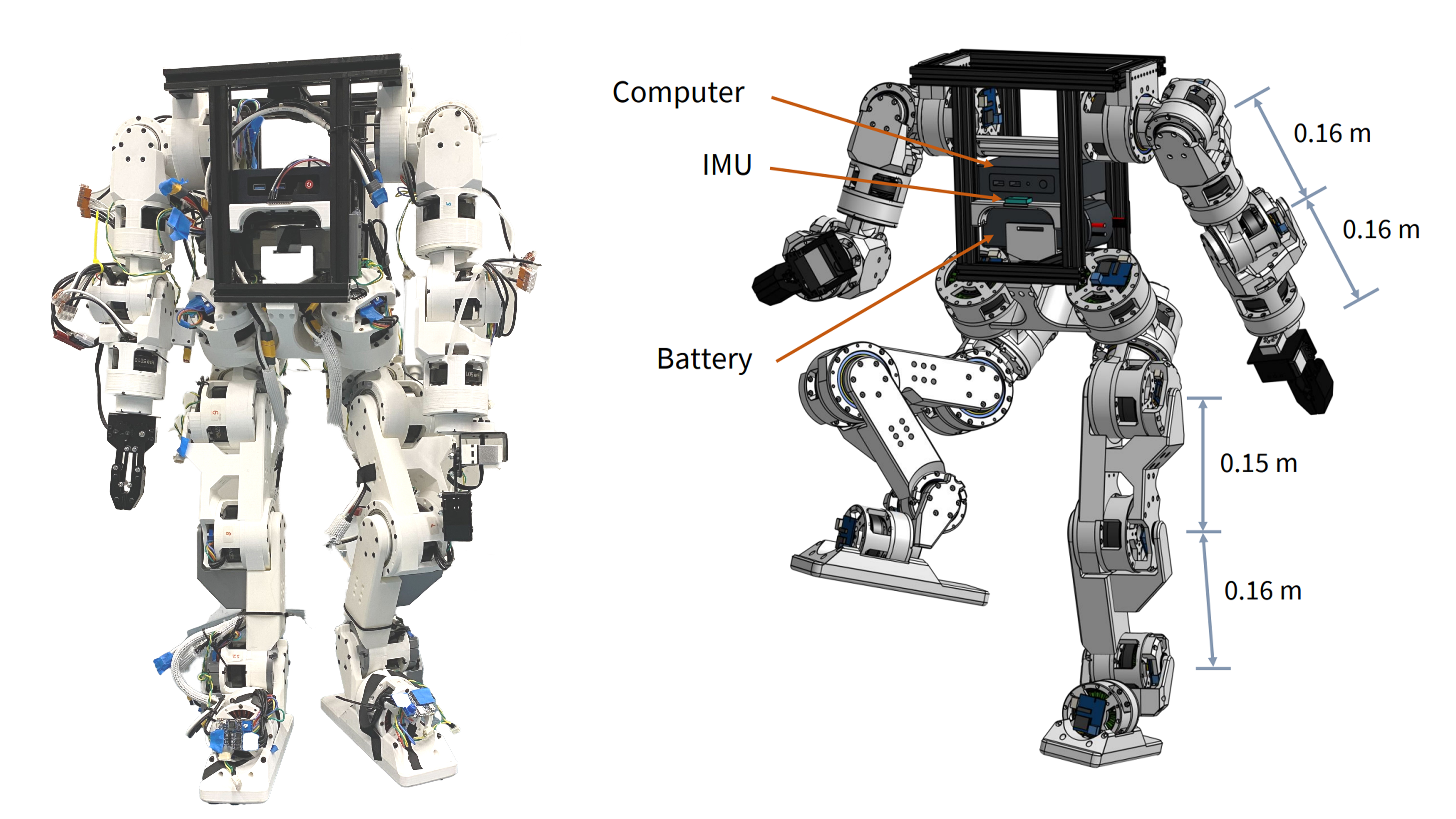
Berkeley Humanoid Lite: Affordable Open-Source Robot with DIY Actuators
Explore the Berkeley Humanoid Lite, a budget-friendly open-source robot featuring 3D-printed actuators under $5,000 USD. Learn how its modular design benefits DIY projects.

Woodstove Safety Monitor: Oru System Alerts Users to Temperature Fluctuations
Discover how the Oru woodstove assistant helps prevent dangerous chimney fires by monitoring exhaust gas temperatures and alerting users to temperature changes.
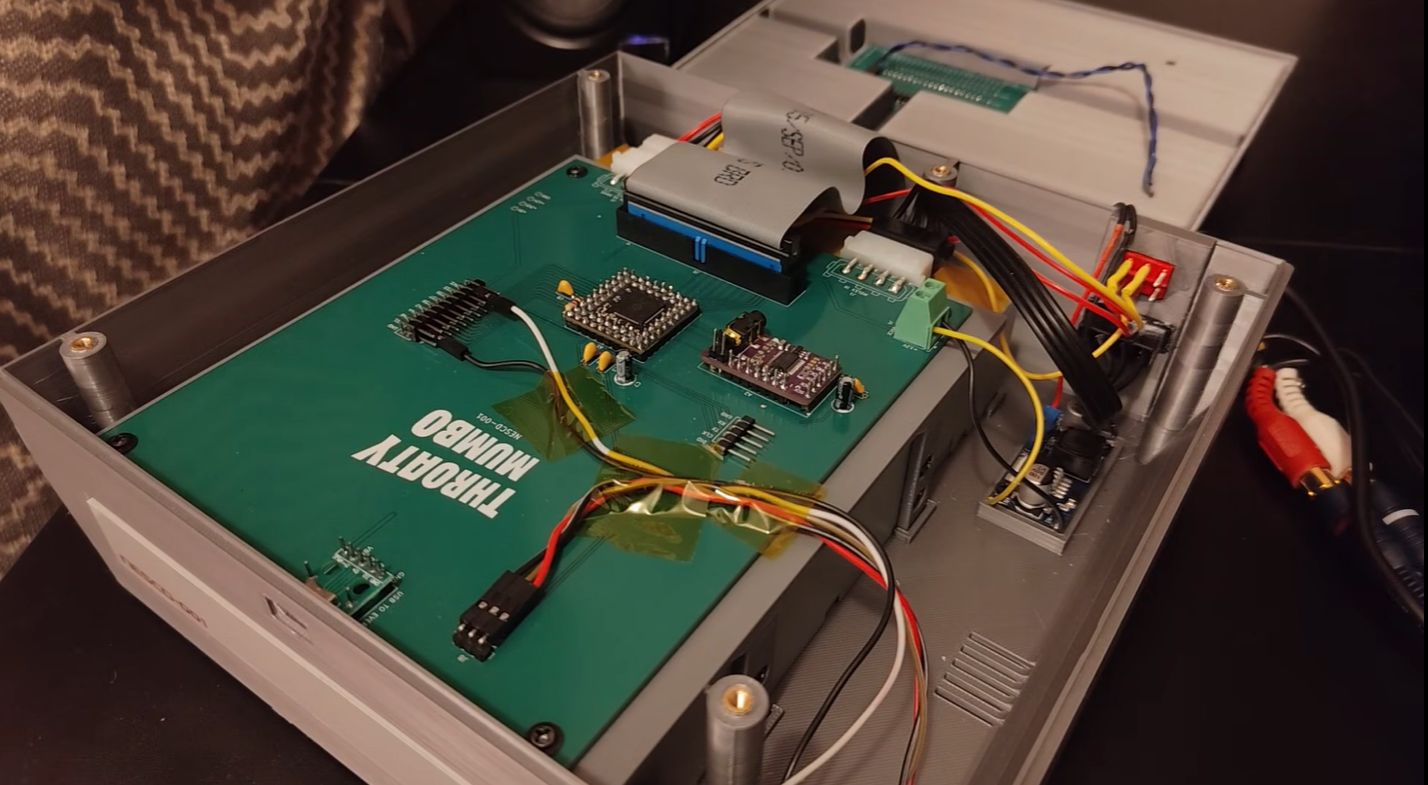
NES CD Add-On Revives 1980s Gaming with Optical Storage
Explore how a DIY project integrates a CD drive with the NES using an RP2350B microcontroller and Everdrive N8 Pro for expanded storage and audio playback.

Mumbai’s Vile Parle Cypher is giving unheard rappers a voice

Enrich and Ultimo impress

Karnataka CM Signals Review of 5% Park Land Amendment Bill in Assembly

