South Korea's 'Dopamine Sites' Offer Shopping Thrills Without Purchases
Fake online shopping sites in South Korea let users experience the ritual of retail therapy without financial cost, reflecting a shift from ownership to anticipation.

A growing digital trend in South Korea allows users to experience the full online shopping process without any financial commitment or delivery of goods. Websites such as Dopamine Shop and FoodNeverComes simulate purchases by enabling users to browse products, read reviews, add items to a cart, enter shipping details, place an order, and even track a package that never arrives.
While these platforms may seem like a novelty, experts suggest they reflect broader shifts in consumer behavior, particularly the separation of shopping from purchasing. South Korea's advanced e-commerce market has provided fertile ground for such services, but similar behaviors—such as window-shopping, cart abandonment, and browsing without buying—are observed globally. Shriram Venkatraman, an assistant professor at the Danish Institute for Advanced Study who studies digital consumption, noted that what distinguishes the current trend is not the behavior itself but its formalization into a dedicated digital service.
According to consumer anthropologists, the appeal of these sites lies in the ritualistic pleasure of shopping rather than the act of ownership. "People are prioritizing anticipation, choice, and curation over ownership, reaping the psychological rewards of shopping without the financial consequences," said Helen Jambunathan, consumer anthropologist and director of insight at Canvas8.
Venkatraman drew a parallel between dopamine shopping and the common practice of leaving items in online carts. Users often do this to gather information, wait for discounts, or simply for entertainment. In this way, dopamine sites amplify an existing behavior, making the process itself the primary experience rather than a means to an end.
Though cultural contexts influence the types of products people browse, Jambunathan emphasized that the emotional satisfaction derived from shopping is universal. "The concept of retail therapy has been around for a long time," she said. "These sites reveal shopping as an emotional experience rather than just a transaction."
Despite variations in consumer motivation across regions, Jambunathan noted that most online shopping remains driven by necessity and convenience. Venkatraman added that individual circumstances often matter more than nationality in determining shopping motives. "The same person might shop out of necessity in the morning, out of boredom at lunch, aspirationally around payday, and perhaps even out of loneliness at midnight," he said.
The broader context—such as affordability, cultural desirability, social influences, household dynamics, and payment systems—varies by country, but the underlying behaviors are increasingly recognized as part of modern digital consumption.
Comments (0)
No comments yet — be the first to weigh in.

Energy biz SSE smacked around in court by a guy and AI
An Oxford doctoral student has defeated British energy provider SSE Energy Supply in court after utilizing artificial intelligence models to build his legal def...
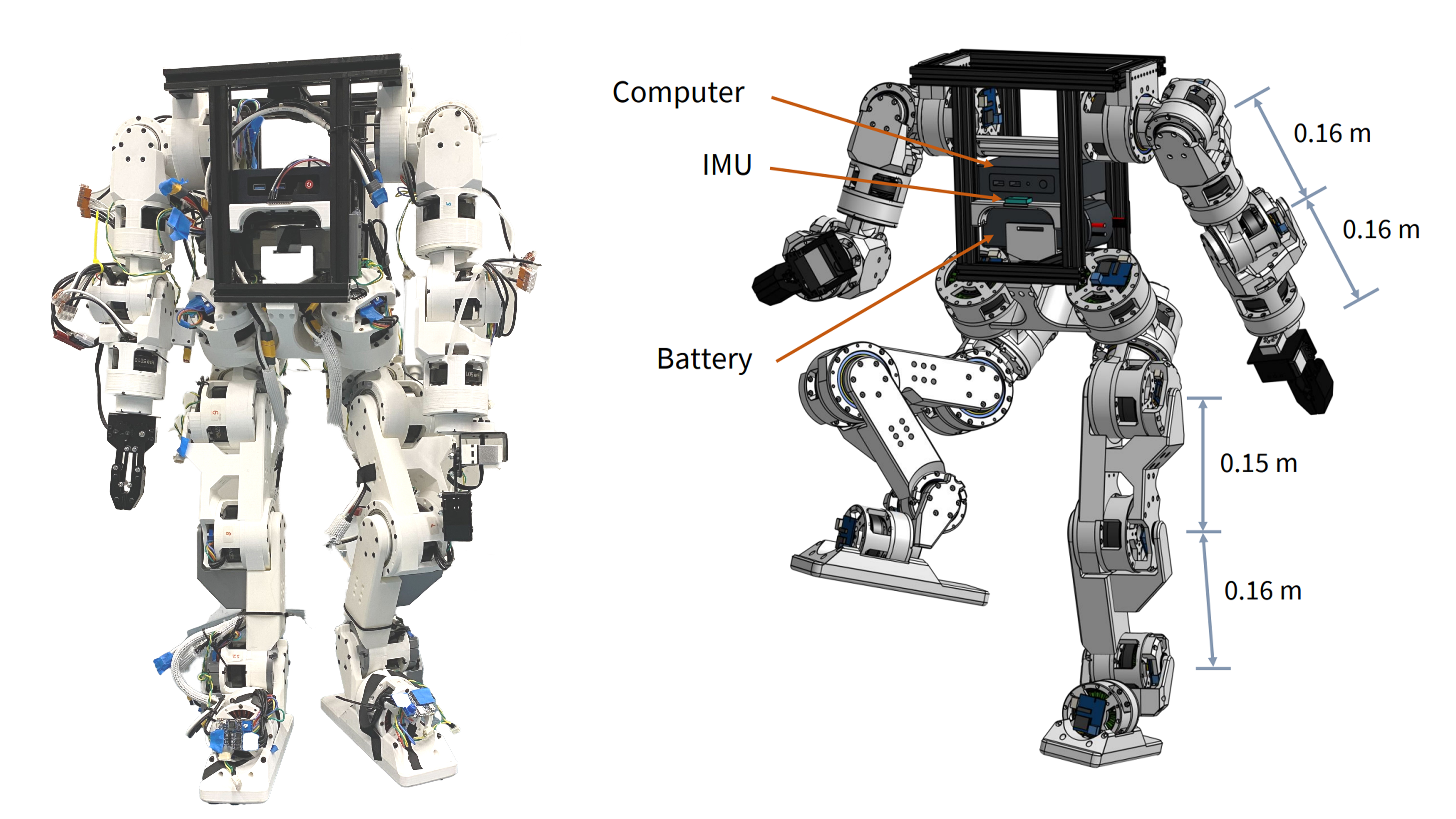
Berkeley Humanoid Lite: Affordable Open-Source Robot with DIY Actuators
Explore the Berkeley Humanoid Lite, a budget-friendly open-source robot featuring 3D-printed actuators under $5,000 USD. Learn how its modular design benefits DIY projects.

Woodstove Safety Monitor: Oru System Alerts Users to Temperature Fluctuations
Discover how the Oru woodstove assistant helps prevent dangerous chimney fires by monitoring exhaust gas temperatures and alerting users to temperature changes.
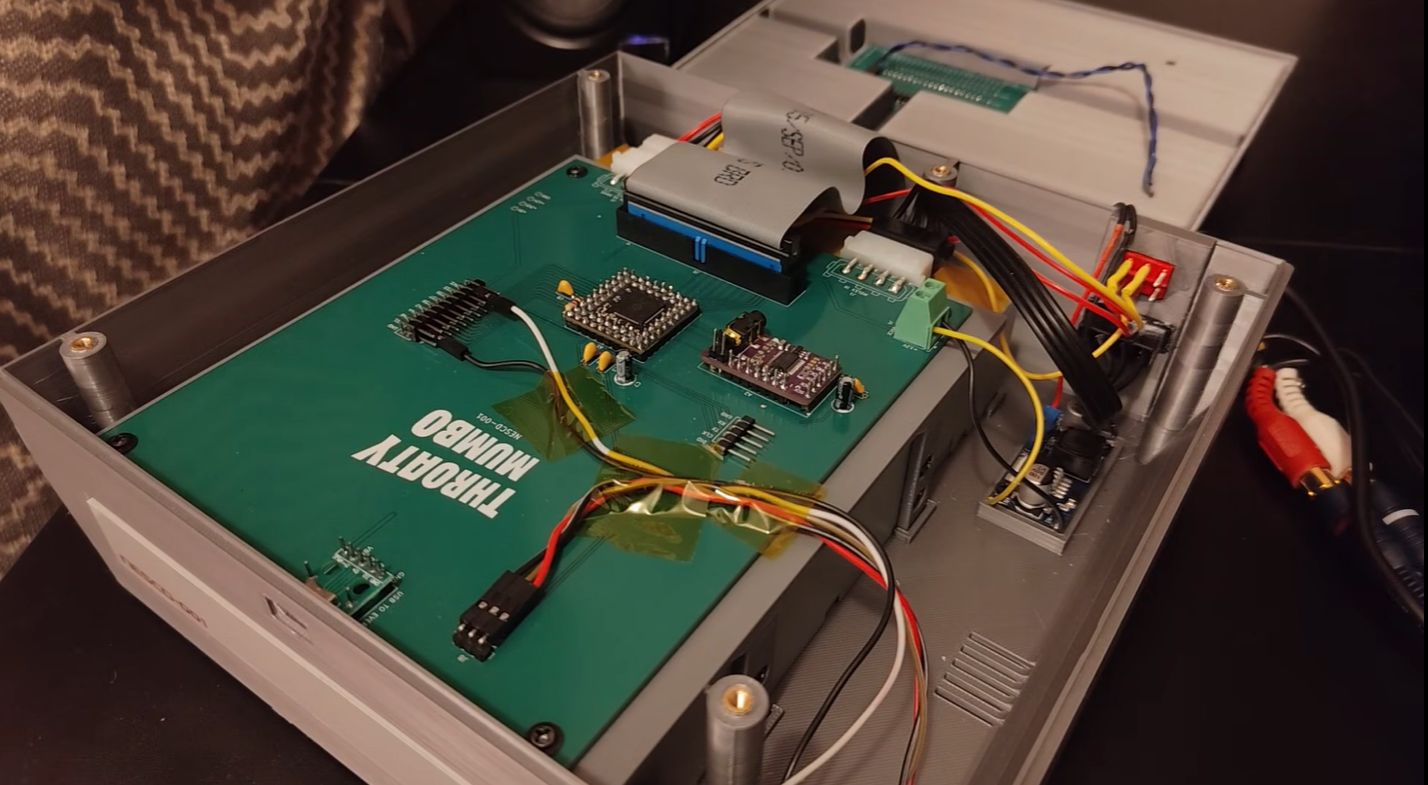
NES CD Add-On Revives 1980s Gaming with Optical Storage
Explore how a DIY project integrates a CD drive with the NES using an RP2350B microcontroller and Everdrive N8 Pro for expanded storage and audio playback.

Mumbai’s Vile Parle Cypher is giving unheard rappers a voice

Enrich and Ultimo impress

Karnataka CM Signals Review of 5% Park Land Amendment Bill in Assembly

