The conscience files
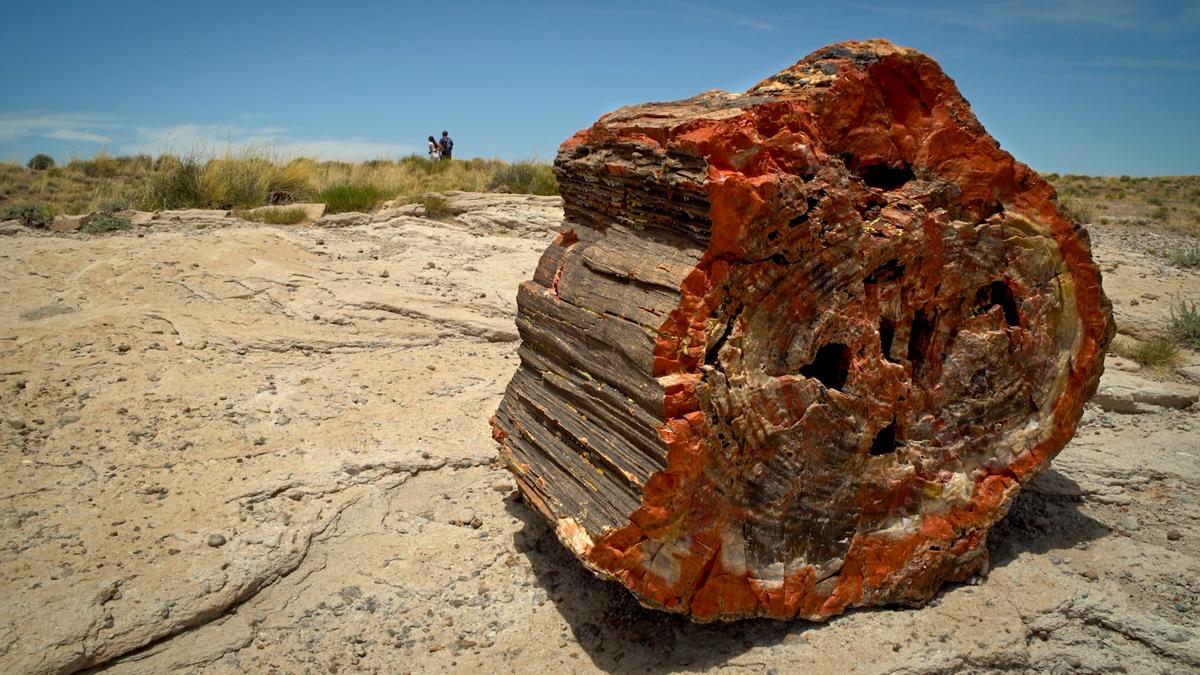
The Petrified Forest National Park in Arizona, named for its extensive deposits of petrified wood dating back approximately 225 million years, attracts more than half a million visitors annually. While most comply with the U.S. National Park Service’s directive to “take only photographs, leave only footprints,” a minority do not—sometimes to their later regret.
A new short documentary, *The Conscience Files*, examines this phenomenon through a collection of letters mailed anonymously to the park by visitors who stole rocks and later sought to return them with explanations. According to the film’s director, Brian Bolster, these letters—some lighthearted, others deeply sorrowful—reveal a pattern of guilt and a belief in a widely circulated local legend: that those who remove rocks from the park face supernatural consequences.
The film draws from the park’s archive of returned items and accompanying letters, in which individuals attribute misfortunes—such as the death of a loved one, a family illness, or personal hardship—to a “curse” they believe accompanies theft. While the claims vary in tone and gravity, they share a common impulse: the need to rationalize misfortune by assigning it a cause, and to seek atonement through restitution.
The letters, read aloud in the film, are paired with sweeping visuals of the park’s rugged landscapes, ancient fossilized logs, and quiet desert vistas. The juxtaposition underscores not only the natural beauty of the site but also the emotional weight carried by the writers. Their words reflect a human tendency to seek meaning in suffering, often attributing unrelated events to the supernatural.
Park officials have long dismissed the curse as folklore, and no evidence supports a causal link between rock theft and misfortune. Yet the letters persist, suggesting that belief in the curse serves a psychological function—allowing individuals to process guilt and restore a sense of moral order.
*The Conscience Files* presents these confessions not as proof of a supernatural force, but as a window into human behavior: how people grapple with regret, assign blame, and attempt to reconcile their actions with their values. The film suggests that the real mystery may not be the curse itself, but why so many feel compelled to believe in it—and to write about it years later.
While the park continues to discourage theft and encourage preservation, the documentary highlights a quieter consequence of such actions: the enduring burden of conscience carried by those who take what does not belong to them.
Comments (0)
No comments yet — be the first to weigh in.

NASA Launches Nancy Grace Roman Telescope to Unlock Universe's Mysteries
NASA's new Nancy Grace Roman Space Telescope lifts off from Florida to study dark energy, exoplanets, and cosmic mysteries with unprecedented precision and scope.

Nature reserves spot rare species during heatwaves
Nature reserves in Hertfordshire and Middlesex have documented rare species this summer, with volunteers spotting wildlife not seen in decades and some even for...

Inmates at HMP La Moye craft boxes to save Jersey's hedgehogs
Prisoners at HMP La Moye have crafted nesting and feeding boxes to support Jersey's hedgehog population, boosting rehabilitation and community engagement.

2026 Nepal Flood: Ice‑Rock Avalanche, Glacial Lake Outburst and Climate‑Change Risks
A massive ice‑rock avalanche triggered a catastrophic flood in Nepal on Aug. 26 2026, followed by a glacial lake outburst that devastated towns and hydropower plants. Climate‑change‑driven thawing increased the risk.

Mumbai’s Vile Parle Cypher is giving unheard rappers a voice

Enrich and Ultimo impress

Karnataka CM Signals Review of 5% Park Land Amendment Bill in Assembly

