The real cause of most wildfires? People
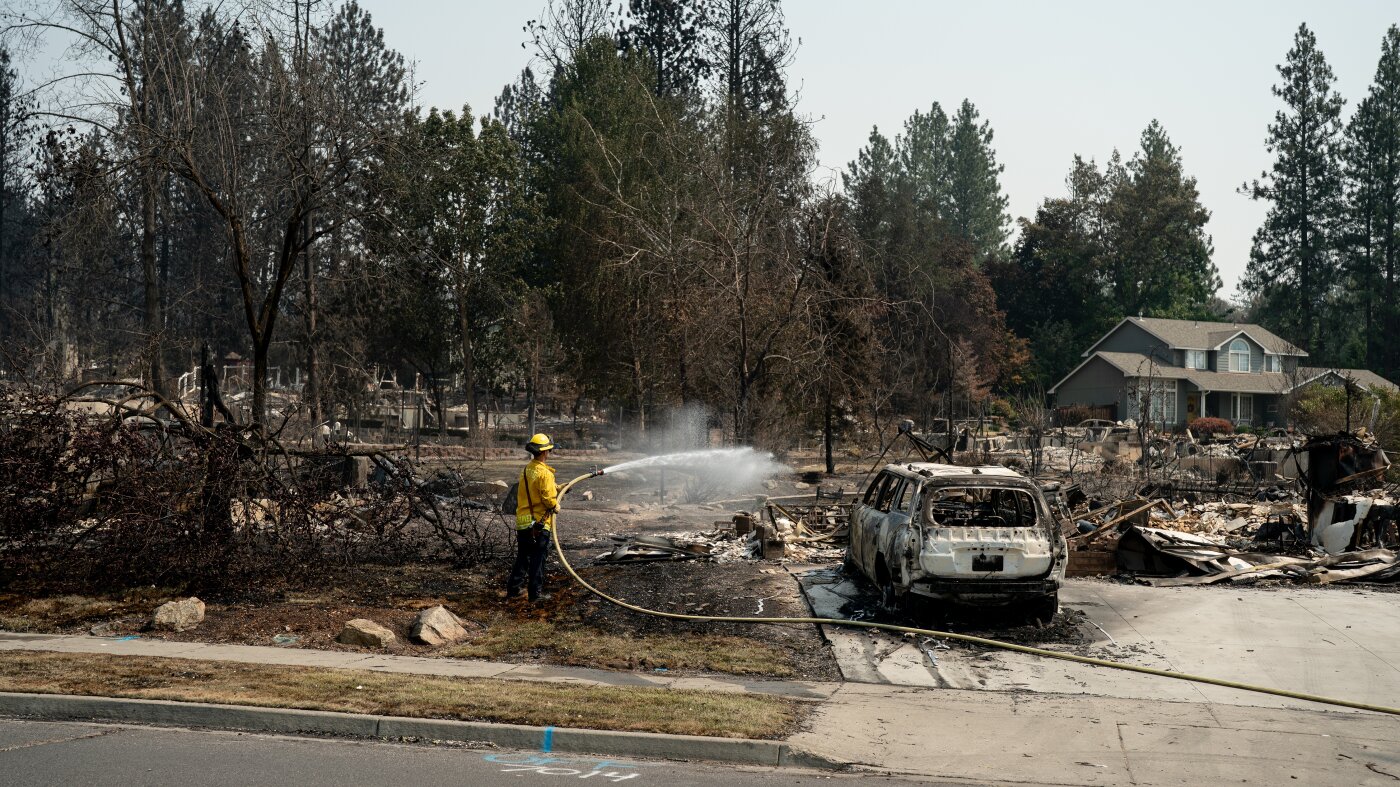
Human Activity Responsible for Majority of U.S. Wildfires
Federal data indicates that more than 75% of wildfires in the United States are caused by human activity. These fires often result from negligence, such as unextinguished campfires, downed power lines, or deliberate arson. Recent wildfires in the western U.S. follow this trend, with investigators attributing many to human causes.
In Washington state, the Spokane Complex Fires have burned over 10,000 acres and destroyed more than 900 structures, marking one of the most destructive wildfires in the state's history. Authorities arrested 37-year-old Aaron Farinacci in connection with the Old Trails Fire, which merged into the larger Spokane Complex. Court documents reveal Farinacci admitted to starting over two dozen wildfires, including the Old Trails Fire. He faces additional arson charges for four other wildfires near Spokane last year.
In Nevada, the Hawk Fire near Reno is also under investigation as a human-caused blaze. Officials have not yet determined the exact cause but suspect human involvement.
Human-caused wildfires tend to be more destructive than natural blazes. Recent studies in California highlight this trend, with power lines igniting deadly fires such as the Eaton Fire in Los Angeles County and the Camp Fire in Paradise. While arson cases have generally declined since the 1990s, they remain a significant concern.
Population growth in wildfire-prone areas contributes to the increase in human-caused ignitions. More people are moving into what fire managers call the wildland-urban interface, where human activity often sparks fires. Kelly Pohl, a researcher at Headwaters Economics, notes that growth alone can drive up the number of human-caused wildfires.
Natural wildfires, often sparked by lightning, can also be highly destructive. In Oregon, lightning strikes caused most of the 2.3 million acres burned this summer. Climate scientist Andrés Holz of Portland State University points to climate change as a factor, making vegetation drier and extending the fire season.
Wildland firefighters have become more effective at containing most human-caused fires, though the small percentage that escape containment often dominate headlines. Public awareness about fire risks has also improved, helping to keep most fires small. Globally, the number of human-caused ignitions is trending downward, despite the high-profile, catastrophic fires that draw media attention.
In Spokane, residents affected by the Old Trails Fire are grappling with the aftermath. Hundreds of homes were destroyed, including that of Chris Matthews, who lost nearly all possessions except the car his family used to escape. The community continues to process the impact of the deliberate blaze.
Comments (0)
No comments yet — be the first to weigh in.

Iran-US Tensions Escalate Amid Hormuz Strait Crisis – Live Updates
Iranian President Pezeshkian seeks diplomatic solutions with global leaders at SCO summit in Kyrgyzstan amid rising US tensions over Hormuz Strait.

Search continues for 18 passengers after ferry capsized in northern Cyprus
Search and rescue operations are continuing off the coast of Kyrenia in northern Cyprus after a passenger ferry capsized and sank on Sunday, leaving at least ei...

Swiss Man Arrested After Deadly Rave Shooting Kills Italian Woman
A 43-year-old Swiss suspect has been arrested after a shooting at a techno rave in Aarau left one woman dead and several others injured. Authorities continue their investigation.

England attack's 2005 comparisons fair - Trescothick
England’s new pace attack is drawing comparisons to the legendary Ashes-winning quartet of 2005, according to interim head coach Marcus Trescothick. The current...

Mumbai’s Vile Parle Cypher is giving unheard rappers a voice

Enrich and Ultimo impress

Karnataka CM Signals Review of 5% Park Land Amendment Bill in Assembly

