The SCREEN Act Threatens Privacy Far Beyond Adult Websites
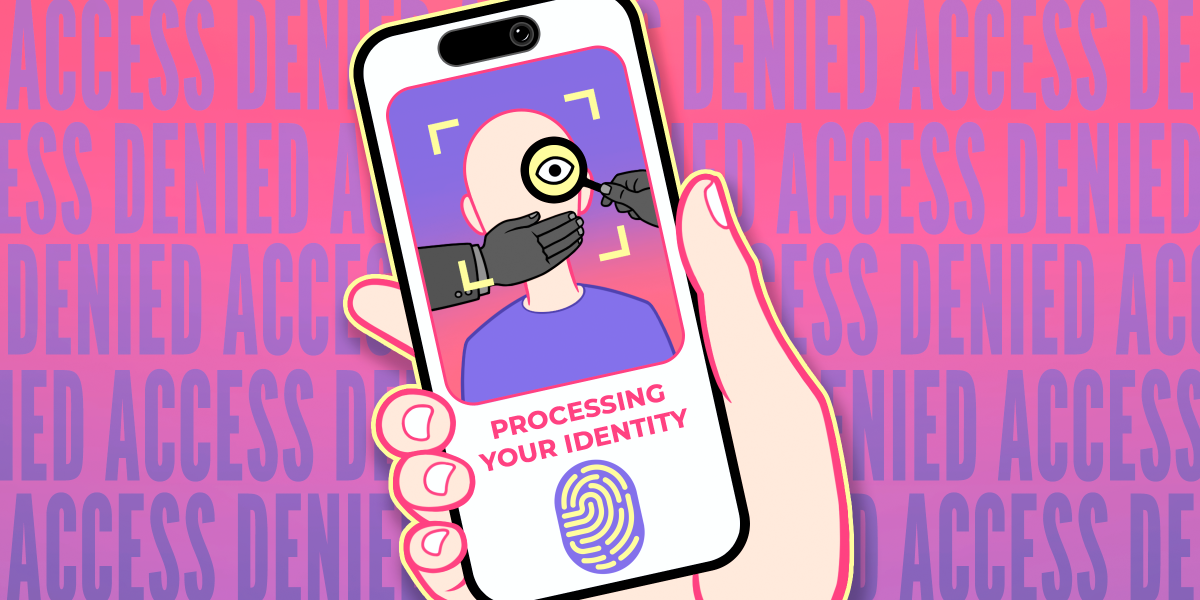
The Senate Commerce Committee on August 5, 2026 voted 15-13 to advance the SCREEN Act (S. 737), a controversial age-verification bill that would require online services to verify users' ages before accessing any sexually explicit content. The bill failed to advance due to a lack of quorum, but its sponsors have indicated plans to revisit the legislation. The Electronic Frontier Foundation (EFF) continues to oppose the measure, warning of significant privacy and free expression risks.
The SCREEN Act represents a sweeping expansion of age-verification requirements beyond traditional adult content sites. Unlike many state-level laws that target sites where sexually explicit content is the primary focus, this federal bill applies to any platform hosting even a single piece of adult material. This means services like Netflix, Reddit, Discord, and Bluesky could be forced to implement age verification if they allow adult content on their platforms. The bill explicitly rejects simple self-attestation, requiring instead that platforms verify users' ages using methods tied to real-world identities.
Privacy advocates argue that the bill's age-verification requirements create serious data security concerns. While the legislation mandates that platforms take reasonable steps to protect collected data, these protections are considered insufficient by privacy experts. The bill lacks meaningful limits on what personal information can be collected, how long it can be retained, or what purposes it can be used for beyond age verification. This creates a situation where third-party verification services could collect extensive personal data that may be used or retained for purposes unrelated to age verification.
The SCREEN Act also specifically targets virtual private network (VPN) users, requiring age verification based on IP addresses unless the user can be determined to be outside the United States. This provision effectively discourages VPN use, which millions rely on for legitimate privacy and security purposes. VPNs protect users' real locations, secure public Wi-Fi connections, and help safeguard journalists, activists, and others who need to protect their identities online. The bill's requirement to verify ages even when users take steps to maintain anonymity has drawn particular criticism from digital rights organizations.
Digital rights groups argue that the SCREEN Act creates onerous age-verification rules that would block adults from accessing lawful speech, undermine their ability to remain anonymous online, and jeopardize the data security and privacy of all internet users. The EFF and other organizations continue to urge Congress to oppose the legislation, warning that its requirements would fundamentally alter the internet's privacy landscape without adequate protections for users' personal information.
#SCREENAct #AgeVerification #DigitalPrivacy #InternetFreedom #VPNs #ElectronicFrontierFoundation #USCongress #S737
Comments (0)
No comments yet — be the first to weigh in.

Energy biz SSE smacked around in court by a guy and AI
An Oxford doctoral student has defeated British energy provider SSE Energy Supply in court after utilizing artificial intelligence models to build his legal def...

Berkeley Humanoid Lite: Affordable Open-Source Robot with DIY Actuators
Explore the Berkeley Humanoid Lite, a budget-friendly open-source robot featuring 3D-printed actuators under $5,000 USD. Learn how its modular design benefits DIY projects.

Woodstove Safety Monitor: Oru System Alerts Users to Temperature Fluctuations
Discover how the Oru woodstove assistant helps prevent dangerous chimney fires by monitoring exhaust gas temperatures and alerting users to temperature changes.

NES CD Add-On Revives 1980s Gaming with Optical Storage
Explore how a DIY project integrates a CD drive with the NES using an RP2350B microcontroller and Everdrive N8 Pro for expanded storage and audio playback.

Mumbai’s Vile Parle Cypher is giving unheard rappers a voice

Enrich and Ultimo impress

Karnataka CM Signals Review of 5% Park Land Amendment Bill in Assembly

