The stakes are high as Kevin Warsh is set to give his first major speech as Fed Chair
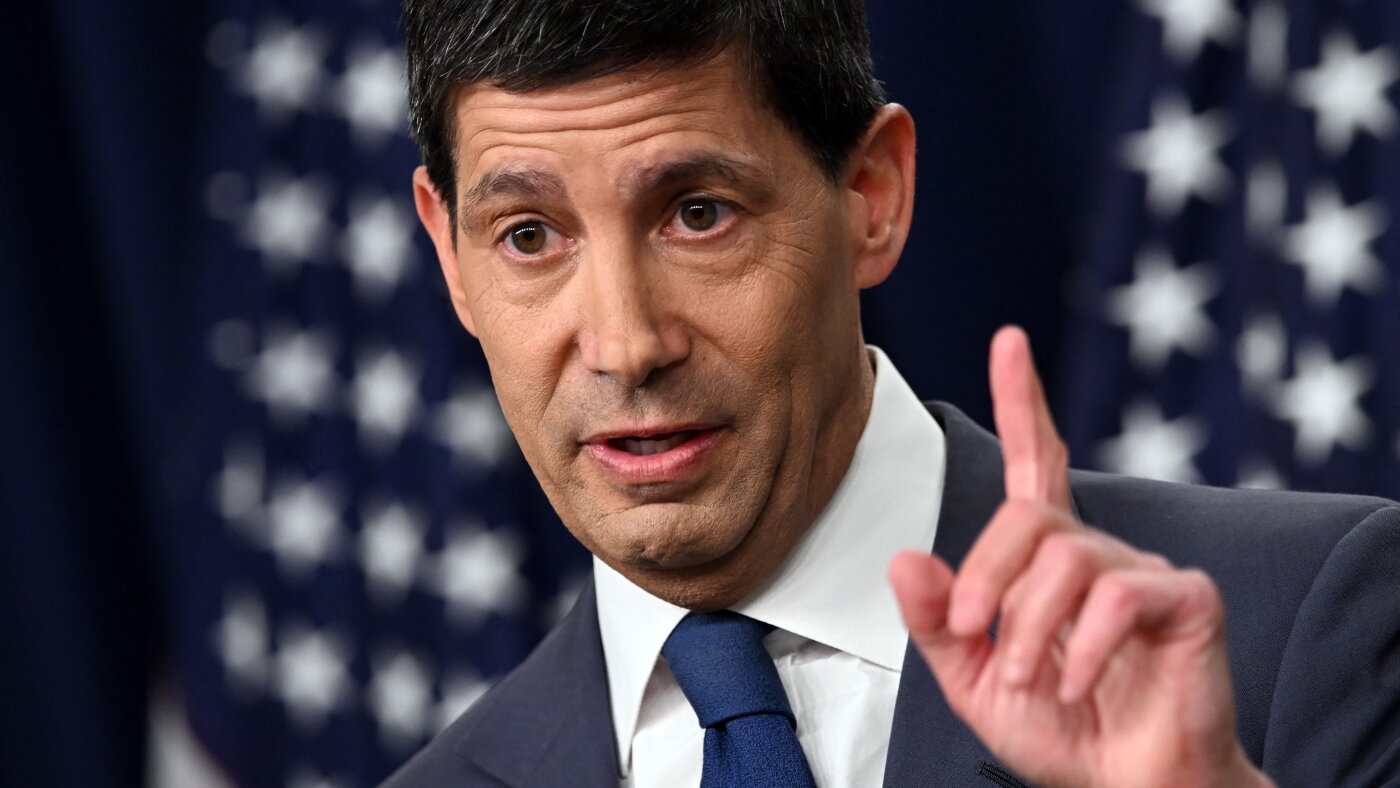
Federal Reserve Chair Kevin Warsh is scheduled to deliver a highly anticipated speech today at the annual economic symposium in Jackson Hole, Wyoming. The address comes at a critical juncture as investors and economists seek clarity on the central bank’s strategy to combat persistent inflation.
Warsh, who assumed the Fed chairmanship in May, has pledged to bring inflation under control but has provided limited details on how the central bank plans to achieve this goal. His speech at Jackson Lake Lodge marks his first major address to the gathering of economists, policymakers, and central bankers, a forum historically used by Fed chairs to signal policy direction.
Inflation remains a pressing concern, with prices rising 3.7% over the 12 months ending in July, according to the Fed’s preferred measure. While this represents a slight decline from May’s 4.1% reading, it remains well above the Fed’s 2% target. The central bank held interest rates steady at its most recent meeting, disappointing some investors who had hoped for more decisive action.
Warsh has emphasized a data-dependent approach, urging markets to focus on economic developments rather than Fed communications. In a statement last month, he suggested his Jackson Hole speech may prioritize broad economic questions, such as productivity trends, demographic shifts, and global economic shocks, rather than near-term policy specifics.
Investors are closely parsing his remarks for any indication of future rate moves. Current market expectations place roughly a one-in-three chance of a rate hike at the Fed’s next meeting in mid-September. Warsh has declined to preview his speech, stating he has not yet decided whether it will focus on big-picture themes or outline upcoming policy actions.
One factor complicating the inflation outlook is artificial intelligence. While Warsh has expressed optimism that AI could help reduce inflation over the long term by boosting productivity, its immediate effects have been inflationary. Increased demand for AI-related technologies has driven up prices for construction labor and semiconductor components.
The bond market has also signaled concerns about the economic outlook, reflecting uncertainty over the Fed’s next steps. With inflation still elevated and economic growth showing signs of slowing, Warsh’s speech is expected to shape market expectations in the coming months.
The symposium continues through the weekend, with additional remarks from global central bankers and economists. Analysts will be watching for any shifts in tone or policy signals that could influence financial markets and monetary policy decisions in the near term.
Comments (0)
No comments yet — be the first to weigh in.

Iran-US Tensions Escalate Amid Hormuz Strait Crisis – Live Updates
Iranian President Pezeshkian seeks diplomatic solutions with global leaders at SCO summit in Kyrgyzstan amid rising US tensions over Hormuz Strait.

Search continues for 18 passengers after ferry capsized in northern Cyprus
Search and rescue operations are continuing off the coast of Kyrenia in northern Cyprus after a passenger ferry capsized and sank on Sunday, leaving at least ei...

Swiss Man Arrested After Deadly Rave Shooting Kills Italian Woman
A 43-year-old Swiss suspect has been arrested after a shooting at a techno rave in Aarau left one woman dead and several others injured. Authorities continue their investigation.

England attack's 2005 comparisons fair - Trescothick
England’s new pace attack is drawing comparisons to the legendary Ashes-winning quartet of 2005, according to interim head coach Marcus Trescothick. The current...

Mumbai’s Vile Parle Cypher is giving unheard rappers a voice

Enrich and Ultimo impress

Karnataka CM Signals Review of 5% Park Land Amendment Bill in Assembly

