The United States’ human rights practices are taking a nosedive
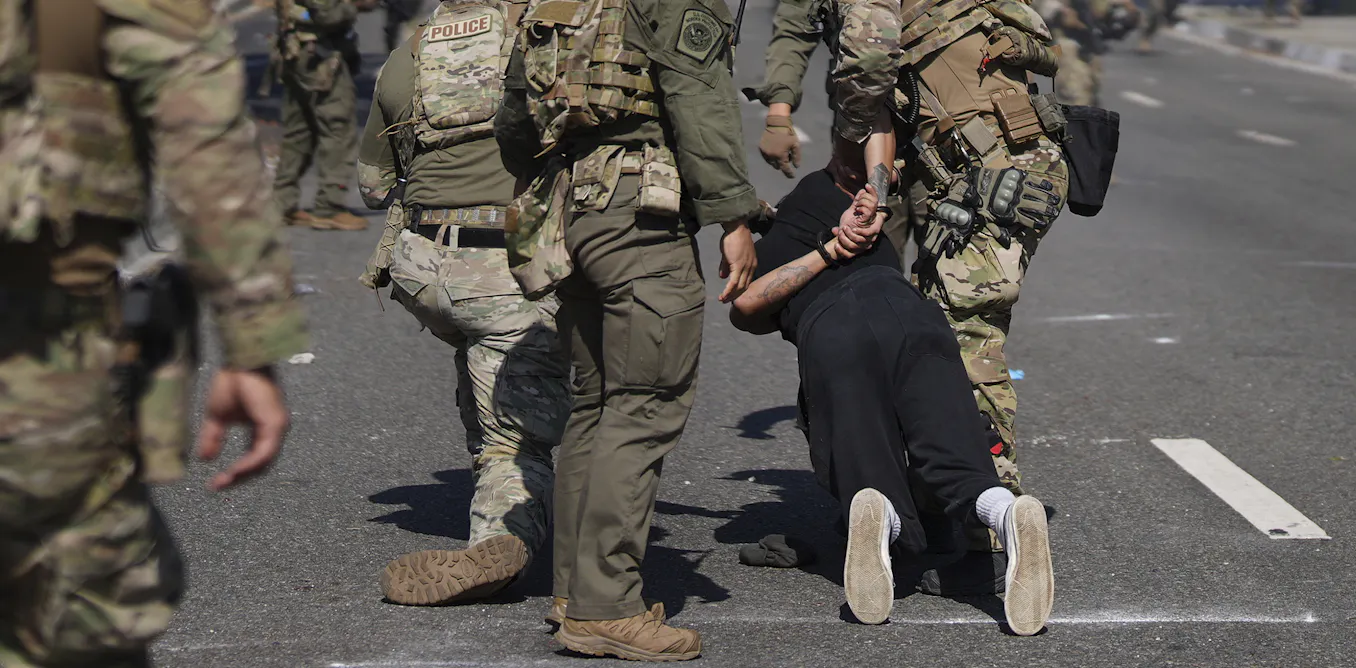
The United States’ human rights record has come under renewed scrutiny as data from the Human Rights Measurement Initiative (HRMI) shows a significant decline in key civil and political rights in 2025, raising concerns about the country’s commitment to fundamental freedoms. Despite political rhetoric celebrating American exceptionalism, independent assessments reveal that the U.S. lags behind most high-income democracies in areas including torture prevention, political participation, and economic rights. President Donald Trump’s recent remarks praising the U.S. as "the land of liberty" contrast sharply with these findings, which suggest worsening conditions for vulnerable groups.
HRMI’s latest data, collected from human rights researchers, lawyers, and advocates, indicates that the U.S. has dropped further in global rankings, particularly in areas such as freedom from forced disappearance, torture, and freedom of religion. Among the six high-income OECD countries monitored by HRMI since 2017, the U.S. has consistently ranked as the worst performer in physical integrity rights—such as protection from unlawful killing and arbitrary detention—and frequently as the worst in empowerment rights, which include free expression, assembly, and political participation. The decline in 2025 represents the most severe drop measured by HRMI since 2017, with significant deterioration in eight of nine civil and political rights tracked.
The factors contributing to this decline are multifaceted. Immigration enforcement agencies, including Immigration and Customs Enforcement (ICE), faced criticism for expanded practices such as warrantless arrests and prolonged incommunicado detention, which contributed to declines in protections against arbitrary detention and torture. Airstrikes conducted by U.S. forces in the Pacific and Caribbean resulted in at least 123 deaths in 2025 alone, further harming the country’s extrajudicial killing score. Restrictions on anti-government protests, pressure on universities to limit free speech, and threats to media outlets over political content also played a role in the worsening scores.
Additional policies in 2025 exacerbated concerns. State-level actions targeting American Islamic organizations by labeling them "foreign terrorist organizations," along with executive orders aimed at addressing perceived "anti-Christian bias," drew international criticism. Voting rights faced challenges as well, with restrictions on mail-in ballots documented in multiple states. While HRMI’s data does not yet cover 2026, early indicators suggest continued deterioration, with ongoing reports of abuse by immigration authorities, further casualties from military operations abroad, and allegations of government efforts to suppress dissent.
The U.S. has historically underperformed in human rights comparisons, ranking no higher than 81st globally in physical integrity rights from 2001 to 2021. Among high-income OECD nations like the United Kingdom, Japan, and New Zealand, it has consistently placed at or near the bottom. Experts note that while some issues predate recent administrations, the 2025 data reflects a marked acceleration in negative trends, particularly in rights related to freedom of expression and political participation.
Human rights advocates emphasize the need for transparency and accountability to reverse these trends. They argue that reliance on government self-reporting, as seen in the U.S. State Department’s Country Reports on Human Rights Practices under the Trump administration, can obscure abuses rather than illuminate them. HRMI’s methodology, which aggregates insights from civil society rather than official sources, offers a more comprehensive view but underscores the depth of the challenges facing the U.S.
As the country approaches the 2026 midterm elections, the data raises critical questions about the trajectory of human rights in America. Despite political claims of unparalleled progress, the evidence suggests a steady erosion of protections—one that risks further damaging the U.S. reputation on the global stage.
#HumanRights #UnitedStates #HRMI #CivilRights #PoliticalRights #OECD #ImmigrationEnforcement #2025Data
Comments (0)
No comments yet — be the first to weigh in.

NASA Launches Nancy Grace Roman Telescope to Unlock Universe's Mysteries
NASA's new Nancy Grace Roman Space Telescope lifts off from Florida to study dark energy, exoplanets, and cosmic mysteries with unprecedented precision and scope.

Nature reserves spot rare species during heatwaves
Nature reserves in Hertfordshire and Middlesex have documented rare species this summer, with volunteers spotting wildlife not seen in decades and some even for...

Inmates at HMP La Moye craft boxes to save Jersey's hedgehogs
Prisoners at HMP La Moye have crafted nesting and feeding boxes to support Jersey's hedgehog population, boosting rehabilitation and community engagement.
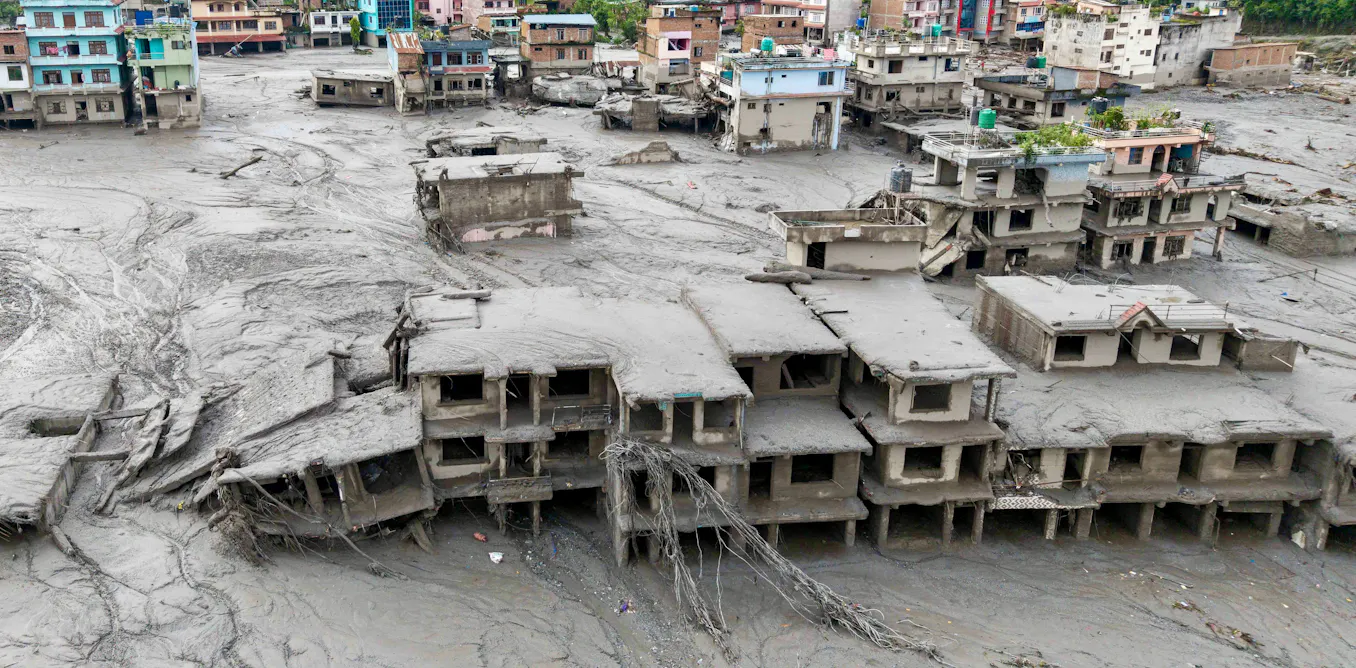
2026 Nepal Flood: Ice‑Rock Avalanche, Glacial Lake Outburst and Climate‑Change Risks
A massive ice‑rock avalanche triggered a catastrophic flood in Nepal on Aug. 26 2026, followed by a glacial lake outburst that devastated towns and hydropower plants. Climate‑change‑driven thawing increased the risk.

Mumbai’s Vile Parle Cypher is giving unheard rappers a voice

Enrich and Ultimo impress

Karnataka CM Signals Review of 5% Park Land Amendment Bill in Assembly

