There’s a $300 gotcha in an M5 Max Mac Studio upgrade

Apple’s latest Mac Studio, powered by the new M5 Max chip, launched yesterday with a base price that matched the previous M4 Max model at $2,499. The announcement, part of Apple’s broader refresh of its desktop lineup, also highlighted a new 40‑core GPU option that, on the surface, appears to cost an additional $300. However, a closer look at the configuration process reveals a hidden cost that effectively doubles the upgrade price.
When customers select the 40‑core GPU on Apple’s website, the interface automatically upgrades the system’s memory from 32 GB to 48 GB. The memory upgrade itself adds another $300 to the total, bringing the true cost of the GPU upgrade to $600 rather than the $300 displayed next to the GPU option. Apple’s site attempts to warn users of this change with a generic message: “Based on your new selection, other parts of your configuration have been updated. Please review the changes.” The wording is vague and can be overlooked, especially when buyers are focused on the GPU upgrade alone.
The base Mac Studio configuration consists of an 18‑core CPU, a 32‑core GPU, 32 GB of unified memory, and 512 GB of SSD storage. The 40‑core GPU option is marketed as a performance boost for demanding tasks such as video editing, 3D rendering, and machine learning. The memory increase to 48 GB is intended to support the higher GPU core count, but it is not presented as a separate, optional upgrade. Instead, it is bundled automatically with the GPU upgrade, meaning that users who want the extra GPU performance must also accept the additional memory cost.
John Gruber, a well‑known technology blogger, was the first to point out the discrepancy. While summarizing the pricing for each configuration of the new Mac Studio, he noted that the website’s pricing table did not reflect the full cost of the GPU upgrade. His observation highlighted a potential confusion for consumers who might assume the GPU upgrade is a simple $300 addition.
Apple’s pricing strategy for the M5 Max Mac Studio is otherwise straightforward. The base model remains at $2,499, the same as the M4 Max version, and the M5 Max’s higher GPU and CPU core counts are positioned as premium features. The company offers additional storage and memory upgrades beyond the 48 GB default, but these are listed separately. The 40‑core GPU upgrade is the only configuration that triggers the automatic memory increase, making it the sole source of the hidden cost.
For buyers, the implication is clear: if you need the extra GPU cores for professional workloads, you should be prepared to pay $600 for the upgrade, not $300. This is effectively a $300 price bump that is not immediately apparent in the product listing. The oversight could lead to unexpected charges at checkout or confusion when comparing configurations.
Apple’s broader strategy appears to be to keep the base price competitive while encouraging higher‑end configurations through bundled upgrades. By tying the GPU upgrade to a memory increase, the company ensures that performance gains are accompanied by the necessary memory support, but it also creates a pricing quirk that can catch users off guard.
Consumers interested in the Mac Studio should review the configuration carefully, paying particular attention to the “Based on your new selection, other parts of your configuration have been updated” notice. Apple’s website does not provide a separate line item for the memory upgrade when the GPU is selected, so the total cost will only be visible after the final price summary is displayed.
In summary, the Mac Studio’s M5 Max launch offers a powerful new desktop with a competitive starting price, but the GPU upgrade’s hidden memory cost means that the true price of the 40‑core GPU configuration is $600, not the $300 displayed next to the GPU option. Apple’s website’s wording may obscure this fact, so buyers should double‑check the final configuration before completing their purchase.
Comments (0)
No comments yet — be the first to weigh in.

Energy biz SSE smacked around in court by a guy and AI
An Oxford doctoral student has defeated British energy provider SSE Energy Supply in court after utilizing artificial intelligence models to build his legal def...
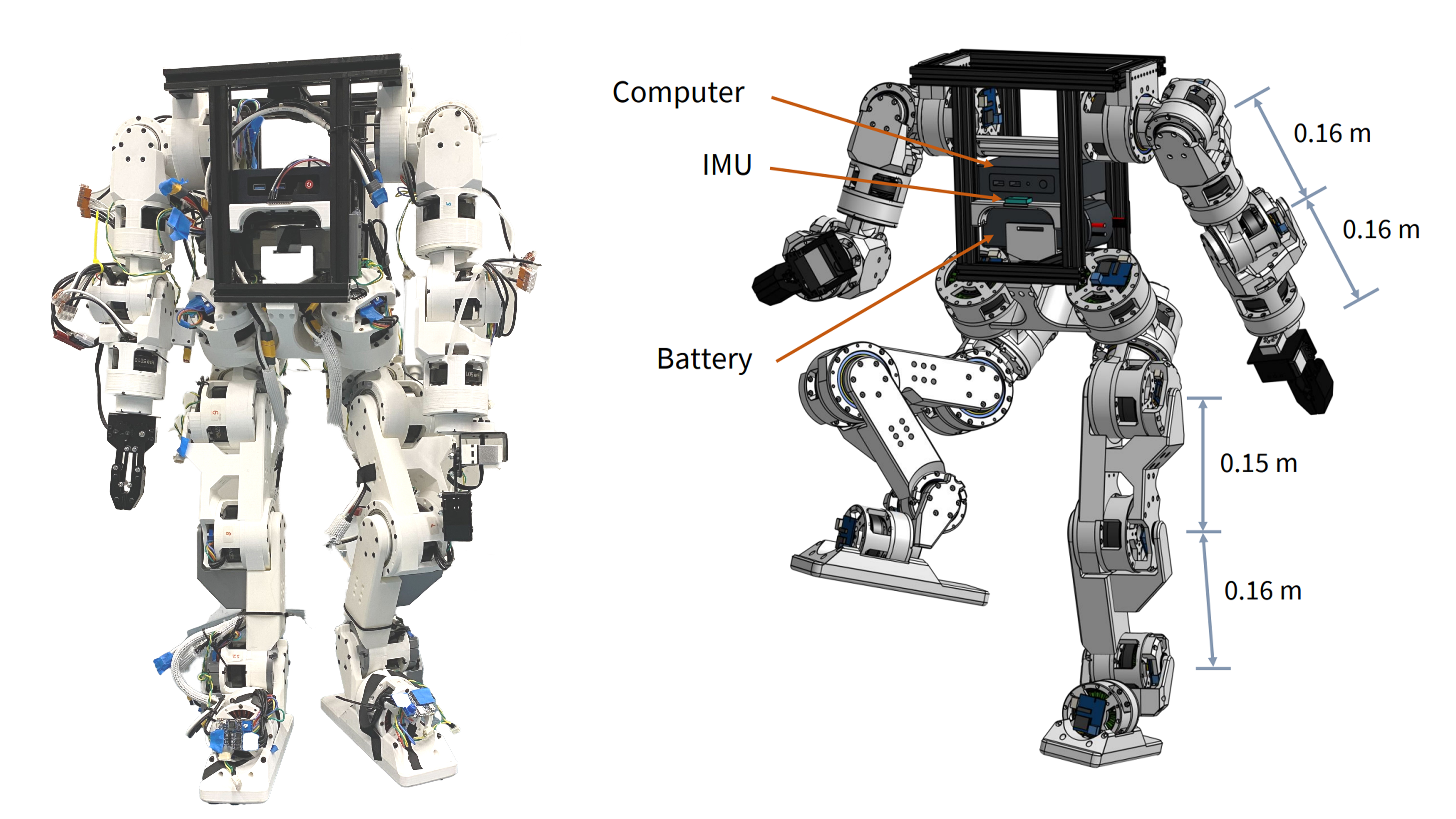
Berkeley Humanoid Lite: Affordable Open-Source Robot with DIY Actuators
Explore the Berkeley Humanoid Lite, a budget-friendly open-source robot featuring 3D-printed actuators under $5,000 USD. Learn how its modular design benefits DIY projects.

Woodstove Safety Monitor: Oru System Alerts Users to Temperature Fluctuations
Discover how the Oru woodstove assistant helps prevent dangerous chimney fires by monitoring exhaust gas temperatures and alerting users to temperature changes.
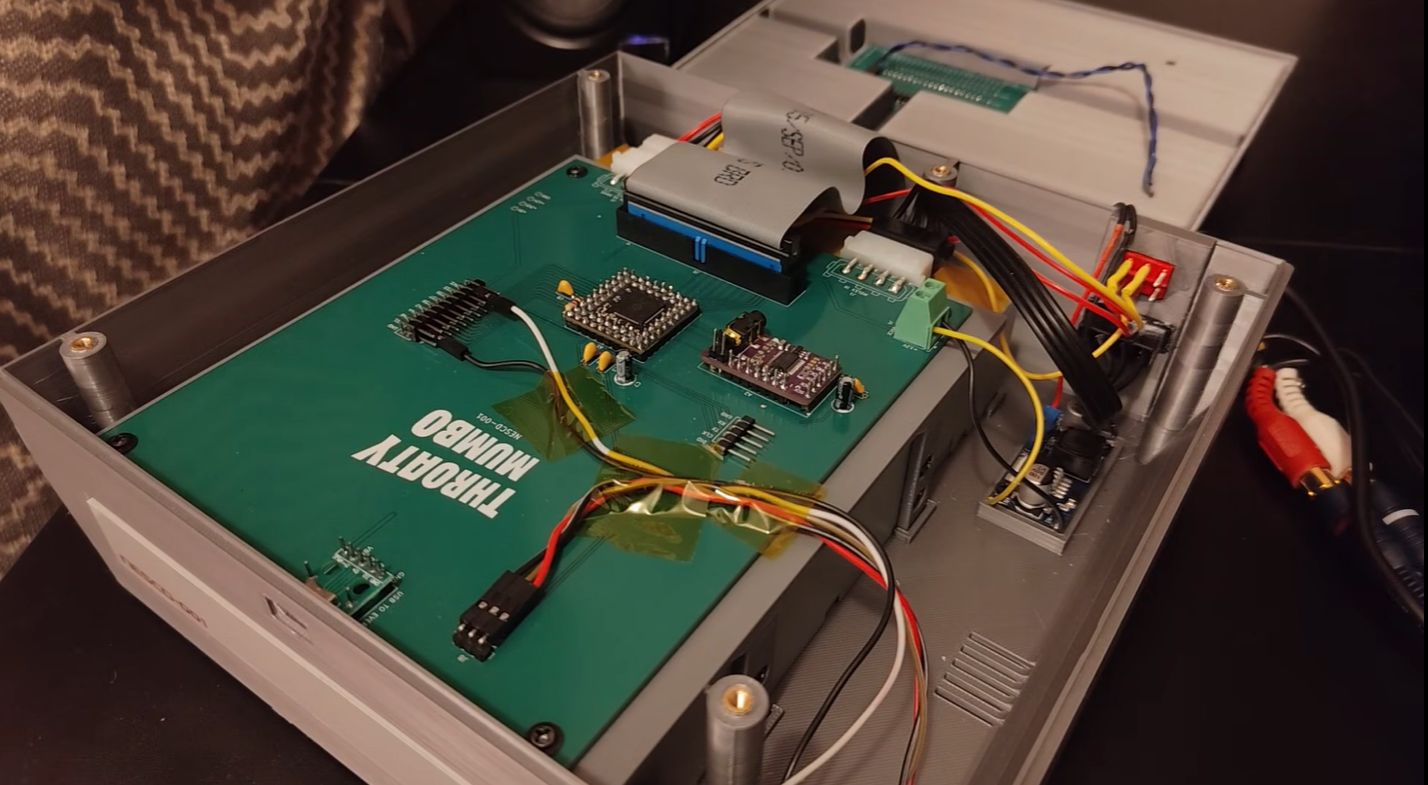
NES CD Add-On Revives 1980s Gaming with Optical Storage
Explore how a DIY project integrates a CD drive with the NES using an RP2350B microcontroller and Everdrive N8 Pro for expanded storage and audio playback.

Mumbai’s Vile Parle Cypher is giving unheard rappers a voice

Enrich and Ultimo impress

Karnataka CM Signals Review of 5% Park Land Amendment Bill in Assembly

