Treasury Secretary Scott Bessent's Bond Buyback: Risky Move Amid Rising Yields
Treasury Secretary Scott Bessent is doubling liquidity support buybacks of long‑dated Treasury bonds amid soaring yields, a move critics say is unnecessary and risky.

The U.S. Department of the Treasury announced Thursday it would at least double the size of its liquidity support buyback operations for longer-dated nominal coupon securities, including the 10-year Treasury note. The move aims to stabilize markets amid rising long-term bond yields, though some critics question whether it represents an effective policy response.
Treasury Secretary Scott Bessent characterized the increase in buybacks as a routine effort to ensure market liquidity and orderly trading conditions. “Our primary objective is to maintain smooth functioning in the Treasury market,” Bessent said in a statement, though he did not elaborate on the rationale behind the expanded operation.
The Treasury plans to conduct buybacks of securities maturing in two years or more, with particular focus on the 10-year and 30-year bonds. Such operations are intended to absorb excess supply, reduce volatility, and reassure investors during periods of market stress. The Federal Reserve, through its ongoing quantitative tightening program, has been gradually reducing its holdings of long-term debt since 2022, leaving a void in demand that the Treasury is attempting to address.
Long-term Treasury yields have risen sharply in recent weeks, with the 10-year yield climbing above 4.6%—levels not seen since late 2023. Analysts cite several contributing factors, including persistent inflation concerns, strong U.S. economic data, and heightened expectations for delayed Federal Reserve interest rate cuts. The yield increase has raised borrowing costs for households, businesses, and government entities, putting pressure on federal debt service costs.
Critics, including former Reagan administration Budget Director David Stockman, have argued that the Treasury’s intervention is misguided. In commentary posted online, Stockman described Bessent’s approach as “the very dumbest” policy response to rising yields, questioning the efficacy of bond buybacks as a tool to control interest rates. Stockman suggested that such operations could distort market signals and delay necessary fiscal adjustments.
The Treasury defended its strategy, stating that it remains committed to transparency and market-based solutions. Officials emphasized that buybacks are conducted through competitive auctions and are consistent with long-standing practices used to manage debt efficiently.
Despite the controversy, financial markets showed little immediate reaction to the announcement. Analysts noted that while the expanded buyback program may provide short-term stability, it does not address underlying structural issues such as fiscal deficits or the Federal Reserve’s restrictive monetary policy stance.
The Treasury’s decision reflects ongoing efforts to balance debt management with broader economic objectives. Whether the increased buybacks will succeed in curbing volatility or lowering long-term yields remains uncertain. The policy will be closely monitored by investors, economists, and policymakers in the coming weeks.
Comments (0)
No comments yet — be the first to weigh in.

Free School Uniform Swap Shop Saves Welsh Families £50m Annually
A Cardiff father's school uniform swap shop initiative has grown to 200 schools, helping Welsh families save £50m yearly while promoting sustainability and reducing clothing waste.

Poland, US Explore Permanent Military Bases: Defense Talks Underway
Poland and the US are discussing permanent American military bases in Poland, focusing on defense capabilities rather than troop numbers. Nuclear warheads are not part of the plans.

Taxpayers Lost $65B to Obamacare Fraud in 2024; Feds Crack Down
A Paragon Health Institute report reveals $65 billion in taxpayer losses due to Obamacare and Medicaid fraud in 2024, with improper enrollments rising in 2025.
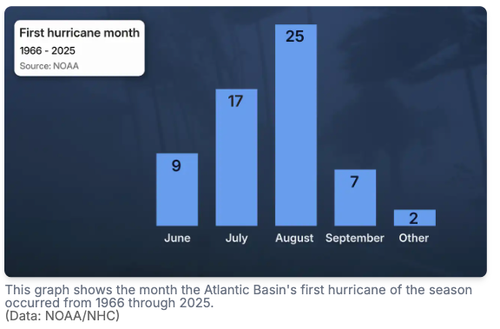
El Niño Delaying 2026 Atlantic Hurricane Season as Dolly Nears Florida
El Niño's wind shear suppresses 2026 Atlantic hurricane activity, delaying first hurricane as Tropical Storm Dolly's remnants approach Florida and the Caribbean.

Mumbai’s Vile Parle Cypher is giving unheard rappers a voice

Enrich and Ultimo impress

Karnataka CM Signals Review of 5% Park Land Amendment Bill in Assembly

