Trump Announces Historic $100B Venezuela Oil Deal, Securing 65 Billion Barrels
President Trump claims a new U.S.-Venezuela oil agreement could grant America access to 65 billion barrels of reserves, with potential $100B investment and lower gas prices.
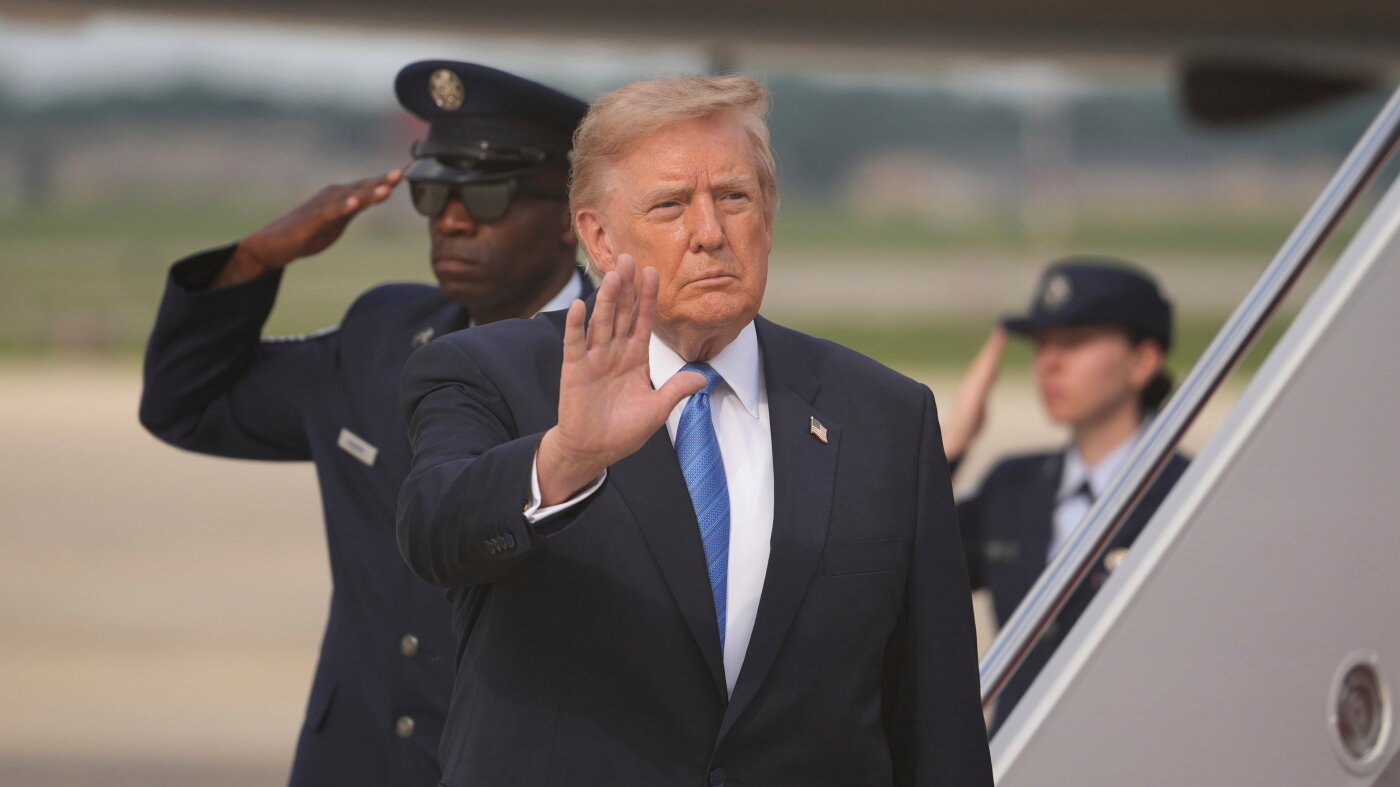
WASHINGTON (AP) — President Donald Trump announced Friday that the U.S. has secured a historic oil deal with Venezuela, potentially granting American access to vast untapped reserves as part of a broader agreement negotiated with Venezuelan officials.
In a social media post, Trump stated that the administration had finalized "the biggest oil deal in world history" with Venezuela, involving Secretary of State Marco Rubio, Defense Secretary Pete Hegseth, and Venezuela's acting President Delcy Rodríguez. The deal centers on the development of 17 oil fields with an estimated 65 billion barrels of proven reserves, according to a statement from Rodríguez’s government.
The agreement could bring $100 billion in investment to Venezuela’s oil sector and generate over $209 billion in tax revenue for Caracas, Rodríguez’s statement said. A U.S. official, speaking on condition of anonymity, confirmed that the deal grants a new private company—operating in partnership with an unnamed U.S. firm—100-year rights to develop the fields. The U.S. would hold a 55% stake in the venture, including ownership and discounted oil purchasing rights.
Rodríguez called the deal a pivotal step in Venezuela’s economic revival, while Rubio framed it as a benefit for both nations, tweeting that it would spur private investment and help lower U.S. gas prices.
The announcement follows nearly nine months after the U.S. military, acting on Trump’s orders, captured then-Venezuelan President Nicolás Maduro, who is now jailed in the U.S. facing narcoterrorism and drug trafficking charges.
The deal arrives amid soaring U.S. gasoline prices, which averaged $4.09 per gallon Friday, up from $3.21 a year ago, according to AAA. While the agreement could eventually boost global oil supply, experts caution that significant production increases will take years due to Venezuela’s crumbling infrastructure and political instability.
The U.S. has tapped its strategic petroleum reserves to ease prices, with reserves falling below 300 million barrels in early August—a decline of over 100 million since January. The conflict between the U.S.-Israel alliance and Iran has further disrupted global oil flows, including through the Strait of Hormuz, a critical chokepoint for 20% of the world’s petroleum.
Trump has framed the deal as rectifying past grievances, including Venezuela’s nationalization of U.S. oil assets under Hugo Chávez. Rodríguez has since pushed privatization laws to reverse socialist policies that have stifled the industry.
However, major U.S. oil firms remain cautious. ExxonMobil CEO Darren Woods previously called Venezuela "un-investable" despite Trump’s assurances of stability. The new company’s oil would primarily supply the U.S. strategic reserve and military needs, the official said.
Venezuela holds the world’s largest proven oil reserves—about 303 billion barrels—but produces just 1% of global supply due to outdated infrastructure. While the deal marks a potential turning point, its long-term impact depends on execution amid ongoing political and economic challenges.
Comments (0)
No comments yet — be the first to weigh in.

Iran-US Tensions Escalate Amid Hormuz Strait Crisis – Live Updates
Iranian President Pezeshkian seeks diplomatic solutions with global leaders at SCO summit in Kyrgyzstan amid rising US tensions over Hormuz Strait.

Search continues for 18 passengers after ferry capsized in northern Cyprus
Search and rescue operations are continuing off the coast of Kyrenia in northern Cyprus after a passenger ferry capsized and sank on Sunday, leaving at least ei...

Swiss Man Arrested After Deadly Rave Shooting Kills Italian Woman
A 43-year-old Swiss suspect has been arrested after a shooting at a techno rave in Aarau left one woman dead and several others injured. Authorities continue their investigation.

England attack's 2005 comparisons fair - Trescothick
England’s new pace attack is drawing comparisons to the legendary Ashes-winning quartet of 2005, according to interim head coach Marcus Trescothick. The current...

Mumbai’s Vile Parle Cypher is giving unheard rappers a voice

Enrich and Ultimo impress

Karnataka CM Signals Review of 5% Park Land Amendment Bill in Assembly

