Trumpian Socialism At Work—Let Them Eat Hamburger! (Part 2)
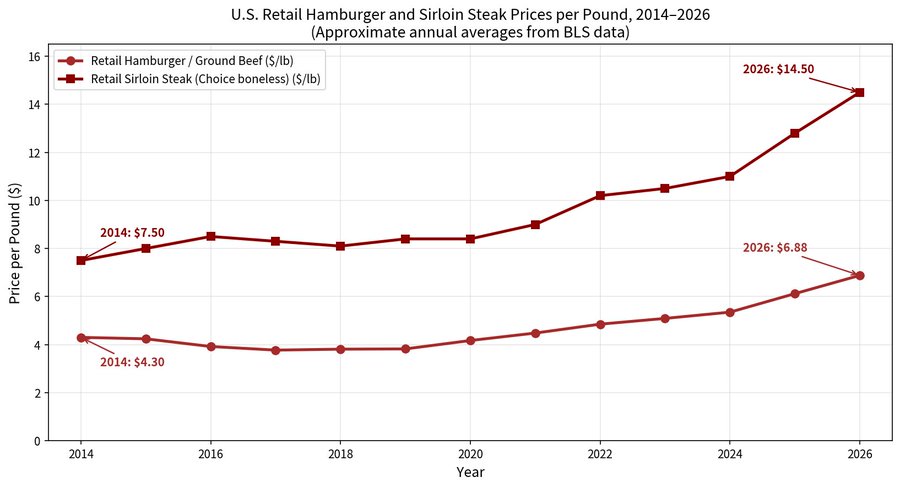
Domestic beef supply shortages have been exacerbated by U.S. trade policies, according to a recent analysis by financial commentator David Stockman. The issue stems from existing tariff structures that restrict import efficiency, even when global supply may be available.
Washington maintains a two-tiered system for beef imports: tariff-rate quotas (TRQs) and a 26% tariff on shipments exceeding minimal quota levels. This framework effectively limits the U.S.'s ability to supplement domestic production with imported beef, even during supply constraints.
Trade data indicates that the U.S. imports beef from multiple global suppliers, including Canada, Mexico, and Australia. However, the imposed tariffs create a price ceiling for imports within the quota and a significant barrier for additional supply beyond it. The system prioritizes domestic producers by making imported beef less competitive, but it also reduces overall market flexibility.
Industry analysts note that tariff-rate quotas were initially implemented to protect American ranchers and farmers from foreign competition. While this may support local industries, it can lead to higher consumer prices and supply shortages when domestic output is insufficient. The current beef supply challenges have revived debates about the balance between protectionism and market efficiency.
According to USDA reports, beef production in the U.S. has faced disruptions due to factors such as drought, rising feed costs, and labor shortages. These conditions have increased reliance on imports to meet consumer demand. However, the existing tariff structure complicates efforts to stabilize supply through foreign sources.
Critics argue that the tariff system is outdated and fails to account for modern supply chain realities. They contend that lifting or adjusting these tariffs could provide immediate relief to consumers and businesses facing higher meat prices. Proponents of the current system, however, maintain that it is necessary to preserve domestic agricultural jobs and food security.
The Biden administration has faced pressure to address rising food prices, including beef, which has seen significant inflation over the past year. While some adjustments to agricultural trade policies have been discussed, no immediate changes to the beef tariff structure have been announced.
Economists warn that rigid trade barriers can have unintended consequences, including supply bottlenecks and increased costs for American consumers. The current situation highlights the complexities of agricultural trade policy and its impact on both producers and consumers.
As discussions continue, stakeholders will need to weigh the benefits of protecting domestic industries against the need for a stable and affordable food supply. The outcome may influence future trade policies beyond just the beef sector.
Comments (0)
No comments yet — be the first to weigh in.

Free School Uniform Swap Shop Saves Welsh Families £50m Annually
A Cardiff father's school uniform swap shop initiative has grown to 200 schools, helping Welsh families save £50m yearly while promoting sustainability and reducing clothing waste.

Poland, US Explore Permanent Military Bases: Defense Talks Underway
Poland and the US are discussing permanent American military bases in Poland, focusing on defense capabilities rather than troop numbers. Nuclear warheads are not part of the plans.

Taxpayers Lost $65B to Obamacare Fraud in 2024; Feds Crack Down
A Paragon Health Institute report reveals $65 billion in taxpayer losses due to Obamacare and Medicaid fraud in 2024, with improper enrollments rising in 2025.
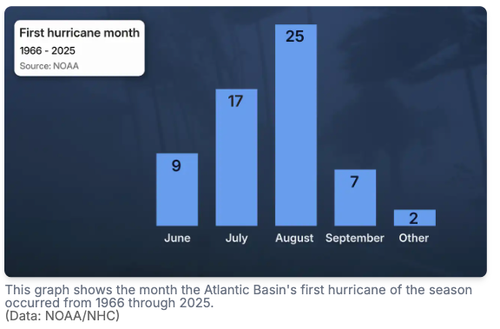
El Niño Delaying 2026 Atlantic Hurricane Season as Dolly Nears Florida
El Niño's wind shear suppresses 2026 Atlantic hurricane activity, delaying first hurricane as Tropical Storm Dolly's remnants approach Florida and the Caribbean.

Mumbai’s Vile Parle Cypher is giving unheard rappers a voice

Enrich and Ultimo impress

Karnataka CM Signals Review of 5% Park Land Amendment Bill in Assembly

