Trump’s Lake Ontario Renaming Raises Legal and Diplomatic Questions
President Trump's executive order renaming Lake Ontario 'Lake America' follows a pattern of contentious place name changes, but formal renaming processes are complex and legally binding.
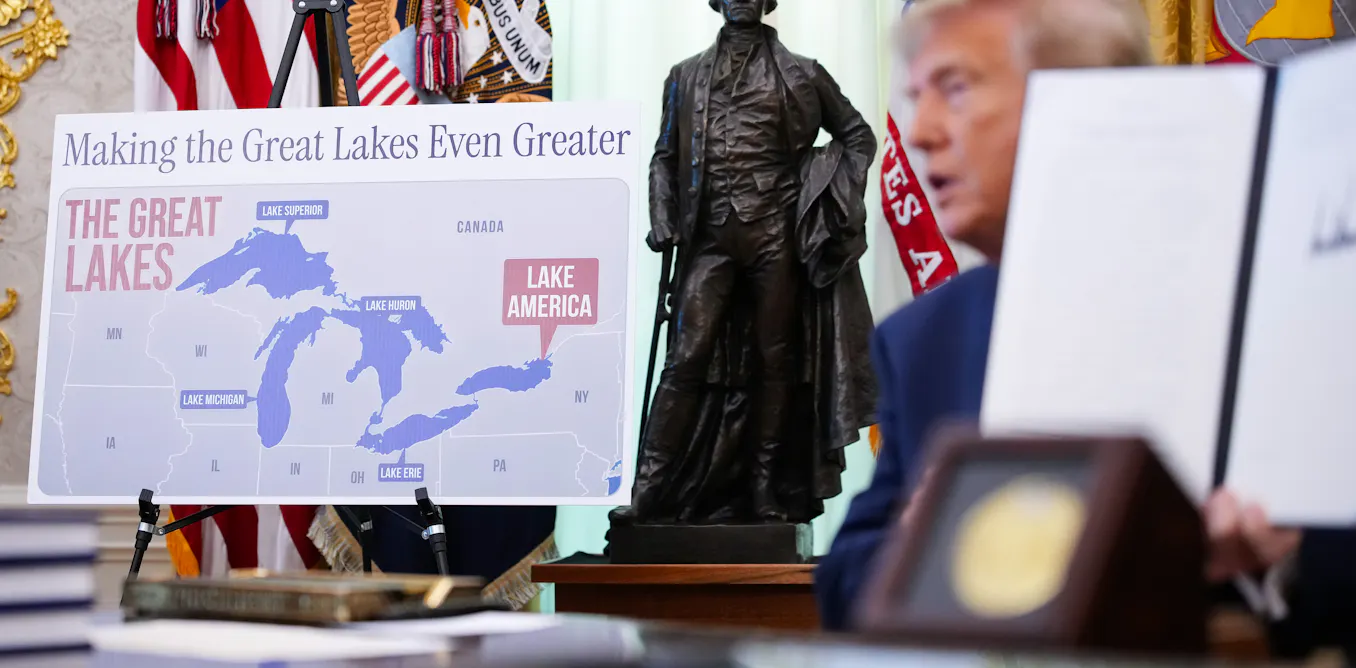
President Donald Trump issued an executive order on August 27, 2026, renaming Lake Ontario to "Lake America." The move comes amid escalating trade tensions with Canada. The administration claims all necessary notifications have been made, though Ontario Premier Doug Ford previously dismissed such suggestions as mere rhetoric.
This is not the first time the administration has attempted to rename a geographical feature. In 2025, an executive order renamed the Gulf of Mexico to the Gulf of America and restored Alaska's Denali to its original name, Mount McKinley. These actions follow a formal process, though the renaming of bodies of water outside U.S. territorial waters presents unique challenges.
In the United States, place names are standardized by the U.S. Board on Geographic Names, part of the U.S. Geological Survey. The process typically begins locally, with state or county proposals gathering support before moving through state and federal channels. For example, in 2018, Minnesota renamed a large lake in Minneapolis to Bde Maka Ska after a Dakota name. The request moved from the Minneapolis Park Board to county commissioners, then the Minnesota Department of Natural Resources, and finally the Board on Geographic Names.
The renaming of Denali from Mount McKinley took decades. Alaska first requested the change in 1975, but objections from Ohio's congressional delegation delayed it. President Barack Obama eventually enacted the change in 2015 through the Department of the Interior, citing the mountain's sacred significance to Alaska Natives.
Disputes over name changes can lead to legal challenges. In the case of Bde Maka Ska, opponents sued the state natural resources agency, but the Minnesota Supreme Court upheld the change.
Renaming bodies of water outside U.S. territorial waters, like the Gulf of Mexico, poses different challenges. The Board on Geographic Names may approve the change for U.S. maps, but there is no international authority overseeing place names. Each country decides its own naming conventions, and the U.S. has no official means to compel other nations to adopt its preferred names. However, the U.S. could formally request changes or impose sanctions on non-compliant countries.
Once a name change is approved, U.S. government documents, signage, and maps reflect the new name. Widely used online mapping services, such as Google Maps, display place names based on the viewer's location. For instance, users in the U.S. may see the Gulf of America, while users in Mexico see the Gulf of Mexico. Mapping companies often adjust display settings based on the viewer's location or allow manual adjustments to reflect different geographical perspectives.
This updated report was first published on January 24, 2025.
Comments (0)
No comments yet — be the first to weigh in.

NASA Launches Nancy Grace Roman Telescope to Unlock Universe's Mysteries
NASA's new Nancy Grace Roman Space Telescope lifts off from Florida to study dark energy, exoplanets, and cosmic mysteries with unprecedented precision and scope.

Nature reserves spot rare species during heatwaves
Nature reserves in Hertfordshire and Middlesex have documented rare species this summer, with volunteers spotting wildlife not seen in decades and some even for...

Inmates at HMP La Moye craft boxes to save Jersey's hedgehogs
Prisoners at HMP La Moye have crafted nesting and feeding boxes to support Jersey's hedgehog population, boosting rehabilitation and community engagement.
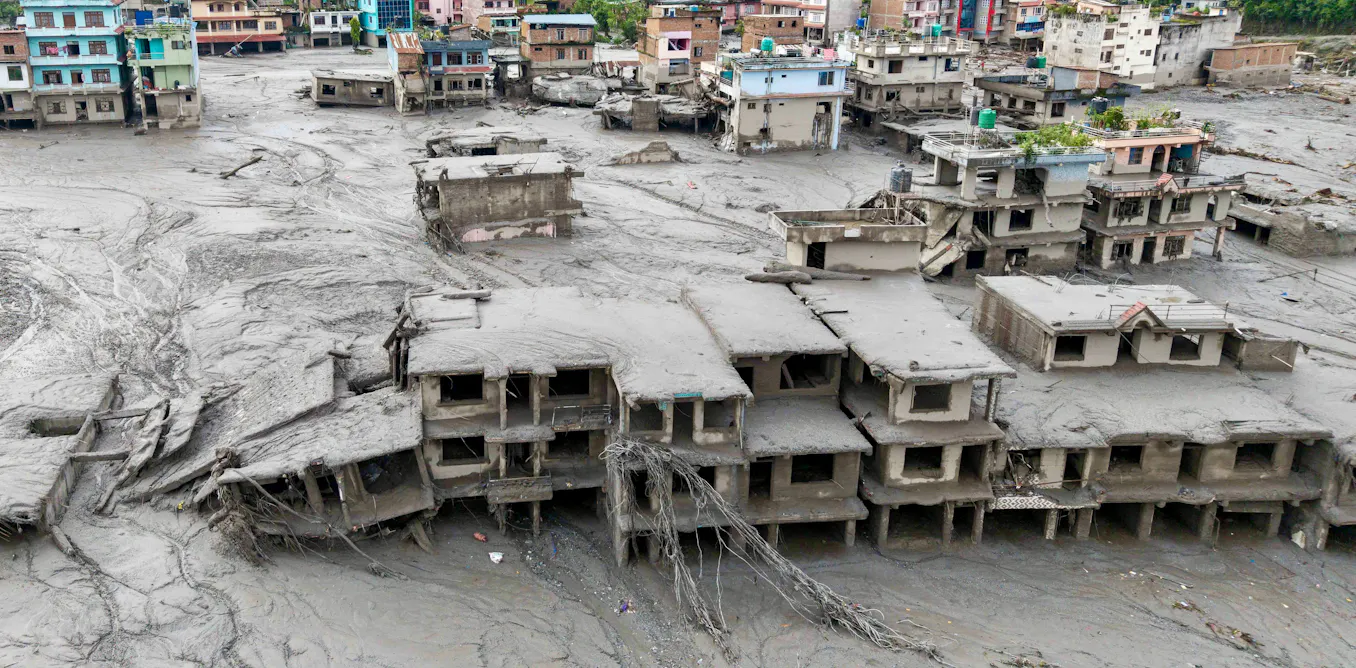
2026 Nepal Flood: Ice‑Rock Avalanche, Glacial Lake Outburst and Climate‑Change Risks
A massive ice‑rock avalanche triggered a catastrophic flood in Nepal on Aug. 26 2026, followed by a glacial lake outburst that devastated towns and hydropower plants. Climate‑change‑driven thawing increased the risk.

Mumbai’s Vile Parle Cypher is giving unheard rappers a voice

Enrich and Ultimo impress

Karnataka CM Signals Review of 5% Park Land Amendment Bill in Assembly

