UAE Counters AI-Powered Cyberattacks Amid Middle East Conflict
The UAE has faced 800,000 daily AI-driven cyberattacks since February, prompting the deployment of advanced AI defenses to protect critical infrastructure like aviation and energy sectors.

The United Arab Emirates has reported a significant increase in cyberattacks targeting its aviation, energy, and education sectors since hostilities began in the region in February. According to a statement released by the UAE's Cyber Security Council on August 10, hackers have launched approximately 800,000 attempts per day, a fourfold increase from pre-conflict levels.
The escalation in cyber threats coincides with the deployment of artificial intelligence (AI) by attackers to enhance their tactics. AI is being utilized to automate phishing emails, identify software vulnerabilities, and accelerate the development of malicious programs, reducing the time required to exploit weaknesses from days to hours. Security firms operating in the Gulf have noted this shift, emphasizing the increased speed of attacks as a critical factor.
Iranian hackers have reportedly employed AI at various stages of their operations, including target selection, code development, and crafting deceptive messages to trick individuals into clicking malicious links. The U.S. Justice Department corroborated these findings on August 18 by charging 17 Iranians for a campaign spanning since 2013, which allegedly resulted in the theft of research and designs from 144 U.S. universities and 42 companies.
Mohamed Al Kuwaiti, head of the UAE's Cyber Security Council, revealed in April that attacks on the country have originated from approximately 20 countries and over 40 organizations, including groups linked to Iran. U.S. cybersecurity firm Palo Alto Networks has also observed a rise in AI-assisted scams, password theft, and fraudulent websites across the Gulf since February. Haider Pasha, the company's chief security officer for Europe, the Middle East, and Africa, identified telecoms, energy, and government services as the most vulnerable sectors due to the cascading effects of potential disruptions.
The UAE's increasing reliance on digital infrastructure, including government services, banking, and power grids, has made it a prime target for cyber threats. To counter these attacks, the Cyber Security Council has adopted a transparent approach, publicly disclosing incidents and detailing the methods used, such as ransomware targeting government platforms, phishing campaigns against banks, and attempts to infiltrate internet-connected cameras.
A timeline of reported attacks in the UAE and neighboring countries includes:
* February 2026: The UAE repelled terrorism-related cyberattacks involving attempts to breach government platforms and deploy ransomware. Attackers utilized AI to develop their tools.
* February 28, 2026: Check Point researchers traced break-in attempts on internet-connected cameras in the UAE, Qatar, Kuwait, and Bahrain to Iranian hackers, suggesting efforts to obtain footage for missile targeting and damage assessment.
* April 2026: Al Kuwaiti reported around 800,000 daily hacking attempts on the UAE, up from 200,000 before the conflict.
* July 2026: National teams detected and contained attacks on financial firms using phishing, software flaws, and malicious code, with no service disruptions. AI was used to complicate these methods.
* August 2026: Coordinated attacks on aviation, energy, and education sectors were tracked and contained before spreading.
To bolster its cyber defenses, the UAE launched the "Cyber Factory" initiative on May 12. This program, managed by the Cyber Security Council and CPX Holding, aims to develop AI-driven security systems to anticipate, detect, and respond to attacks more rapidly and precisely. The initiative underscores the UAE's commitment to achieving national cyber sovereignty by creating homegrown solutions.
Analysts working in shifts at a national operations center monitor and respond to threats, sharing intelligence with government bodies, financial institutions, and external security firms. While AI systems are being integrated to enhance these efforts, human oversight remains crucial in decision-making processes.
Security experts acknowledge that state-sponsored actors view AI as a force multiplier rather than a fully autonomous tool. Vibin Shaju, Trellix's vice president of solutions engineering for the region, noted that humans still select targets and determine timing, with AI assisting in scanning for vulnerabilities and generating code.
The UAE's proactive stance reflects a broader trend in the region, as defenders scramble to close the speed gap created by increasingly automated attacks. As Narayanan of Check Point observed, the cyber conflict landscape is evolving toward machine-to-machine interactions, necessitating advanced technological solutions to safeguard critical infrastructure.
Comments (0)
No comments yet — be the first to weigh in.

Energy biz SSE smacked around in court by a guy and AI
An Oxford doctoral student has defeated British energy provider SSE Energy Supply in court after utilizing artificial intelligence models to build his legal def...
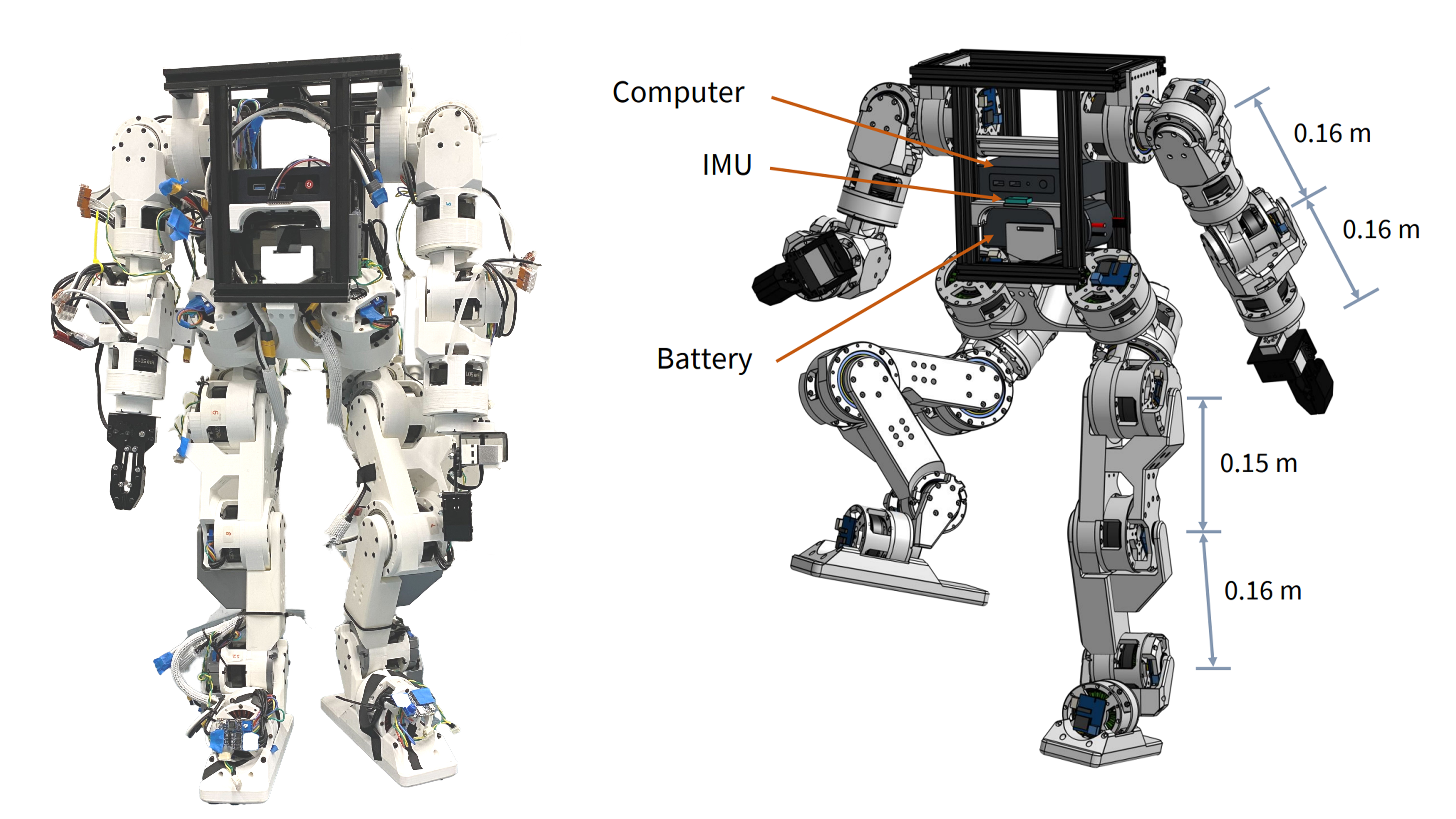
Berkeley Humanoid Lite: Affordable Open-Source Robot with DIY Actuators
Explore the Berkeley Humanoid Lite, a budget-friendly open-source robot featuring 3D-printed actuators under $5,000 USD. Learn how its modular design benefits DIY projects.

Woodstove Safety Monitor: Oru System Alerts Users to Temperature Fluctuations
Discover how the Oru woodstove assistant helps prevent dangerous chimney fires by monitoring exhaust gas temperatures and alerting users to temperature changes.

NES CD Add-On Revives 1980s Gaming with Optical Storage
Explore how a DIY project integrates a CD drive with the NES using an RP2350B microcontroller and Everdrive N8 Pro for expanded storage and audio playback.

Mumbai’s Vile Parle Cypher is giving unheard rappers a voice

Enrich and Ultimo impress

Karnataka CM Signals Review of 5% Park Land Amendment Bill in Assembly

