UN Top Court Declares Clean Environment a Human Right, Setting Global Climate Accountability
The UN's International Court of Justice rules that a clean, healthy environment is a human right, outlining legal obligations for member states to address climate change.

The United Nations' highest court has issued a landmark advisory opinion affirming that a "clean, healthy and sustainable environment" constitutes a fundamental human right. The International Court of Justice (ICJ) ruled on Wednesday that all UN member states have a legal obligation to address climate change through international environmental and human rights law.
The ICJ, in its strongest statement yet on environmental rights, declared that nations must act with "due diligence and cooperation" to prevent greenhouse gas emissions and protect ecosystems. Failure to meet these obligations, the court stated, could result in legal responsibility, including reparations and guarantees against future harm.
"The consequences of climate change are severe and far-reaching," said ICJ President Yuji Iwasawa, emphasizing the existential threat posed by global warming. "These impacts affect both natural systems and human communities, underscoring the urgency of collective action."
The ruling draws from existing international commitments, including the Paris Agreement, Kyoto Protocol, and Biodiversity Convention, as well as human rights treaties such as the UN Universal Declaration of Human Rights. The ICJ reasoned that environmental protection is essential for the enjoyment of many other rights, such as life, health, and food security.
The case was initiated in 2021 by Vanuatu, a Pacific Island nation highly vulnerable to rising sea levels and extreme weather. With support from youth climate activists and other low-lying countries, Vanuatu successfully petitioned the UN General Assembly to seek the ICJ’s opinion on two key questions: the legal obligations of states to protect the environment and the consequences of environmental harm.
While advisory opinions are not legally binding, they carry significant moral and legal weight, shaping international law and influencing future climate litigation. The ICJ’s decision was based on unprecedented global participation—97 nations delivered oral arguments, and 91 submitted written statements.
Reactions to the ruling were swift. Vanuatu’s Prime Minister Jotham Napat called it a "turning point in the fight for climate justice," stating that the decision empowers vulnerable nations in global climate negotiations. "This ruling provides a foundation for stronger action and accountability," he said, "inspiring bold efforts to protect our planet."
Major greenhouse gas emitters, however, had argued during hearings in The Hague that their obligations were limited to the Paris Agreement. The court’s opinion now clarifies that broader international law applies, potentially expanding liability for climate-related damages.
Legal experts suggest the ruling could influence future climate lawsuits, including cases brought by affected communities against governments and corporations. Environmental advocates hope it will accelerate policy shifts toward stricter emissions controls and climate reparations.
The ICJ’s opinion reinforces growing global recognition that environmental protection is inseparable from human rights. While enforcement remains a challenge, the decision marks a critical step in holding nations accountable for their role in the climate crisis.
Comments (0)
No comments yet — be the first to weigh in.

NASA Launches Nancy Grace Roman Telescope to Unlock Universe's Mysteries
NASA's new Nancy Grace Roman Space Telescope lifts off from Florida to study dark energy, exoplanets, and cosmic mysteries with unprecedented precision and scope.

Nature reserves spot rare species during heatwaves
Nature reserves in Hertfordshire and Middlesex have documented rare species this summer, with volunteers spotting wildlife not seen in decades and some even for...

Inmates at HMP La Moye craft boxes to save Jersey's hedgehogs
Prisoners at HMP La Moye have crafted nesting and feeding boxes to support Jersey's hedgehog population, boosting rehabilitation and community engagement.
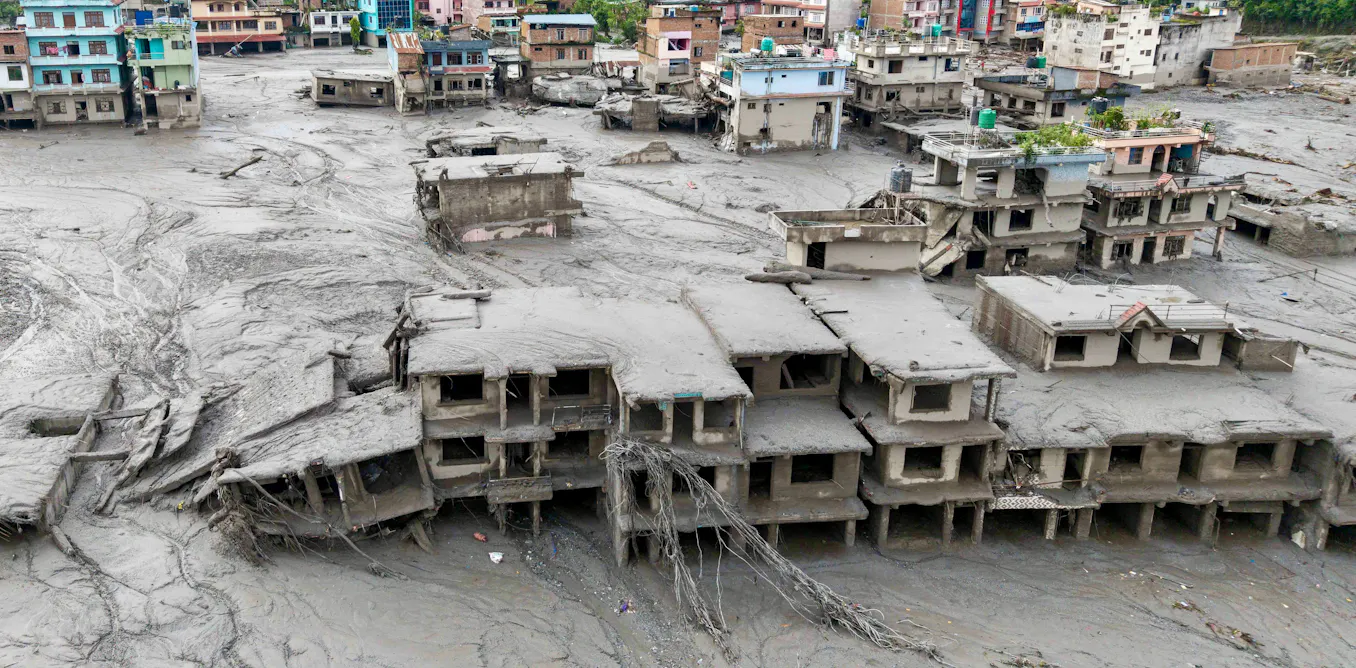
2026 Nepal Flood: Ice‑Rock Avalanche, Glacial Lake Outburst and Climate‑Change Risks
A massive ice‑rock avalanche triggered a catastrophic flood in Nepal on Aug. 26 2026, followed by a glacial lake outburst that devastated towns and hydropower plants. Climate‑change‑driven thawing increased the risk.

Mumbai’s Vile Parle Cypher is giving unheard rappers a voice

Enrich and Ultimo impress

Karnataka CM Signals Review of 5% Park Land Amendment Bill in Assembly

