US Government Auctions $797B in Treasury Securities as 10-Year Yield Hits 4.73%
US Treasury sold $797 billion in securities this week, with yields surging Friday after Fed Chair Warsh's remarks. 10-year yield hit 4.73%, 30-year at 5.22%. Analysts weigh deficit funding strategies and bond market volatility.
The U.S. Department of the Treasury concluded this week with $797 billion in Treasury securities sold across 10 auctions, a routine operation to refinance maturing debt and fund government operations. This week’s sales included $562 billion in Treasury bills (T-bills) maturing in 4 to 26 weeks and $235 billion in Treasury notes across four auctions. Auctions occurred Monday through Thursday, with no sessions held on Friday, when market reactions often differ.
On Friday, Federal Reserve Chair Warsh’s remarks contributed to significant yield increases across the Treasury curve. The 3-year Treasury yield rose 11 basis points to 4.41%, the highest since early 2025, while the 2-year yield jumped 14 basis points to 4.34%. These moves reflected growing market expectations for multiple future rate hikes. The 10-year Treasury yield increased 6 basis points to 4.73%, nearing August highs, and the 30-year yield climbed to 5.22%, the highest since 2007.
The week’s auctions included a $78 billion sale of 2-year notes at a 4.20% yield on Tuesday, below Friday’s closing rate. A $235 billion package of Treasury notes also featured a 2-year Floating Rate Note (FRN) issued at a 0.055% spread, with interest resetting weekly based on the most recent 13-week T-bill yield. Secondary market yields for 5- and 7-year notes also climbed above auction levels by week’s end.
The surge in long-term yields followed a series of unconventional measures by Treasury official Bessent aimed at suppressing borrowing costs ahead of midterm elections. These included coordinated U.S.-Japan yen intervention in late July, expanded buybacks of 10- and 30-year Treasuries announced August 19, and reports about tapping the Treasury General Account to fund buybacks on August 24. Each effort produced only temporary yield declines before markets reverted to prior trends.
Critics, including investor Stanley Druckenmiller, have argued such tactics politicize debt management and risk undermining the Treasury market’s long-standing credibility. The 30-year bond, particularly issues from 2020, has lost over half its value since the end of the 40-year bond bull market in August 2020. Elevated long-term yields now reflect concerns over persistent inflation, deteriorating fiscal conditions, and uncertainty over future Fed policy.
Despite recent increases, yields remain below historical peaks seen before the Federal Reserve’s quantitative easing era. Short-term T-bill yields, more sensitive to Fed policy expectations, also rose on Friday, with the 3-month yield up 6 basis points, the 6-month up 8 basis points, and the 1-year up 11 basis points. The $83 billion 26-week T-bill auction on Monday was priced at a high yield of 3.79%, while secondary market rates adjusted higher after Friday’s moves.
Market participants remain divided on inflation expectations, with the spread between 30-year Treasury yields (5.22%) and 30-year TIPS yields (2.97%) suggesting average inflation expectations of around 2.25% over three decades. Many analysts consider this target unlikely, contributing to cautious demand for long-term bonds and reinforcing upward pressure on yields as new issuance continues.
#USTreasuryAuction #TreasuryYields #FederalReserve #BessentPolicy #30YearBond #FixedIncomeMarkets #DebtManagement
Comments (0)
No comments yet — be the first to weigh in.

Free School Uniform Swap Shop Saves Welsh Families £50m Annually
A Cardiff father's school uniform swap shop initiative has grown to 200 schools, helping Welsh families save £50m yearly while promoting sustainability and reducing clothing waste.

Poland, US Explore Permanent Military Bases: Defense Talks Underway
Poland and the US are discussing permanent American military bases in Poland, focusing on defense capabilities rather than troop numbers. Nuclear warheads are not part of the plans.

Taxpayers Lost $65B to Obamacare Fraud in 2024; Feds Crack Down
A Paragon Health Institute report reveals $65 billion in taxpayer losses due to Obamacare and Medicaid fraud in 2024, with improper enrollments rising in 2025.
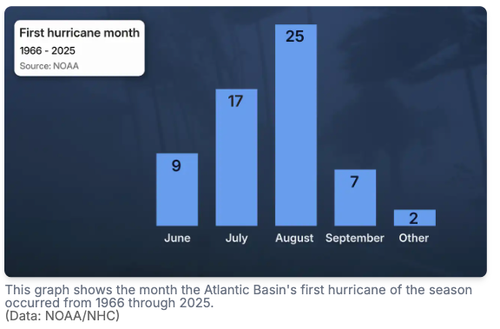
El Niño Delaying 2026 Atlantic Hurricane Season as Dolly Nears Florida
El Niño's wind shear suppresses 2026 Atlantic hurricane activity, delaying first hurricane as Tropical Storm Dolly's remnants approach Florida and the Caribbean.

Mumbai’s Vile Parle Cypher is giving unheard rappers a voice

Enrich and Ultimo impress

Karnataka CM Signals Review of 5% Park Land Amendment Bill in Assembly

