US Immigration Policies Push Top AI Talent Away, Benefiting China
Proposed US visa fees and restrictions risk driving away international AI researchers, with China and other nations stepping in to attract top talent.

The Trump administration has proposed significant changes to U.S. immigration policies, including new fees for H-1B visas and a potential $100,000 charge for Optional Practical Training (OPT), which allows international graduates to work in the U.S. for one to three years after completing their degrees. Approximately 419,000 individuals were enrolled in OPT programs in 2024, a factor that often influences international students' decisions to study in the U.S. rather than in countries like Canada, the U.K., or Australia.
These policy shifts come amid growing concerns about the U.S.'s ability to retain top global talent, particularly in the field of artificial intelligence (AI). Recent headlines highlighted the departure of Yang Zhilin, a highly skilled AI researcher who returned to China to establish Moonshot AI, a company whose Kimi K3 open model has been compared to those developed by OpenAI and Anthropic. Despite earning a Ph.D. from Carnegie Mellon University, interning at Google and Meta, and receiving a job offer from Apple, Yang chose to build his company in China, citing the limitations of the U.S. visa system.
Experts have suggested attaching a green card to every AI Ph.D. diploma, but this approach assumes that top talent prefers to work for major tech firms before launching their own ventures—a model that no longer aligns with current industry dynamics. AI has accelerated innovation to such an extent that founders are launching companies in their mid-20s, often straight out of or even before completing their doctoral studies. Given that more than two-thirds of these individuals are foreign nationals, the U.S. risks losing potential leaders in the field if it continues to impose restrictive immigration policies.
The U.S. has historically benefited from its openness to immigration, with immigrants accounting for 40% of Nobel Prizes awarded to Americans in chemistry, medicine, and physics since 2000, according to the National Foundation for American Policy. However, recent policy changes—such as reducing the post-graduation grace period from 60 to 30 days and considering the end of birthright citizenship—may deter future talent. Other countries, including Canada, Australia, and France, have already begun capitalizing on these shifts by launching recruitment campaigns targeting researchers based in the U.S.
China, in particular, has made significant strides in attracting top talent through initiatives like the Thousand Talents Plan, which has brought back over 7,000 researchers in the past decade. The country has also increased funding for research, while U.S. science funding has declined. This trend is exemplified by Omar Yaghi, a Nobel laureate in chemistry who recently left his position at the University of California, Berkeley, to lead an AI-driven materials discovery institute at Tsinghua University in Beijing.
If the U.S. continues to tighten its immigration policies, it risks ceding its leadership in AI and other critical fields. Some have proposed creating an Office of Strategic Human Capital to identify and retain top international AI talent by offering long-term visas and funding. As the U.S. and China prepare for AI-related talks in September, the discussion will likely focus on export controls rather than the human capital flight that is reshaping global innovation. For decades, the U.S. was the premier destination for immigrant talent, but the door now swings both ways. Without meaningful reform, the U.S. may find itself on the losing side of this competition.
Comments (0)
No comments yet — be the first to weigh in.

Energy biz SSE smacked around in court by a guy and AI
An Oxford doctoral student has defeated British energy provider SSE Energy Supply in court after utilizing artificial intelligence models to build his legal def...
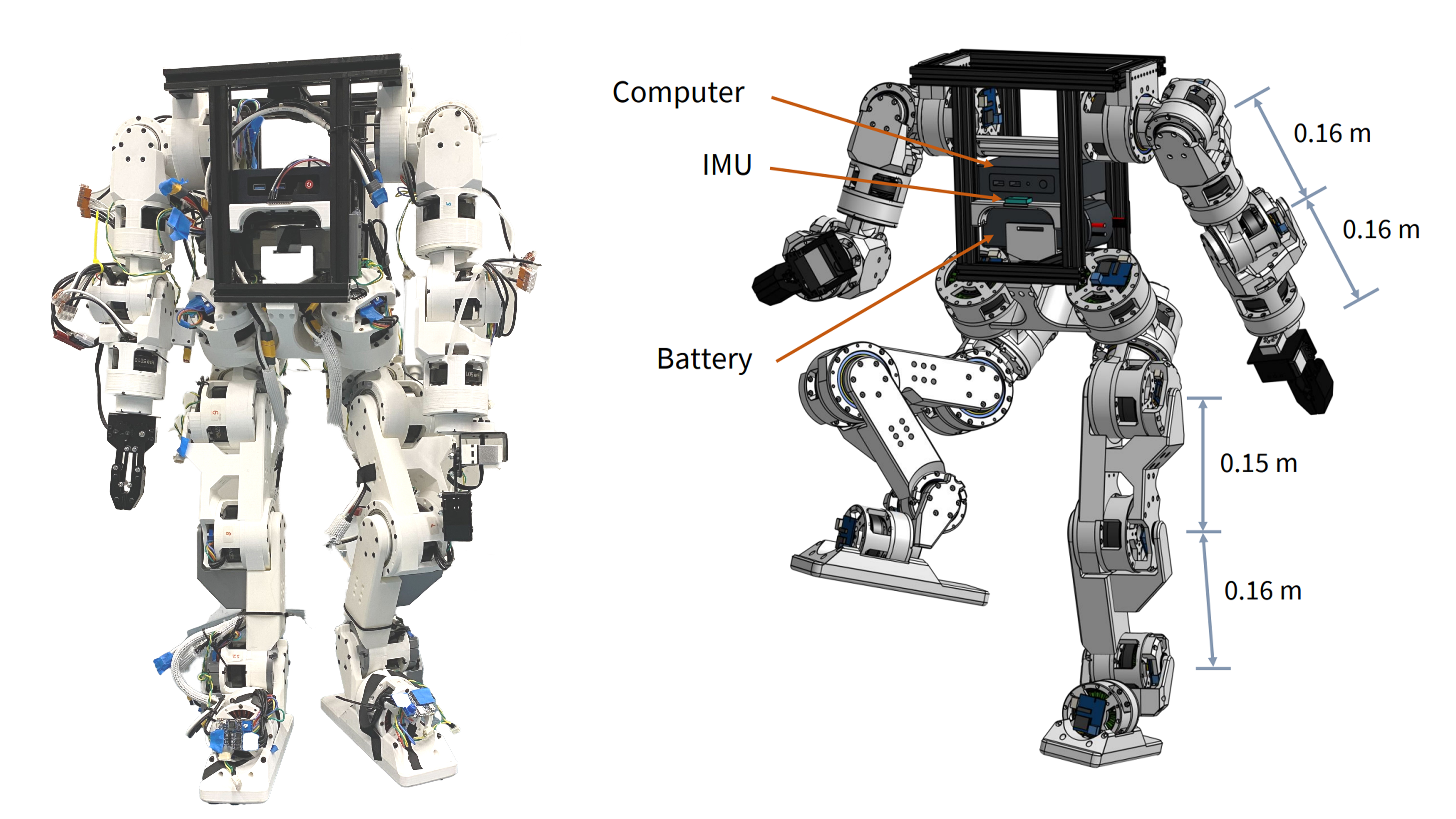
Berkeley Humanoid Lite: Affordable Open-Source Robot with DIY Actuators
Explore the Berkeley Humanoid Lite, a budget-friendly open-source robot featuring 3D-printed actuators under $5,000 USD. Learn how its modular design benefits DIY projects.

Woodstove Safety Monitor: Oru System Alerts Users to Temperature Fluctuations
Discover how the Oru woodstove assistant helps prevent dangerous chimney fires by monitoring exhaust gas temperatures and alerting users to temperature changes.
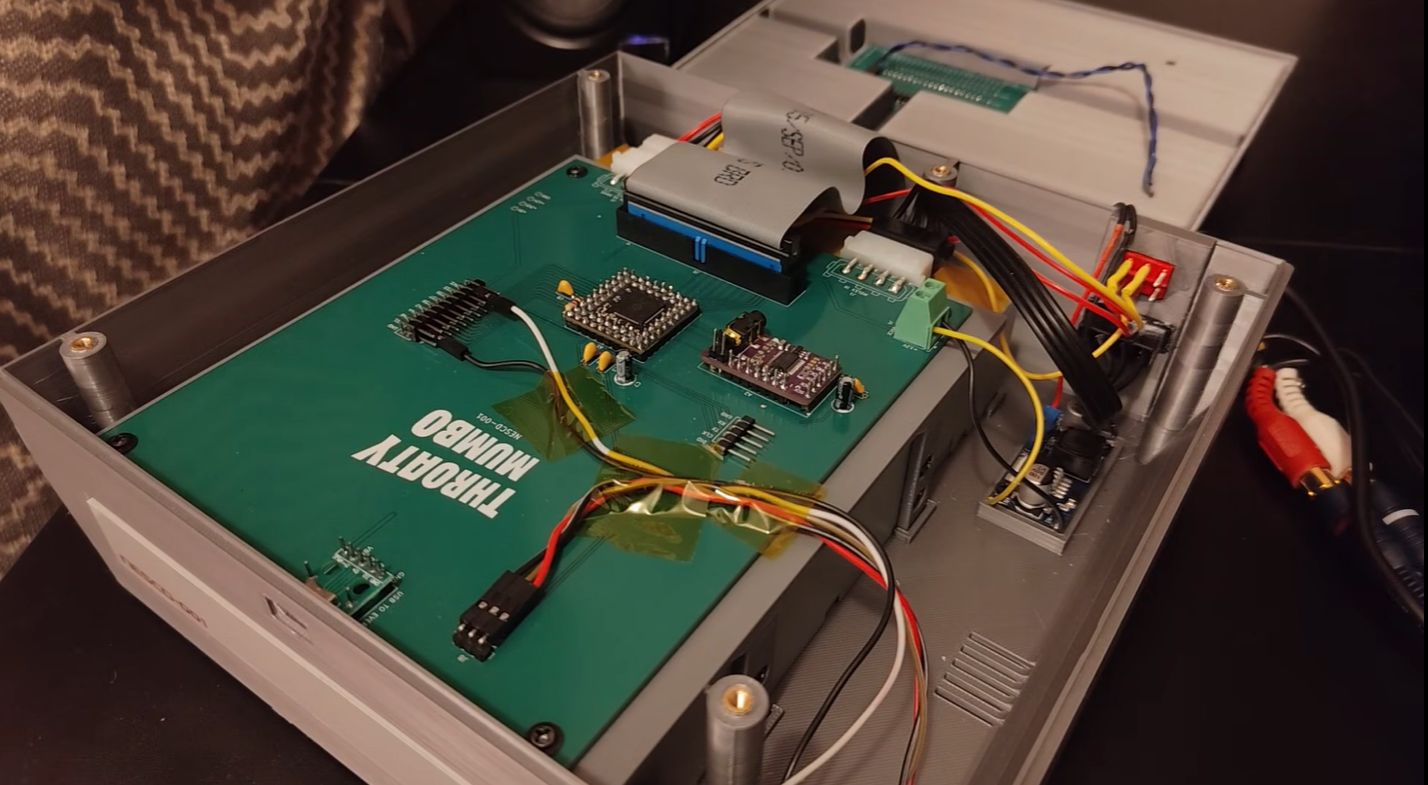
NES CD Add-On Revives 1980s Gaming with Optical Storage
Explore how a DIY project integrates a CD drive with the NES using an RP2350B microcontroller and Everdrive N8 Pro for expanded storage and audio playback.

Mumbai’s Vile Parle Cypher is giving unheard rappers a voice

Enrich and Ultimo impress

Karnataka CM Signals Review of 5% Park Land Amendment Bill in Assembly

