US Treasury Interest Payments Rise 7B; Debt‑to‑GDP Ratio Drops Slightly in Q2 2026
In Q2 2026 the U.S. paid $312 bn in Treasury interest, up $7 bn from Q1. Tax receipts hit $952 bn, a $20 bn rise. Debt‑to‑GDP fell to 121.5% as GDP grew faster than debt.
Federal interest payments on the $40 trillion U.S. Treasury debt reached $312 billion in the second quarter of 2026, up $7 billion from the previous quarter, according to federal data. Over the past 12 months, interest payments totaled a record $1.22 trillion, a 240% increase since mid-2020 when the Federal Reserve suppressed borrowing costs.
Tax receipts, the funds available to cover government expenses, rose by $20 billion in Q2 compared to Q1, reaching $952 billion. Year-over-year, tax receipts increased by $95 billion, driven by a $487 billion jump over the past 12 months to $3.76 trillion. However, net tariff revenues turned negative in Q2, totaling -$3.5 billion due to refunds issued after the Supreme Court invalidated portions of tariff laws. In the prior quarter, net tariffs had been $71 billion.
Interest payments consumed 32.5% of available tax receipts in Q2, a figure that peaked at 37.5% in Q3 2024—the highest since 1996. The average interest rate on Treasury debt edged up to 3.45% in July from 3.33% in March, as lower-yielding maturing securities were replaced with higher-yielding new issuances.
The U.S. debt-to-GDP ratio slightly improved to 121.5% in Q2, as nominal GDP grew 1.9% to $32.5 trillion, outpacing the 1.0% increase in Treasury debt to $39.5 trillion. This reduction reflects the strategy of allowing nominal economic growth to exceed debt growth, easing the relative burden of debt despite rising absolute levels. The Federal Reserve’s rate cuts in late 2024 and 2025, despite elevated inflation, suggest implicit support for this approach.
The deficit-to-GDP ratio remains persistently high, projected around 6% for fiscal 2026 by the Congressional Budget Office. Congress has shown little inclination to curb spending or address long-term fiscal imbalances, with recent legislative actions—such as tax cuts and increased defense spending—expected to worsen the deficit. Analysts note that without fiscal restraint, inflation and nominal GDP growth may be the primary means of reducing debt pressure.
The long-term trajectory remains concerning. The debt-to-GDP ratio surged during the 2020 pandemic due to emergency spending and collapsed GDP, then moderated through 2022. Since 2022, however, the ratio has trended upward, driven by sustained deficits exceeding 6% of GDP even amid strong economic growth. Critics argue that unchecked fiscal policy in Washington continues to fuel this imbalance.
Federal data indicates that rising debt servicing costs are increasingly diverting revenue from other government functions, highlighting the growing strain on the nation’s fiscal outlook.
Comments (0)
No comments yet — be the first to weigh in.

Free School Uniform Swap Shop Saves Welsh Families £50m Annually
A Cardiff father's school uniform swap shop initiative has grown to 200 schools, helping Welsh families save £50m yearly while promoting sustainability and reducing clothing waste.

Poland, US Explore Permanent Military Bases: Defense Talks Underway
Poland and the US are discussing permanent American military bases in Poland, focusing on defense capabilities rather than troop numbers. Nuclear warheads are not part of the plans.

Taxpayers Lost $65B to Obamacare Fraud in 2024; Feds Crack Down
A Paragon Health Institute report reveals $65 billion in taxpayer losses due to Obamacare and Medicaid fraud in 2024, with improper enrollments rising in 2025.
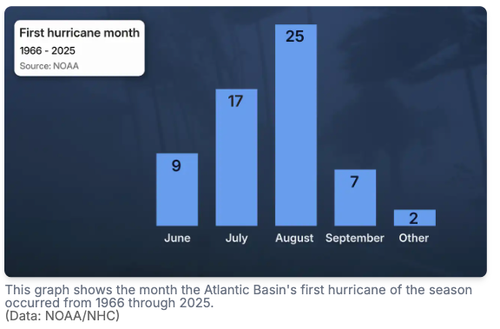
El Niño Delaying 2026 Atlantic Hurricane Season as Dolly Nears Florida
El Niño's wind shear suppresses 2026 Atlantic hurricane activity, delaying first hurricane as Tropical Storm Dolly's remnants approach Florida and the Caribbean.

Mumbai’s Vile Parle Cypher is giving unheard rappers a voice

Enrich and Ultimo impress

Karnataka CM Signals Review of 5% Park Land Amendment Bill in Assembly

