Virginia and Leonard Woolf's Hogarth Press Gets an Exhibition of Its Own
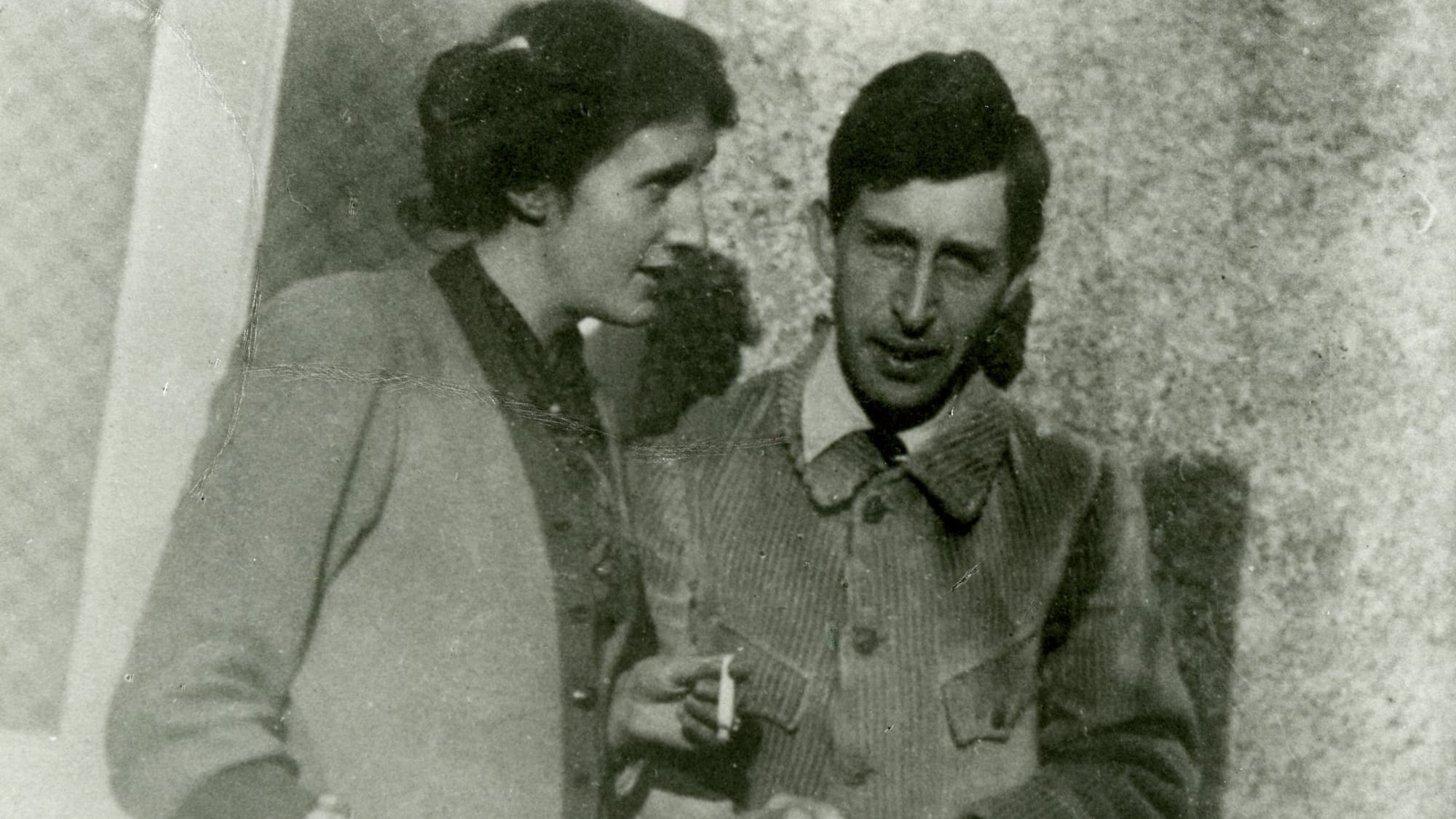
Virginia and Leonard Woolf’s Hogarth Press, a landmark in 20th-century publishing, is the focus of a new exhibition at Charleston in Sussex. The display, housed in a building near the famed artists’ home, traces the press’s history through approximately 200 original publications, offering insight into one of Britain’s most influential literary ventures. Organized by curators Ben Majchrowicz and Stephen Barkway, the exhibition runs through September 6 at Charleston Farmhouse in Firle, East Sussex.
The Hogarth Press began in 1917 when the Woolfs, both writers and intellectuals, purchased a hand-operated printing press and set it up in the basement of their London home, Hogarth House. Their decision to self-publish was driven by frustration with traditional publishing constraints. Virginia Woolf, daughter of historian and editor Sir Leslie Stephen, sought creative control over her work. The press allowed her to bypass editorial interference and publish her own novels, including Jacob’s Room (1922), in formats designed by her sister, painter Vanessa Bell. The exhibition features a dedicated bookcase showcasing these works, highlighting the close collaboration between the two sisters.
Beyond Virginia’s own writing, the Hogarth Press became a platform for experimental and avant-garde literature. It published established figures such as E.M. Forster and introduced British readers to groundbreaking works, including the first complete UK edition of T.S. Eliot’s *The Waste Land* in 1922. Eliot, a frequent visitor to Hogarth House, was among those who benefited from the press’s willingness to take creative risks. Virginia Woolf, known for her sharp observations, once humorously described Eliot as “a glorified boy scout,” though she acknowledged his depth and integrity.
The press’s origins are tied to Charleston Farmhouse, a former sheep barn purchased by Vanessa Bell and artist Duncan Grant in 1916. The property, located near Firle in Sussex, became the heart of the Bloomsbury Group, a collective of writers, artists, and intellectuals who shaped modernist culture. After Virginia and Leonard Woolf moved nearby, the farmhouse served as a gathering place for the group, whose influence extended across literature, art, and social thought.
The current exhibition at Charleston not only celebrates the Hogarth Press’s publications but also its role in nurturing new talent and preserving experimental voices. By making around 200 original books available to the public, the display offers a tangible connection to a publishing legacy that redefined literary production in the early 20th century.
#VirginiaWoolf #HogarthPress #CharlestonFarmhouse #BloomsburyGroup #Sussex #ModernistLiterature #TSEliot #LiteraryHistory
Comments (0)
No comments yet — be the first to weigh in.
Yayoi Kusama’s Death Signals a Kind Fall for Art and Humanity
Hyperallergic reflects on the passing of Yayoi Kusama, Dolly Parton, and Sliman Mansour, while exploring loneliness, AI, and art's role in a changing world.

Tessa Hulls on Her Graphic Memoir 'Feeding Ghosts' on Longform Podcast #571
Writer and artist Tessa Hulls discusses her graphic memoir Feeding Ghosts and the project she spent her life avoiding, on Longform Podcast #571.

Derek Thompson on Longform Podcast: Solving Life's Mysteries Through Writing
Derek Thompson, Atlantic staff writer and Plain English host, discusses his career as a 'dilettante' and love for uncovering mysteries in his Longform Podcast interview.

Rozina Ali on Longform Podcast #573 Discussing Her Career and Reporting
Rozina Ali, a New York Times Magazine writer and National Magazine Award winner, joins the Longform Podcast to discuss her career and latest reporting.

Mumbai’s Vile Parle Cypher is giving unheard rappers a voice

Enrich and Ultimo impress

Karnataka CM Signals Review of 5% Park Land Amendment Bill in Assembly

