Warning of fresh danger from rising lake water in Nepal – as it happened
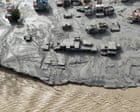
Authorities in Nepal and the neighboring Tibet region remain on high alert as rising water levels in high-altitude glacial lakes present a renewed threat of catastrophic flooding, three days after severe natural disasters began impacting the Himalayan border region. Emergency response teams and disaster management agencies are continuing intensive monitoring operations across vulnerable river valleys as floodwaters threaten to breach natural barriers and submerge downstream settlements.
The ongoing crisis was triggered by rapid water accumulation in high-altitude lakes along the Nepal-Tibet border, exacerbated by intense seasonal precipitation. Over the past 72 hours, swollen water bodies have released powerful torrents down major river channels, causing widespread damage to local infrastructure, residential areas, and agricultural land. Transport networks along critical cross-border trade corridors have been severely impaired after landslides and flash floods washed away sections of primary highways and damaged vital bridges.
Local administrative bodies across several districts in northern Nepal have ordered precautionary evacuations for communities situated along the direct path of the rising waters. Displaced residents are being relocated to temporary relief shelters established on safer, elevated ground. Emergency personnel are working to distribute essential supplies, including clean water, food rations, and medical aid, despite significant logistical hurdles caused by severed road links.
Disaster management experts warn that the physical geography of the Himalayas significantly heightens the speed and destructive potential of such floods. Glacial lake outburst floods occur when natural dams composed of ice and loose rock fail, releasing millions of cubic meters of water and debris within hours. Rising temperatures in recent years have accelerated glacial retreat across the mountain range, leading to the formation of numerous expanding lakes that pose severe long-term hazards to mountain communities.
Cross-border coordination between Nepalese and Chinese officials has been established to monitor hydrological shifts and share real-time telemetry from high-altitude monitoring stations. Specialized survey teams are utilizing satellite imagery and aerial surveillance to assess the structural integrity of remote lake barriers that remain inaccessible by land. Meanwhile, engineering units equipped with heavy machinery are working to clear massive mudslides and debris blocking primary access routes.
As search, rescue, and relief operations enter their third full day, humanitarian organizations are turning attention toward secondary risks, including soil instability and potential public health challenges in temporary displacement camps. Local authorities have emphasized that the threat remains active, instructing residents in vulnerable zones to remain vigilant, observe official warnings, and avoid returning to low-lying areas until water levels drop and ground stability is verified by structural experts.
Comments (0)
No comments yet — be the first to weigh in.

Iran-US Tensions Escalate Amid Hormuz Strait Crisis – Live Updates
Iranian President Pezeshkian seeks diplomatic solutions with global leaders at SCO summit in Kyrgyzstan amid rising US tensions over Hormuz Strait.

Search continues for 18 passengers after ferry capsized in northern Cyprus
Search and rescue operations are continuing off the coast of Kyrenia in northern Cyprus after a passenger ferry capsized and sank on Sunday, leaving at least ei...

Swiss Man Arrested After Deadly Rave Shooting Kills Italian Woman
A 43-year-old Swiss suspect has been arrested after a shooting at a techno rave in Aarau left one woman dead and several others injured. Authorities continue their investigation.

England attack's 2005 comparisons fair - Trescothick
England’s new pace attack is drawing comparisons to the legendary Ashes-winning quartet of 2005, according to interim head coach Marcus Trescothick. The current...

Mumbai’s Vile Parle Cypher is giving unheard rappers a voice

Enrich and Ultimo impress

Karnataka CM Signals Review of 5% Park Land Amendment Bill in Assembly

