'What you see is what you pay' - why some US restaurants are banning tips

A small number of U.S. restaurants are eliminating traditional tipping in favor of higher menu prices and fixed hourly wages for their staff. Restaurant owners adopting the gratuity-free model say it promotes income stability and addresses long-standing pay inequities between kitchen workers and front-of-house servers, though industry experts warn the system faces steep economic challenges.
At La Cigale in San Francisco, dining costs a set $140 per person, and tipping is explicitly prohibited. The venue pays wine waiter Caroline Kraetzer $40 an hour, roughly double the standard local rate for service staff. Kraetzer said the model removes the uncertainty of relying on customer generosity, particularly during pre-service setup and post-closing hours when servers traditionally earn only minimum wage.
Other restaurateurs have adopted the practice to create fairer working conditions. Rachel Miller, chef and owner of Nightshade Noodle Bar in Lynn, Massachusetts, transitioned to a tip-free model five years ago. Miller increased tasting menu prices to between $102 and $126 to cover higher staff wages, aiming to narrow the pay gap between service staff and behind-the-scenes kitchen employees. Miller noted that tipping allows customers to unconsciously alter pay based on race, gender, or sexuality, adding that guaranteed wages have helped reduce staff turnover.
Early adopters report similar benefits. Amanda Cohen, owner of the New York vegetarian restaurant Dirt Candy, eliminated tipping in 2015 and pays staff roughly $30 an hour. Cohen said guests are often pleasantly surprised to find that a 20 percent tip is not added to their final bill. Former server Cassidy Van der Kamp, who created a documentary on the subject, said earning a predictable $21 an hour provided financial stability and eliminated the stress of fluctuating tip amounts.
However, the transition carries financial risks, leading some establishments to revert to standard tipping. Talulla, a restaurant in Cambridge, Massachusetts, eliminated tips in 2020 by raising menu prices by 23 percent. Co-owner Danielle Ayer said the business returned to a tipped model last September because operating without tips proved too expensive to sustain.
Under U.S. tax policy, tips do not count as restaurant revenue, but higher menu prices do. Consequently, venues that raise prices to pay higher wages face increased gross revenue and higher sales tax obligations.
William Michael Lynn, a professor of food and beverage management at Cornell University, explained that higher upfront menu prices often intimidate consumers, who fail to account for the absence of an added tip. Lynn noted that this psychological barrier leads to lower overall dining demand. Additionally, gratuity-free restaurants often struggle to recruit experienced servers who prefer the higher earning potential of traditional tipping.
While consumer frustration with expanding tip requests—often called tipping fatigue—is on the rise, Lynn does not expect widespread elimination of tipping anytime soon. He stated that the economic disadvantages of removing tipping currently outweigh the benefits for most restaurant operators.
Comments (0)
No comments yet — be the first to weigh in.

Free School Uniform Swap Shop Saves Welsh Families £50m Annually
A Cardiff father's school uniform swap shop initiative has grown to 200 schools, helping Welsh families save £50m yearly while promoting sustainability and reducing clothing waste.

Poland, US Explore Permanent Military Bases: Defense Talks Underway
Poland and the US are discussing permanent American military bases in Poland, focusing on defense capabilities rather than troop numbers. Nuclear warheads are not part of the plans.
Taxpayers Lost $65B to Obamacare Fraud in 2024; Feds Crack Down
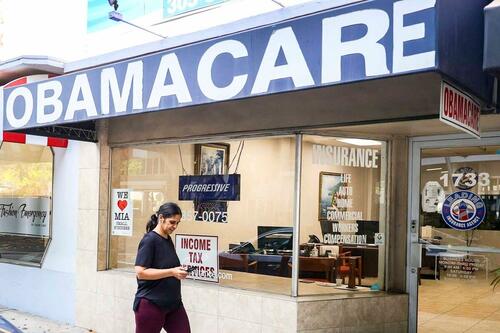
A Paragon Health Institute report reveals $65 billion in taxpayer losses due to Obamacare and Medicaid fraud in 2024, with improper enrollments rising in 2025.
El Niño Delaying 2026 Atlantic Hurricane Season as Dolly Nears Florida
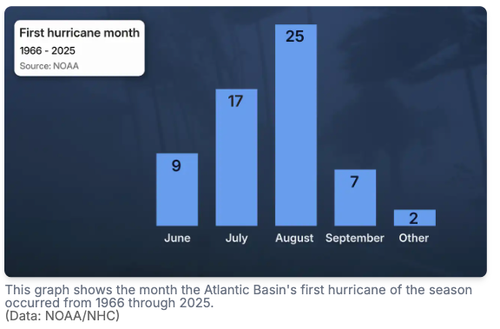
El Niño's wind shear suppresses 2026 Atlantic hurricane activity, delaying first hurricane as Tropical Storm Dolly's remnants approach Florida and the Caribbean.

Mumbai’s Vile Parle Cypher is giving unheard rappers a voice

Enrich and Ultimo impress

Karnataka CM Signals Review of 5% Park Land Amendment Bill in Assembly

