Why Are People Rejecting Smartphones and Social Media in 2024?
Explore the growing backlash against digital overload as The Atlantic's new podcast 'How to Touch Grass' examines why people are seeking a healthier relationship with technology.
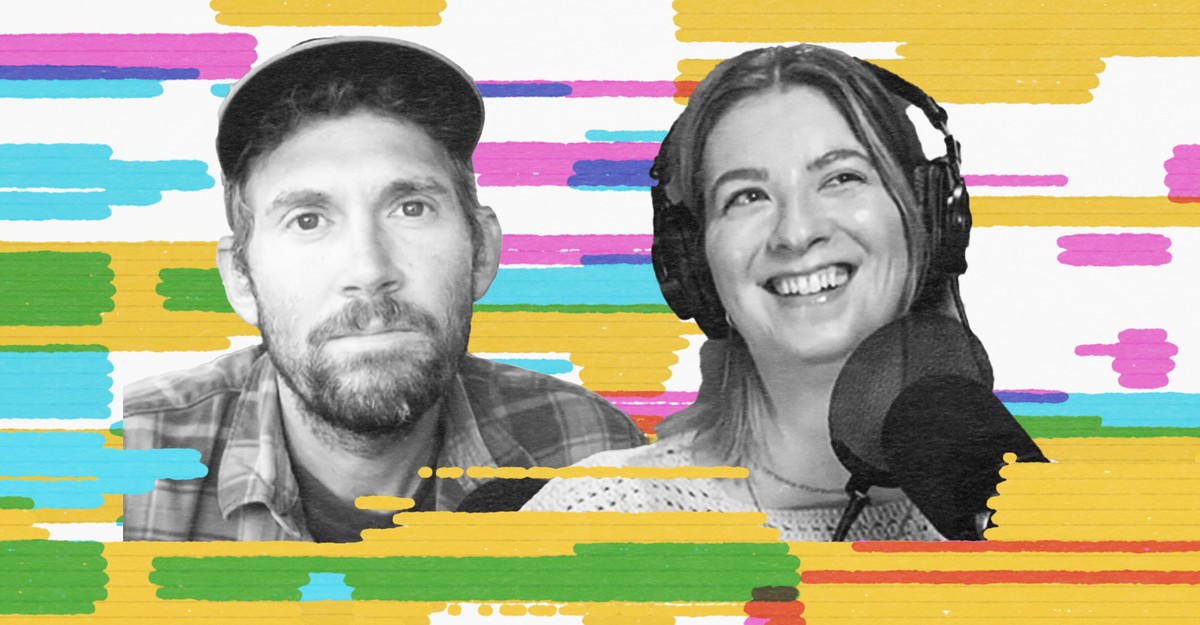
Julie Beck, staff writer at The Atlantic, explores the growing fatigue with digital technology in a new five-part podcast series, "How to Touch Grass," which examines why many are seeking to renegotiate their relationship with their devices. The series, released by The Atlantic, delves into the psychological and cultural shifts driving this trend, as discussed in a recent episode of Galaxy Brain, hosted by Charlie Warzel.
Beck and Warzel examined the broader "scrolling backlash" phenomenon, where people express frustration with constant connectivity, algorithmic manipulation, and the feeling of losing control over their attention. This sentiment has been reflected in cultural shifts, from artists discouraging phone use at concerts to concerns about younger generations' declining reading abilities. Warzel had predicted this backlash earlier this year, noting that it stems from a deeper dissatisfaction with how big tech influences daily life.
The podcast series investigates why this moment feels different from past technological disruptions. Beck highlighted a personal observation: after repeatedly deleting and reinstalling TikTok—often due to memes sent by friends—she noticed an increase in content promoting digital detoxes and analog living. This irony, she noted, reflects a cultural shift where people are questioning the unchecked use of social media and short-form video platforms.
Beck attributed this growing backlash to several factors. First, the prolonged exposure to smartphones and social media has diminished their novelty, making users more aware of their negative effects. Second, high-profile controversies, such as lawsuits against Instagram over mental health concerns and debates about children's access to social media, have amplified public scrutiny. Third, the rise of artificial intelligence (AI) has intensified fears about technology replacing human relationships, prompting a renewed appreciation for embodied experiences.
The series also explores nostalgia, a recurring theme in discussions about digital fatigue. Warzel and Beck questioned whether this moment is uniquely damaging to cognition or if it simply feels different due to the scale and speed of modern technology. Beck suggested that while people have always sought balance, the current wave of backlash is distinct in its visibility and cultural discourse.
Through interviews and personal reflection, "How to Touch Grass" aims to provide insights into reclaiming agency over technology use. The podcast challenges listeners to consider how they can engage with digital tools without being consumed by them.
#TechBacklash #DigitalWellbeing #TheAtlantic #GalaxyBrain #JulieBeck #CharlieWarzel #SocialMediaCritique #AIConcerns
Comments (0)
No comments yet — be the first to weigh in.

Global AI Risks Demand International Safeguards, Experts Warn
Experts urge coordinated global action to prevent AI-driven disasters, highlighting systemic risks beyond dramatic 'AI takeover' scenarios.

French Sundays: The Secret to Guilt‑Free Relaxation and Happiness
Explore how France’s closed‑store Sundays foster family time, slow meals, and guilt‑free leisure—an antidote to modern hustle and a lesson for happier living.

Global rare earth supply chains: Why securing essential minerals is critical
China dominates rare earth mining and processing, prompting global supply chain concerns. Explore the geopolitical and economic risks and emerging solutions.

Germany's far-right AfD gains ground: Why mainstream parties must act now
Germany's AfD nears power in state elections as economic discontent fuels far-right growth. Mainstream parties face calls for bolder responses to counter rising extremism.

Mumbai’s Vile Parle Cypher is giving unheard rappers a voice

Enrich and Ultimo impress

Karnataka CM Signals Review of 5% Park Land Amendment Bill in Assembly

