Why Federal Reserve Accountability Matters for Economic Stability
As calls for Federal Reserve accountability grow amid political pressure, experts debate transparency and oversight to balance independence with democratic legitimacy.
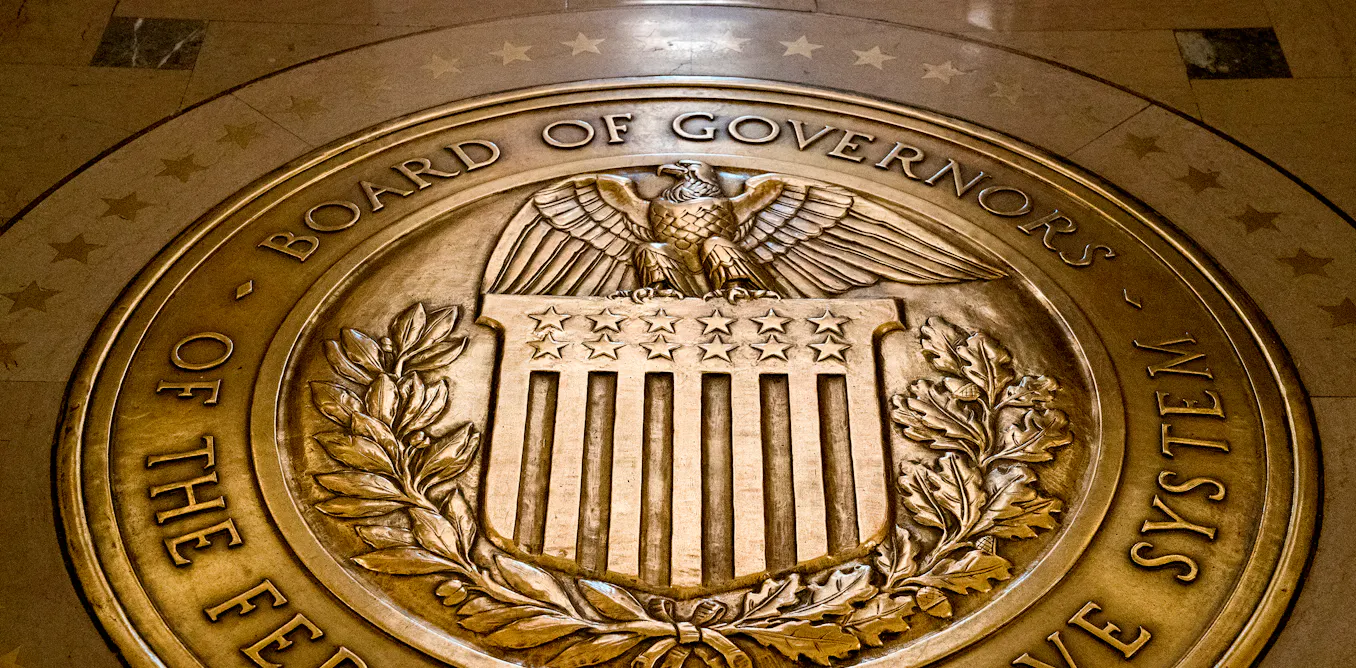
The Federal Reserve, one of the world's most influential economic institutions, wields vast authority over U.S. monetary policy, shaping everything from mortgage rates to business investment. Its decisions ripple through the economy, affecting the financial lives of Americans whether they recognize it or not. Critics from across the political spectrum have long questioned whether the Fed, insulated from direct political control, is sufficiently accountable to Congress and the public—especially as its role has expanded since the 2008 financial crisis.
The debate over the Fed’s accountability resurfaced this week as new Chair Kevin Warsh delivered his first keynote speech at the Federal Reserve’s annual symposium in Jackson Hole, Wyoming. While no policy changes were expected, the gathering provided an opportunity for central bankers and policymakers to exchange ideas behind closed doors. For many Americans, the Fed remains an opaque institution, despite efforts to increase transparency. Scholars of central banking argue that greater accountability could actually strengthen the Fed’s independence by reinforcing its democratic legitimacy.
The Fed’s unique structure has long set it apart from other federal agencies. Created in 1913, it operates with considerable autonomy, funding itself through earnings from its investments rather than congressional appropriations. Its governors serve 14-year terms and can only be removed “for cause,” a far stricter standard than the at-will employment used elsewhere in government. Even its inspector general is appointed by the Fed chair, not by lawmakers or the president, raising concerns about oversight—or, as some critics describe it, “undersight.”
Congress has attempted to impose accountability measures before. In 1978, amid stagflation and soaring inflation, lawmakers passed the Humphrey-Hawkins Act, requiring the Fed chair to testify before Congress twice a year—a rare formal channel of oversight. That same year, the Federal Banking Agency Audit Act authorized the Government Accountability Office (GAO) to audit the Fed, though with a critical exception: the monetary policymaking process itself remained off-limits to prevent political interference in interest-rate decisions.
The Fed’s role has grown dramatically since the 2008 financial crisis, when it expanded its emergency lending programs and launched quantitative easing—purchasing trillions of dollars in government and mortgage-backed securities to stimulate the economy. At its peak in 2022, the Fed’s balance sheet swelled to nearly $9 trillion, though it has since declined to about $6.7 trillion. These interventions blurred the line between monetary and fiscal policy, raising questions about whether such far-reaching economic decisions should face greater scrutiny.
Some economists, like former Fed staffer Andrew Levin, argue that the central bank’s governance structure no longer ensures it serves the public interest. Levin has proposed shorter terms for Fed officials, a more transparent process for selecting regional Fed presidents, and regular GAO reviews of the Fed’s policies. Others, including former Fed Vice Chair Donald Kohn, warn that premature audits could disrupt internal deliberations by granting access to confidential discussions before the standard five-year delay for releasing transcripts.
As Warsh settles into his new role, he has already initiated procedural reforms, including task forces to review the Fed’s communication strategies. These changes present an opportunity to redefine accountability—not as a threat to independence, but as a necessary foundation for it. The challenge remains balancing transparency and oversight without compromising the Fed’s ability to make independent, long-term economic decisions.
Comments (0)
No comments yet — be the first to weigh in.

NASA Launches Nancy Grace Roman Telescope to Unlock Universe's Mysteries
NASA's new Nancy Grace Roman Space Telescope lifts off from Florida to study dark energy, exoplanets, and cosmic mysteries with unprecedented precision and scope.

Nature reserves spot rare species during heatwaves
Nature reserves in Hertfordshire and Middlesex have documented rare species this summer, with volunteers spotting wildlife not seen in decades and some even for...

Inmates at HMP La Moye craft boxes to save Jersey's hedgehogs
Prisoners at HMP La Moye have crafted nesting and feeding boxes to support Jersey's hedgehog population, boosting rehabilitation and community engagement.
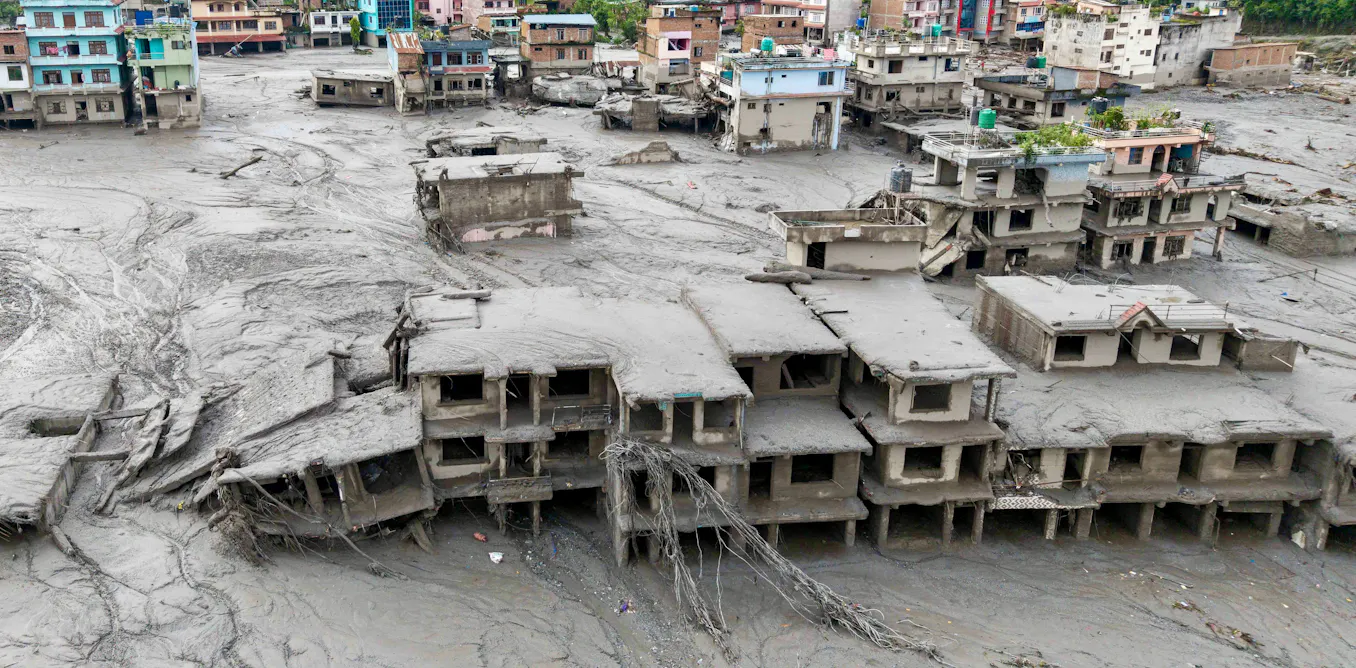
2026 Nepal Flood: Ice‑Rock Avalanche, Glacial Lake Outburst and Climate‑Change Risks
A massive ice‑rock avalanche triggered a catastrophic flood in Nepal on Aug. 26 2026, followed by a glacial lake outburst that devastated towns and hydropower plants. Climate‑change‑driven thawing increased the risk.

Mumbai’s Vile Parle Cypher is giving unheard rappers a voice

Enrich and Ultimo impress

Karnataka CM Signals Review of 5% Park Land Amendment Bill in Assembly

