Cambodia's Renewable Energy Surge: How Global Support Can Boost Goals
Cambodia aims for 70% renewable energy by 2030, but structural barriers and financing gaps require global cooperation and support for success.

Cambodia is making significant progress in shifting from coal and imported electricity to renewable energy, with renewables now accounting for nearly half of its electricity mix. The country has set an ambitious target to source 70% of its total power capacity from renewables by 2030, a goal experts say is achievable with continued global support and cooperation.
The recent momentum toward establishing a formal process to assist countries in transitioning away from fossil fuels, known as the Transition Away From Fossil Fuels (TAFF) initiative, has been encouraging. This roadmap process, championed by the COP30 Brazil presidency and discussed at the Santa Marta conference in Colombia, reflects a growing willingness among nations to invest in a just and orderly energy transition.
The global energy crisis has underscored the vulnerabilities of relying on imported fossil fuels, which threaten economic competitiveness and energy security. Families, particularly those with lower incomes, have faced severe financial strain due to high costs of transport, food, and electricity. While Cambodia has managed to mitigate some of these impacts through its renewable energy investments, Southeast Asia as a whole remains vulnerable to oil price shocks, having experienced two devastating shocks in the past decade.
Given the uncertain energy landscape, the region cannot afford to revert to dependence on foreign fuel supplies. As a leader in clean energy within Southeast Asia, Cambodia is well-positioned to advocate for the importance of energy transition across the region. However, achieving this transition will require a new international governance framework and coordinated plans to overcome structural barriers such as upgrading grid infrastructure, managing limited fiscal resources, and addressing the high upfront costs of renewable energy projects.
To meet its 70% renewables target, the Cambodian government is addressing these challenges with support from global financial institutions. For example, the $110 million World Bank credit allocated to Cambodia in June 2026 for the Sustainable Energy Transition Project will help finance smart grids, high-voltage transmission lines, and large-scale battery energy storage systems—critical components for integrating more renewable energy into the grid.
Global initiatives, including plans by the COP31 Türkiye presidency to promote electrification and set a target for electricity to provide 35% of final energy consumption by 2035, offer promising opportunities for countries like Cambodia. The country has already made strides in electrification, with electric vehicle registrations increasing by 127% year-on-year in 2025. In April, the government eliminated import taxes and duties on solar and energy storage technologies, a move expected to reduce renewable project costs by 7% to 30%.
Energy analyst Ember has highlighted a growing trend in Asia where countries that developed electronics manufacturing capabilities have successfully transitioned into producing electric technologies such as solar panels, heat pumps, and electric vehicles. With the right financial and policy support, Cambodia could follow a similar path.
International financial and technical assistance remains essential to sustain and accelerate this momentum. At COP30 last November, Brazil committed to developing a global roadmap for transitioning away from fossil fuels, and several nations emphasized the urgency of this effort. The Brazil COP30 presidency presented a preview of this roadmap during the Bonn climate talks in June, positioning it as a flexible tool adaptable to national circumstances. This framework could help Cambodia structure its transition and address technical barriers.
The fragility of Southeast Asia’s power grids poses a significant risk to billions of dollars in clean energy investments. With the COP31 presidencies of Türkiye and Australia this year, there is an opportunity to advance the roadmap and ensure the issue remains a priority at the Antalya summit. A coordinated global process is needed to support deliberate planning, technology transfer, and sufficient public investment.
For regions like Southeast Asia and Africa, transitioning to clean energy is not just a climate obligation but an economic necessity. The world must move beyond discussions and take concrete steps to build the infrastructure and systems required for a sustainable energy future.
#CambodiaEnergyTransition #RenewableEnergy #COP30 #COP31 #SEAsiaEnergy #ClimateAction #CleanEnergy #GlobalEnergyTransition
Comments (0)
No comments yet — be the first to weigh in.

Bentley Torcal: First All-Electric SUV Unveiling & Price Details
Bentley Motors will unveil its first all-electric SUV, the Torcal, on September 23. Discover pricing, features, and how it compares to competitors in the luxury EV market.

How King Harald V of Norway quietly led the world in clean tech adoption
King Harald V of Norway passed away in 2026 after a 35-year reign marked by stealth advocacy for clean technology, particularly electric vehicles, without political interference.
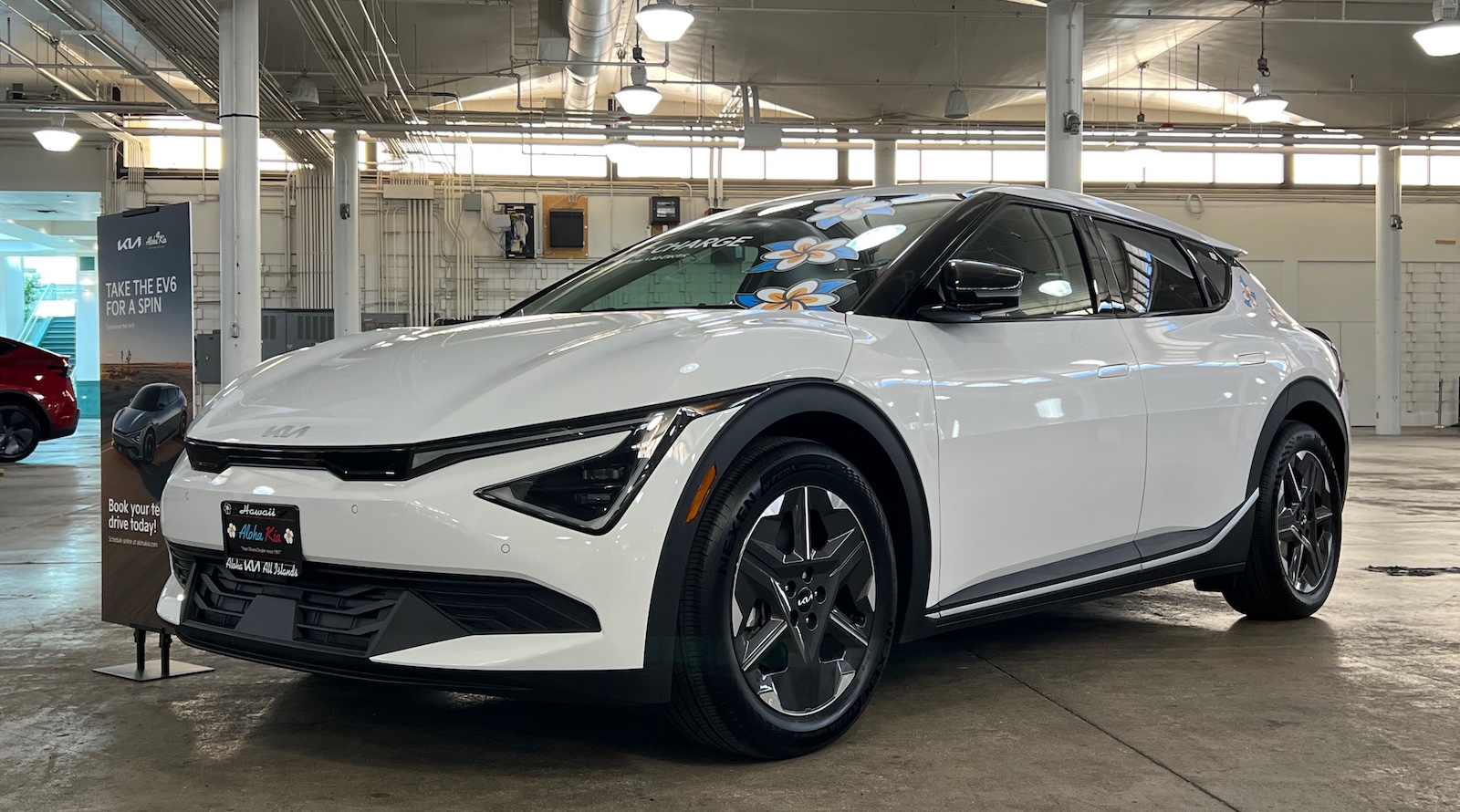
Why Gas Cars Could Be Worth Less Than Zero by 2031 in the US
Analyzing how cheap used EVs may make gasoline cars uneconomical in the US by 2031, with insights from Norway and China's used-car markets.

XPeng Advances AI Tech with VLA 2.0 Upgrade & Robotaxi Progress
XPeng's latest VLA 2.0 upgrade enhances intelligent driving with 4D perception, 20x safety boost, and voice-controlled robotaxis. Discover XPeng's AI advancements.

Mumbai’s Vile Parle Cypher is giving unheard rappers a voice

Enrich and Ultimo impress

Karnataka CM Signals Review of 5% Park Land Amendment Bill in Assembly

