How King Harald V of Norway quietly led the world in clean tech adoption
King Harald V of Norway passed away in 2026 after a 35-year reign marked by stealth advocacy for clean technology, particularly electric vehicles, without political interference.
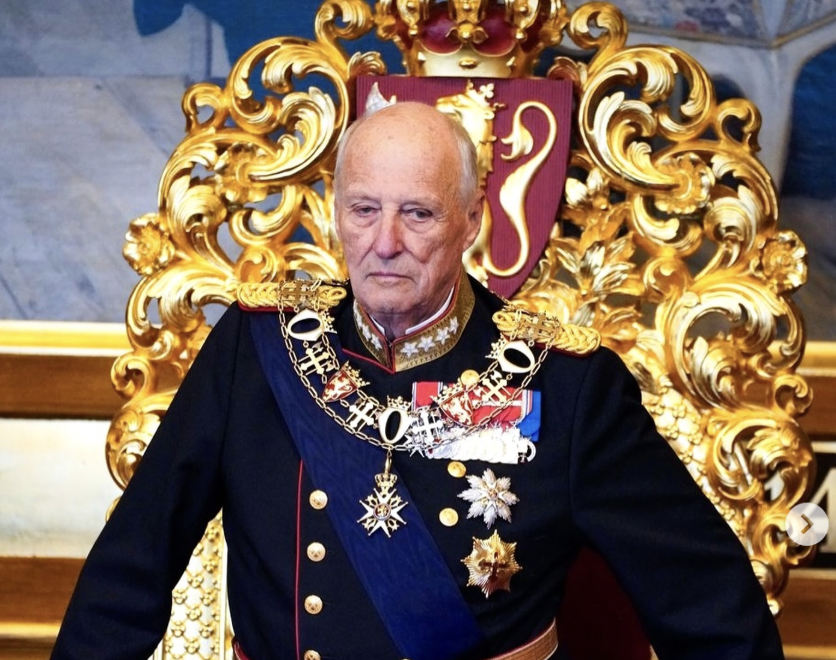
King Harald V of Norway, who passed away on August 28, 2026, at the age of 89, leaves behind a legacy that extends far beyond his 35-year reign. His death marks the end of an era for a monarch widely remembered for his warmth, maritime expertise, and dedication to social inclusion. Succeeding him is his son, now King Haakon VIII. Yet for those in the clean technology sector, Harald’s influence carries particular significance. Under his reign, Norway achieved the fastest and most complete transition to electric mobility of any developed economy, with over 90% of new passenger cars sold as electric vehicles by 2026.
Harald’s commitment to environmental stewardship was evident long before the rise of electric vehicles. As president of WWF Norway for nearly two decades, he championed marine conservation and biodiversity initiatives at a time when climate change was not yet a mainstream political concern. His public statements on climate issues, particularly in his annual New Year’s addresses, reflected a deep understanding of public sentiment. In his 2022 address, he acknowledged the concerns of young Norwegians about climate change, stating, “Many young people write to me expressing concern that not enough is being done to protect nature and combat climate change… [They] are losing patience with adults who aren’t taking strong enough action, fast enough.” While his words did not endorse specific policies, they validated shared concerns, embedding climate action into Norway’s cultural identity.
Norway’s transition to electric vehicles stands out globally not only for its scale but also for its lack of political polarization. While debates over EV adoption in countries like the United States, the United Kingdom, and Australia have become entangled in culture wars, Norway avoided such divisions. Successive governments, both left and right-leaning, maintained consistent EV incentives for decades without significant backlash. The numbers underscore this achievement: EV sales rose from less than 1% in 2010 to 97.6% in the first half of 2026, according to Norway’s Road Traffic Information Council (OFV). By June 2026, Norway’s electric passenger car fleet surpassed one million vehicles. Despite a slight decline in overall new car registrations due to evolving tax policies, EV market share continued to grow.
A critical yet often overlooked factor in Norway’s EV success is its energy grid. Approximately 98% of Norway’s electricity comes from renewable sources, with hydropower accounting for 88-89%, according to figures from the Norwegian energy ministry and the International Energy Agency. This renewable-heavy grid predates the EV boom, meaning Norway was charging its EVs on clean energy from the outset. Other nations attempting similar transitions must contend with grids still reliant on fossil fuels, making Norway’s model difficult to replicate.
Harald’s role in this transformation was subtle but impactful. While the Norwegian constitution prevents the monarch from engaging in politics, Harald leveraged soft power to shape public perception. The Royal Household’s gradual adoption of electric vehicles and energy upgrades at royal estates sent a powerful signal without legislative action. His consistent advocacy in New Year’s addresses reinforced environmental concerns as part of Norway’s national ethos, making climate denial less tenable in public discourse.
Policy debates in Norway continue, as they do anywhere, but they lack the ideological weaponization seen elsewhere. Whether this consensus will endure under King Haakon VIII remains an open question. Haakon inherits a nation where EV adoption has become the norm, but also one where climate action has been quietly championed by a monarch for over three decades. His choices in the coming years may reveal whether Norway’s progress depended on one man’s consistency—or if it has firmly taken root in the nation’s collective identity.
#KingHaraldV #Norway #ElectricVehicles #ClimateAction #Sustainability #Monarchy #CleanEnergy #HaakonVIII
Comments (0)
No comments yet — be the first to weigh in.
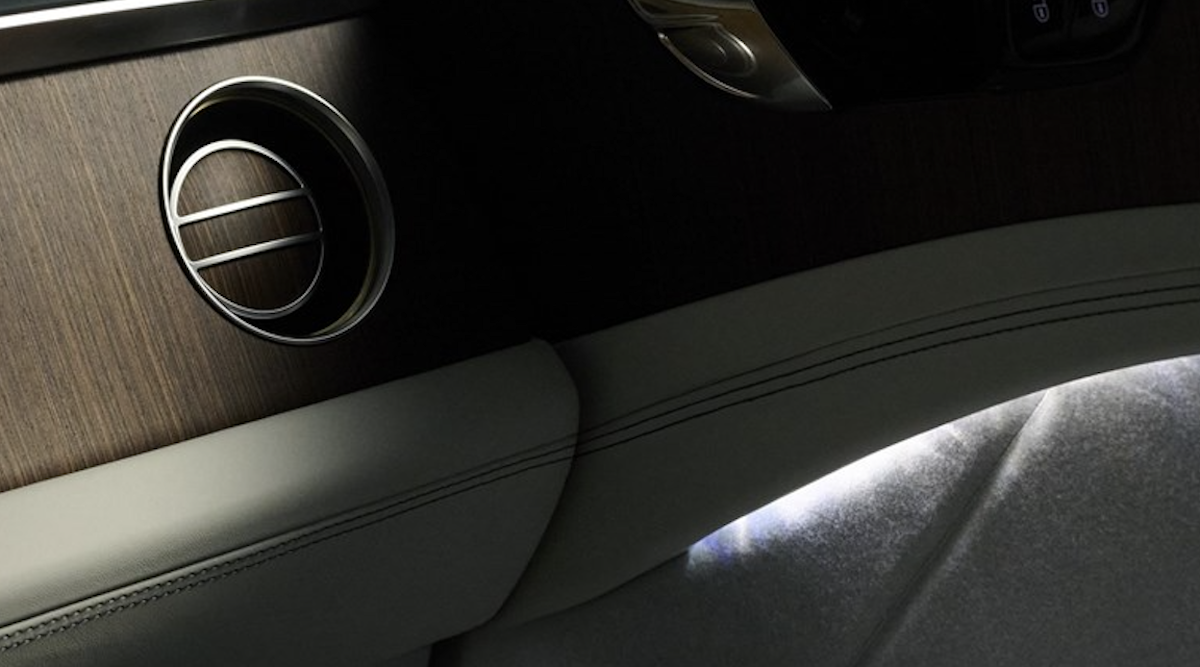
Bentley Torcal: First All-Electric SUV Unveiling & Price Details
Bentley Motors will unveil its first all-electric SUV, the Torcal, on September 23. Discover pricing, features, and how it compares to competitors in the luxury EV market.
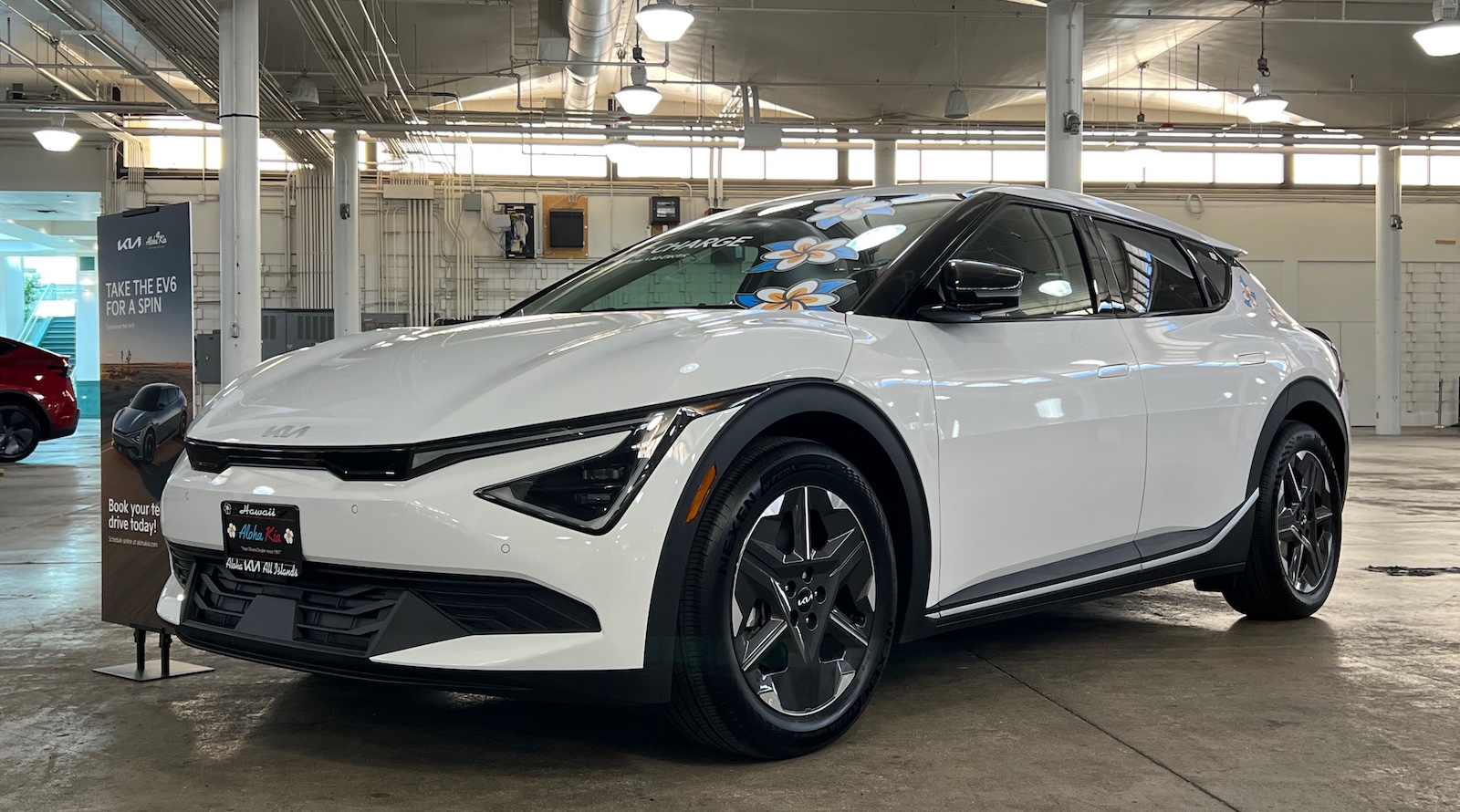
Why Gas Cars Could Be Worth Less Than Zero by 2031 in the US
Analyzing how cheap used EVs may make gasoline cars uneconomical in the US by 2031, with insights from Norway and China's used-car markets.
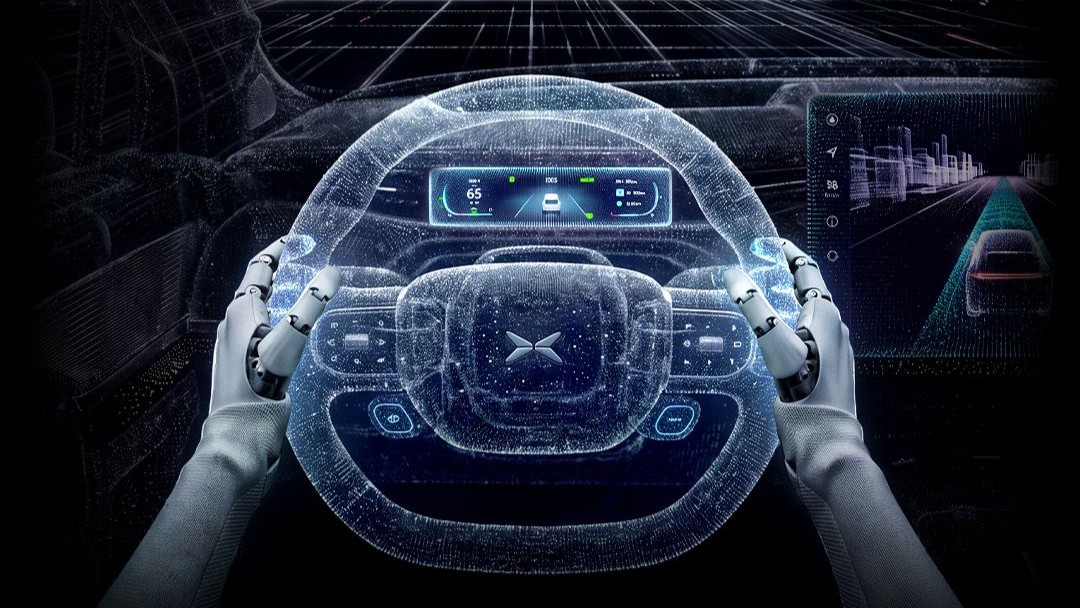
XPeng Advances AI Tech with VLA 2.0 Upgrade & Robotaxi Progress
XPeng's latest VLA 2.0 upgrade enhances intelligent driving with 4D perception, 20x safety boost, and voice-controlled robotaxis. Discover XPeng's AI advancements.
How Elon Musk's Budget Cuts Fueled Nepal Flood Disaster Risks
Explore the controversial link between Elon Musk's role in Trump's 'DOGE' office and the catastrophic Nepal floods, raising concerns over climate disaster preparedness.

Mumbai’s Vile Parle Cypher is giving unheard rappers a voice

Enrich and Ultimo impress

Karnataka CM Signals Review of 5% Park Land Amendment Bill in Assembly

