How Elon Musk's Budget Cuts Fueled Nepal Flood Disaster Risks
Explore the controversial link between Elon Musk's role in Trump's 'DOGE' office and the catastrophic Nepal floods, raising concerns over climate disaster preparedness.
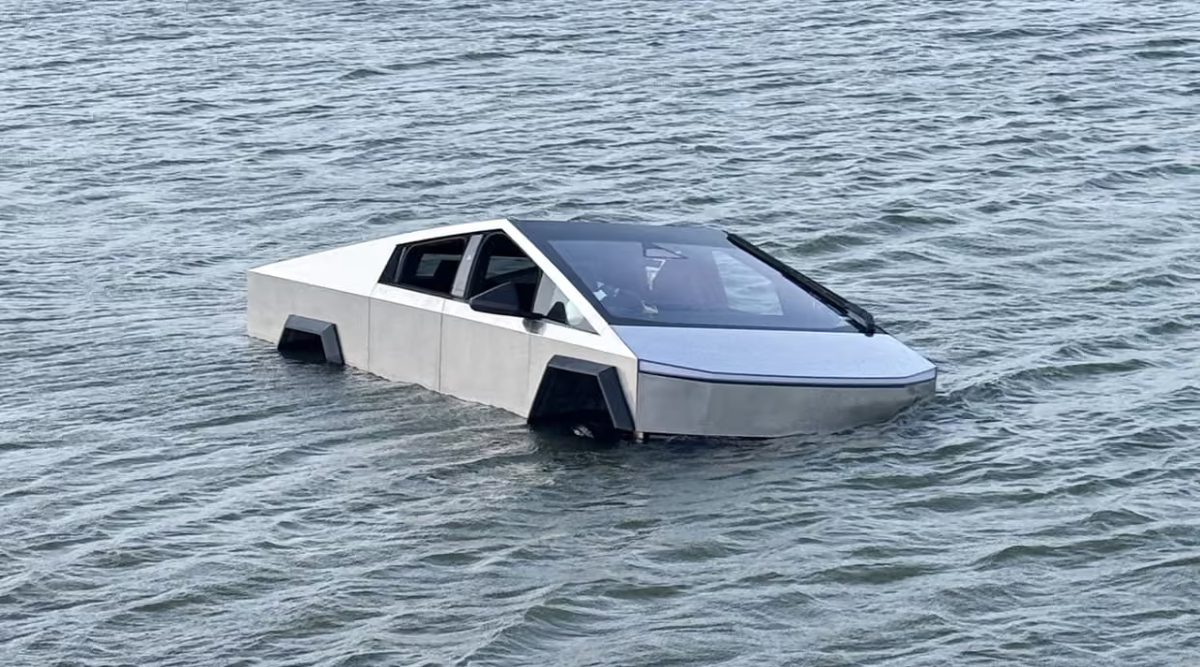
Elon Musk's role in U.S. budget cuts is drawing renewed scrutiny after catastrophic flooding in Nepal, with critics linking reduced disaster preparedness funding to the Trump administration's policies.
The devastating floods in Nepal, which have killed at least 752 people and left 2,502 missing as of late August, have intensified debates over climate resilience funding. Former USAID disaster response chief Jeremy Konyndyk highlighted the connection between these disasters and policy decisions made under Musk’s tenure at the Trump administration’s "DOGE" budget-cutting office. In a social media post, Konyndyk noted that DOGE canceled multiple disaster risk reduction (DRR) projects in Nepal, including a $420 million NASA climate initiative that supported flood prediction and early warning systems in the region.
While the floods were triggered by a glacial lake outburst—a rare but not unprecedented event—experts argue that reduced funding for monitoring and early warning systems may have hindered preparedness. Konyndyk cautioned that the exact impact of these cuts remains uncertain but emphasized that such programs were designed to mitigate exactly this type of disaster.
The debate extends beyond Nepal, with climate experts warning of similar risks in the United States. North Carolina, for instance, enacted a stricter flood disclosure law in July 2024, just weeks before Hurricane Helene caused devastating flooding in the state’s mountainous regions. The storm, which killed 108 people, highlighted the need for better disaster planning nationwide.
Critics also point to broader cuts under the Trump-Musk administration, including reductions at NOAA, which oversees tsunami and flood warning systems. These cuts have raised concerns about the U.S.’s ability to respond to future climate-related disasters, both domestically and abroad.
International aid efforts remain underway, with the U.S. State Department pledging $3.6 million in humanitarian assistance to Nepal—though this amount has drawn criticism as inadequate compared to other U.S. spending priorities. The State Department has also set up a hotline for concerned families seeking information about missing relatives.
As floodwaters rise again in Nepal, the disaster serves as a grim reminder of the human cost of budget cuts to climate and disaster resilience programs.
#NepalFloods #ClimateChange #ElonMusk #DisasterResponse #TrumpAdministration #USAID #NASA
Comments (0)
No comments yet — be the first to weigh in.

Bentley Torcal: First All-Electric SUV Unveiling & Price Details
Bentley Motors will unveil its first all-electric SUV, the Torcal, on September 23. Discover pricing, features, and how it compares to competitors in the luxury EV market.
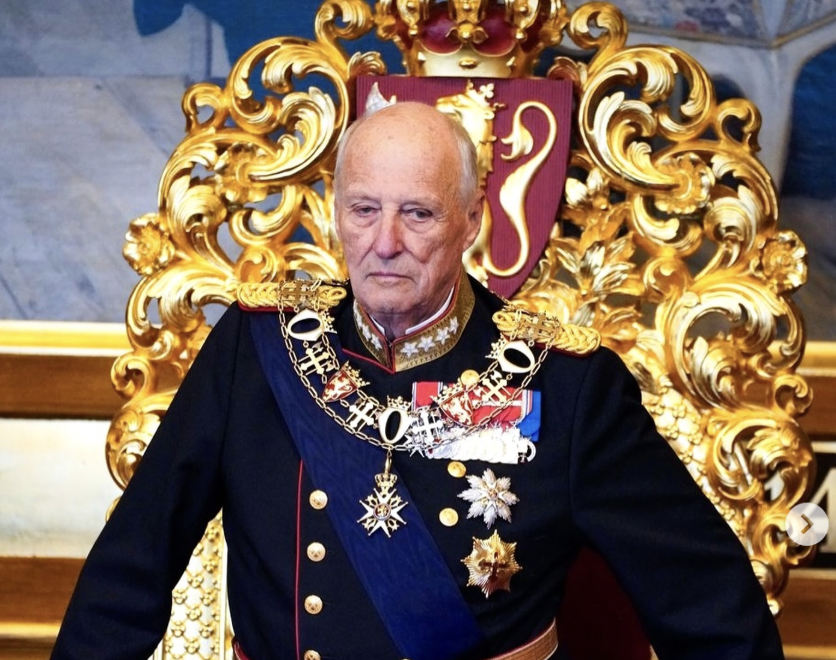
How King Harald V of Norway quietly led the world in clean tech adoption
King Harald V of Norway passed away in 2026 after a 35-year reign marked by stealth advocacy for clean technology, particularly electric vehicles, without political interference.

Why Gas Cars Could Be Worth Less Than Zero by 2031 in the US
Analyzing how cheap used EVs may make gasoline cars uneconomical in the US by 2031, with insights from Norway and China's used-car markets.

XPeng Advances AI Tech with VLA 2.0 Upgrade & Robotaxi Progress
XPeng's latest VLA 2.0 upgrade enhances intelligent driving with 4D perception, 20x safety boost, and voice-controlled robotaxis. Discover XPeng's AI advancements.

Mumbai’s Vile Parle Cypher is giving unheard rappers a voice

Enrich and Ultimo impress

Karnataka CM Signals Review of 5% Park Land Amendment Bill in Assembly

