Challenges in Prosecuting Hate Crimes in U.S. Courts Revealed
Legal hurdles, underreporting, and lack of evidence hinder hate crime convictions in the U.S., leaving victims without justice despite rising incidents.
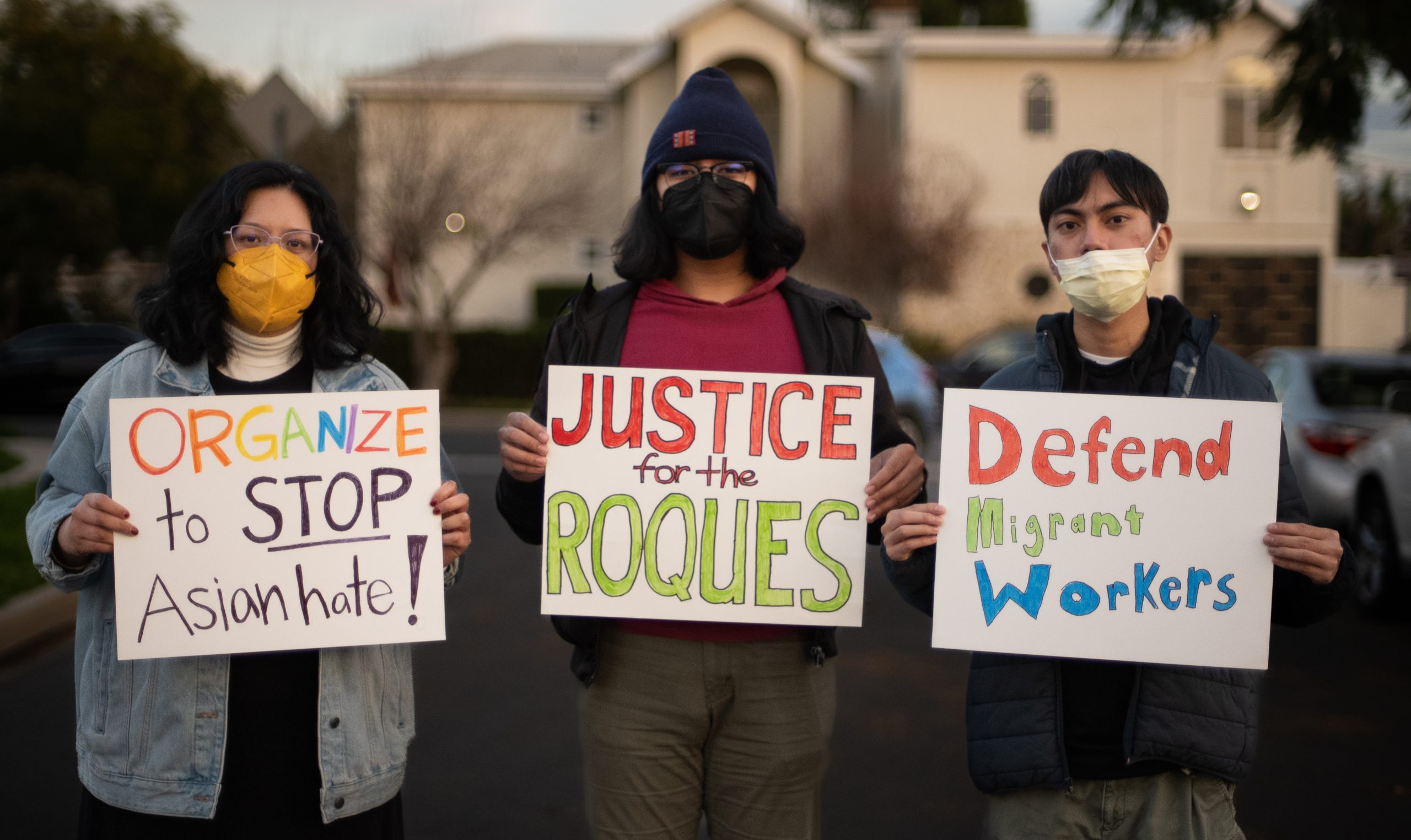
One evening in May 2022, a Filipino mother and daughter were subjected to a racially motivated attack while retrieving food from a North Hollywood McDonald’s drive-thru. According to reports, a white man, Nicholas Weber, allegedly rammed their car, shouted racial slurs, and later assaulted the family, fracturing the mother’s husband’s ribs and grabbing the mother by the throat. A bystander intervened before police arrived. Although Weber was cited and later charged with felony battery and hate crime enhancements, a judge dropped the hate crime charges a year later, reducing the charges to felony assault and driving under the influence.
The incident reflects a broader trend of anti-Asian violence during the COVID-19 pandemic. However, hate crime convictions remain rare, leaving victims like the Roque family without justice. Gabriel Roque expressed frustration at the court’s decision, stating, “Instead of getting the truth out, the truth was twisted; therefore, justice was not served.”
To secure a hate crime conviction, prosecutors must prove the offense was motivated by bias against a victim’s race, religion, disability, sexual orientation, ethnicity, gender, or gender identity. In the Roques’ case, the court determined the evidence was insufficient due to the defendant’s actions toward a non-Asian bystander and the delay between racial slurs and the physical attack. The bystander’s identity and testimony remain unclear.
Experts estimate an average of 250,000 hate crimes occur annually in the U.S., yet only about half are reported to police, according to the U.S. Department of Justice. Michael Lieberman, a senior policy counsel for the Southern Poverty Law Center, cited systemic gaps in reporting and enforcement as major obstacles. “If you don’t have accurate data, you cannot effectively address the problem,” he said.
In Texas, for example, only eight hate crime convictions resulted from nearly 1,000 reported incidents between 2010 and 2015. Nationwide, prosecutors often pursue traditional criminal charges when hate speech evidence is lacking, undermining bias-based prosecutions.
Underreporting stems from distrust in law enforcement, particularly among marginalized groups. Brendan Lantz, a Florida State University professor studying hate crime victimization, found that victims often avoid reporting due to skepticism about police action. Undocumented survivors face additional barriers, with one in seven Asian immigrants undocumented, according to a 2015 report.
Even when reported, hate crimes are frequently mishandled. Police often lack proper training to identify bias motivations, and hate crime laws vary by state—some, like Arkansas and Wyoming, have no such laws. In 2019, 86% of law enforcement agencies reported zero hate crimes, a statistic Lantz called statistically unlikely for many jurisdictions.
Prosecutors face further challenges in proving intent and securing convictions. A ProPublica investigation found that prosecutors often avoid hate crime enhancements due to difficulty in gathering sufficient evidence. Lieberman emphasized the importance of police training, noting that misclassifying bias-motivated acts, such as interpreting a cross burning as trespassing, undermines justice.
Advocates and journalists play a critical role in holding institutions accountable. ProPublica’s reporting guide suggests requesting hate crime data from local police departments to uncover potential systemic neglect. International comparisons, such as the U.K.’s victim-centric reporting policies, show higher reporting rates, offering potential solutions.
For victims, the lack of accountability is compounded by limited institutional support. A 2022 survey found only 20% of crime survivors received aid from the criminal justice system, with most relying on community or healthcare resources.
As hate crimes persist, experts stress the need for better data collection, police training, and prosecutorial commitment to ensure bias-motivated violence is properly addressed. Without these reforms, justice for victims like the Roques remains elusive.
Comments (0)
No comments yet — be the first to weigh in.

Middlesbrough's Crime Crisis: Decades of Failed Policies Unleash Chaos
Former Middlesbrough mayor Andy Preston blames decades of lenient crime policies for the town's recent surge in gang violence and lawlessness.

Google Maps Renames Lake Ontario to 'Lake America' Following Trump Order
Google Maps now displays 'Lake America' in the US, replacing 'Lake Ontario' after Trump's executive order amid trade tensions with Canada. Canadians still see the original name.

Pentagon Warns Pentagon Chiefs: Iran War Unsustainable, Threatens U.S. Readiness
Classified assessment reveals Pentagon chiefs warn Defense Secretary Pete Hegseth that the Iran war is unsustainable and drains U.S. military resources and readiness.

Mike Rogers Proposes $50 Copays for Routine Health Screenings, Critics Warn of Risks
Former Congressman Mike Rogers suggests $50 copays for routine screenings, sparking debate over healthcare costs and access. Critics highlight potential risks.

Mumbai’s Vile Parle Cypher is giving unheard rappers a voice

Enrich and Ultimo impress

Karnataka CM Signals Review of 5% Park Land Amendment Bill in Assembly

