Chicago's $16B TIF Program: Who Benefited, Who Lost?
A new study reveals Chicago's $16 billion Tax Increment Financing program primarily funded downtown development, exacerbating economic inequities and draining funds from schools and public services.
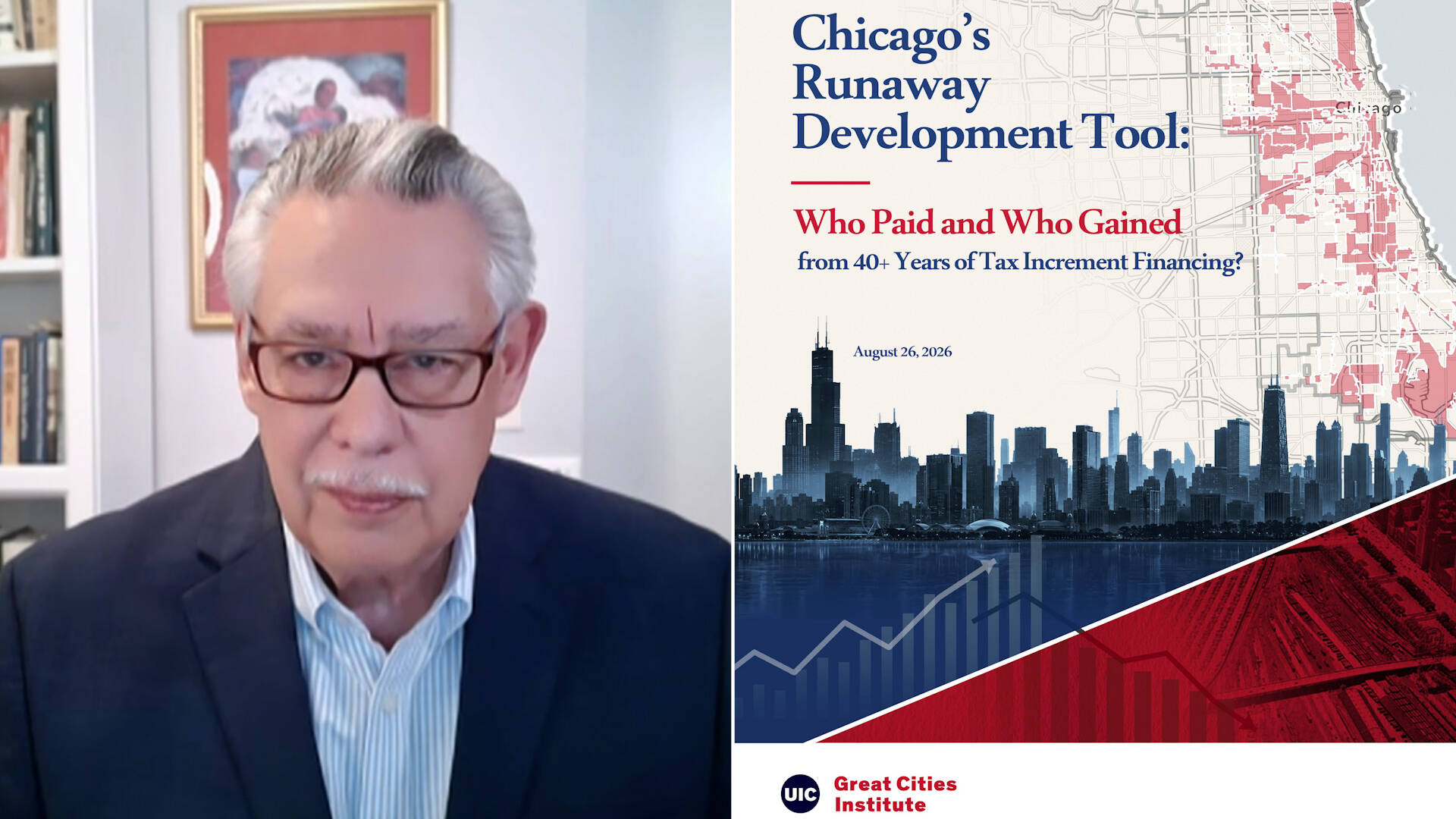
A recent study by researchers at the University of Illinois Chicago, led by journalist Juan González, reveals that Chicago diverted $16 billion in property taxes over the past four decades through the Tax Increment Financing (TIF) program, primarily to fund downtown development rather than address urban blight as intended.
The investigation, conducted by the Great Cities Institute, found that the TIF program, which allows municipalities to earmark future property tax increases in designated districts for infrastructure and private development incentives, has contributed to economic disparities across the city. More than half of the $16 billion was allocated to downtown neighborhoods, leaving 70 other community areas to share the remainder. The program, which has created over 180 TIF districts, has also driven up property taxes for Chicago residents by an average of 13.7% over a ten-year period, with much of the increase occurring regardless of the TIF program.
Despite the additional revenue generated, the study found that the TIF districts now hold $3 billion in reserves, while essential services such as public schools and city operations face funding shortages. The program’s lack of transparency and accountability has further complicated the issue. Mayor Brandon Johnson has implemented some reforms, but critics argue these changes do not fully address the systemic inequities perpetuated by the TIF program.
The findings come as Chicago prepares for its next mayoral election, where the management and allocation of TIF funds are expected to be a contentious issue. The study underscores the need for greater scrutiny and reform of the TIF program to ensure that public funds are used effectively to benefit all communities in the city.
Comments (0)
No comments yet — be the first to weigh in.

Middlesbrough's Crime Crisis: Decades of Failed Policies Unleash Chaos
Former Middlesbrough mayor Andy Preston blames decades of lenient crime policies for the town's recent surge in gang violence and lawlessness.

Google Maps Renames Lake Ontario to 'Lake America' Following Trump Order
Google Maps now displays 'Lake America' in the US, replacing 'Lake Ontario' after Trump's executive order amid trade tensions with Canada. Canadians still see the original name.

Pentagon Warns Pentagon Chiefs: Iran War Unsustainable, Threatens U.S. Readiness
Classified assessment reveals Pentagon chiefs warn Defense Secretary Pete Hegseth that the Iran war is unsustainable and drains U.S. military resources and readiness.

Mike Rogers Proposes $50 Copays for Routine Health Screenings, Critics Warn of Risks
Former Congressman Mike Rogers suggests $50 copays for routine screenings, sparking debate over healthcare costs and access. Critics highlight potential risks.

Mumbai’s Vile Parle Cypher is giving unheard rappers a voice

Enrich and Ultimo impress

Karnataka CM Signals Review of 5% Park Land Amendment Bill in Assembly

