China
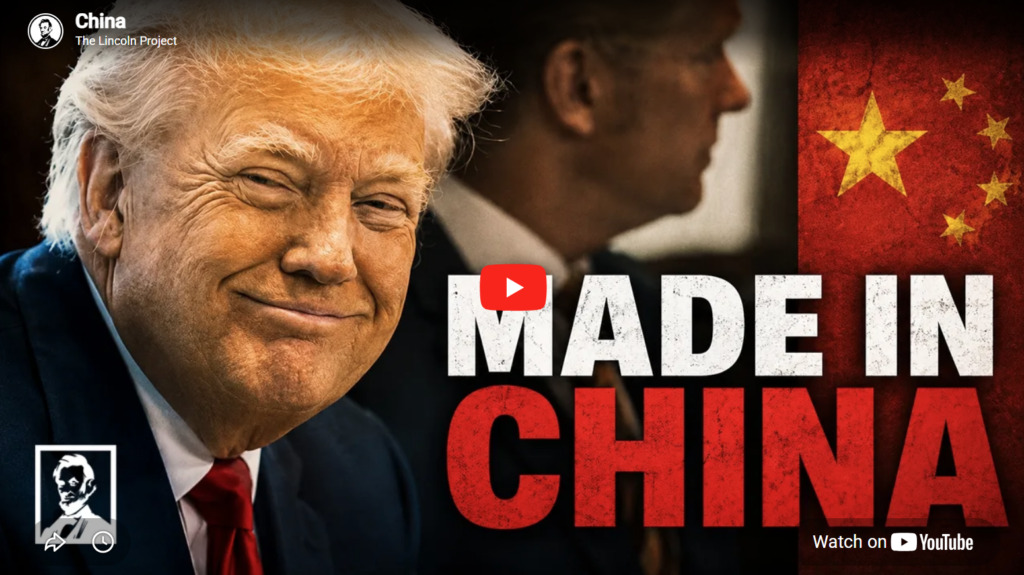
China has long been a major economic competitor of the United States, a fact highlighted by the Lincoln Project, a U.S.-based organization advocating for democracy. In a recent statement, the group criticized the administration of former President Donald Trump for its approach to China, suggesting that policies under his leadership had allowed China to gain further economic advantages over the U.S.
The Lincoln Project, known for its opposition to Trump’s political movement, argued that China has been surpassing the U.S. in economic and technological influence for decades. The organization did not present new data but reiterated concerns shared by policymakers and analysts over trade imbalances, intellectual property theft, and China’s rise as a global power.
The statement did not provide specific examples of policies under Trump that allegedly worsened the situation. However, critics of his administration have often pointed to the 2020 "Phase One" trade deal with China as insufficient in addressing structural issues in U.S.-China economic relations. The deal, negotiated under Trump, aimed to reduce tariffs and increase Chinese purchases of U.S. goods but did not fully resolve disputes over subsidies, forced technology transfers, or market access restrictions.
The Lincoln Project, which describes itself as a pro-democracy group, framed its criticism within a broader defense of democratic institutions against what it terms "Trumpism." The organization has been vocal in opposing Trump’s political influence, arguing that his policies and rhetoric undermine democratic norms. While the group’s focus is primarily political, its statement on China reflects a common perspective among trade hawks and national security advocates that the U.S. has not done enough to counter China’s economic and military rise.
Economists and foreign policy experts remain divided on the best approach to China. Some argue for a more confrontational stance, including tariffs, export controls, and investment restrictions, while others advocate for engagement and multilateral alliances to shape China’s behavior. The Biden administration has continued some Trump-era policies, such as maintaining tariffs and expanding alliances in Asia, while also seeking areas of cooperation with Beijing on climate change and global health.
The Lincoln Project’s statement did not propose specific solutions but framed the issue as part of a larger struggle to protect democracy from authoritarian influences. The organization’s call to action suggests that addressing China’s economic challenge is not just an economic issue but a matter of national security and democratic resilience.
As the U.S. and China continue to compete for technological and economic leadership, the debate over how to manage this rivalry remains a central challenge for American policymakers. The Lincoln Project’s criticism underscores the ongoing political divisions in the U.S. over how best to respond to China’s rise.
Comments (0)
No comments yet — be the first to weigh in.

Middlesbrough's Crime Crisis: Decades of Failed Policies Unleash Chaos
Former Middlesbrough mayor Andy Preston blames decades of lenient crime policies for the town's recent surge in gang violence and lawlessness.

Google Maps Renames Lake Ontario to 'Lake America' Following Trump Order
Google Maps now displays 'Lake America' in the US, replacing 'Lake Ontario' after Trump's executive order amid trade tensions with Canada. Canadians still see the original name.

Pentagon Warns Pentagon Chiefs: Iran War Unsustainable, Threatens U.S. Readiness
Classified assessment reveals Pentagon chiefs warn Defense Secretary Pete Hegseth that the Iran war is unsustainable and drains U.S. military resources and readiness.

Mike Rogers Proposes $50 Copays for Routine Health Screenings, Critics Warn of Risks
Former Congressman Mike Rogers suggests $50 copays for routine screenings, sparking debate over healthcare costs and access. Critics highlight potential risks.

Mumbai’s Vile Parle Cypher is giving unheard rappers a voice

Enrich and Ultimo impress

Karnataka CM Signals Review of 5% Park Land Amendment Bill in Assembly

