France's 1960s nuclear tests in Algeria leave lasting radioactive legacy
Decades after France conducted 17 nuclear tests in Algeria during the 1960s, radioactive contamination persists, with health and environmental impacts still unfolding. Algeria seeks transparency and cleanup from Paris.

More than six decades after France conducted its first atomic bomb test in the Algerian Sahara, the environmental and human legacy of the detonations continues to strain diplomatic relations between Paris and Algiers.
Algerian authorities, led by President Abdelmadjid Tebboune and Army Chief of Staff Said Chengriha, are urging the French government to release military maps locating buried radioactive waste and to support full environmental decontamination of the affected regions. France has so far refused to hand over complete mapping data or acknowledge the long-term health and environmental fallout.
Between 1960 and 1966, the French military executed 17 atmospheric and underground nuclear tests across two main Saharan locations: Reggane and In Ekker. The program began on February 13, 1960, with Gerboise Bleue, a 70-kiloton plutonium bomb detonated in the heart of the desert. The blast was four times more powerful than the atomic bomb dropped on Hiroshima, dispersing toxic radioactive fallout across an area spanning 200 kilometers by 100 kilometers.
The testing program occurred during Algeria's struggle for independence. Following negotiations between the French state and the National Liberation Front, Paris secured rights to utilize the Saharan test sites for five years past Algeria's 1962 independence. French officials defended the site selection by describing the region as uninhabited, ignoring the presence of local Saharan populations and Tuareg communities.
The human toll in regions such as Adrar and Reggane remains significant. According to Algerian historian Samia Henni, the population in the Reggane area dropped from 40,000 to 20,000 following the tests. Local health non-governmental organizations report a persistent resurgence of cancers, congenital birth defects, and reproductive health issues among residents, with radiation-linked illnesses affecting multiple generations.
Access to official records remains blocked. Defense laws enacted by the French parliament in 2008 and 2021 place a double lock on archives related to weapons of mass destruction. Representatives from the International Campaign to Abolish Nuclear Weapons note that French ministries remain hesitant to release classified data due to concerns over financial reparations, domestic political fallout, and potential challenges to France's nuclear deterrence doctrine.
Researchers warn that thousands of tons of radioactive debris, including buried military vehicles and tools, continue to endanger Saharan ecosystems. Without active decontamination, hazardous materials threaten local groundwater supplies and food chains for tens of thousands of years, prompting ongoing calls from Algeria for accountability and environmental restoration.
#France #Algeria #NuclearTests #Reggane #Sahara #AbdelmadjidTebboune #ICAN #Colonialism
Comments (0)
No comments yet — be the first to weigh in.

Israel's 2.6M Students Return to School Amid Education Reforms and Protests
Israel's 2.6 million students resume classes as the Education Ministry introduces financial literacy and AI reforms, amid teacher shortages and protests over militarization.

Earth's magnetic field can help archaeologists sniff out forged antiquities
Researchers at the University of California San Diego have developed a new method using Earth's magnetic field to help archaeologists distinguish between a...

US, Israel, and Palestine to Hold Three Elections in 32 Days – Global Stakes
Three key elections – U.S., Israel, and Palestine – will take place from Oct. 27 to Nov. 28, shaping domestic politics and international ties.
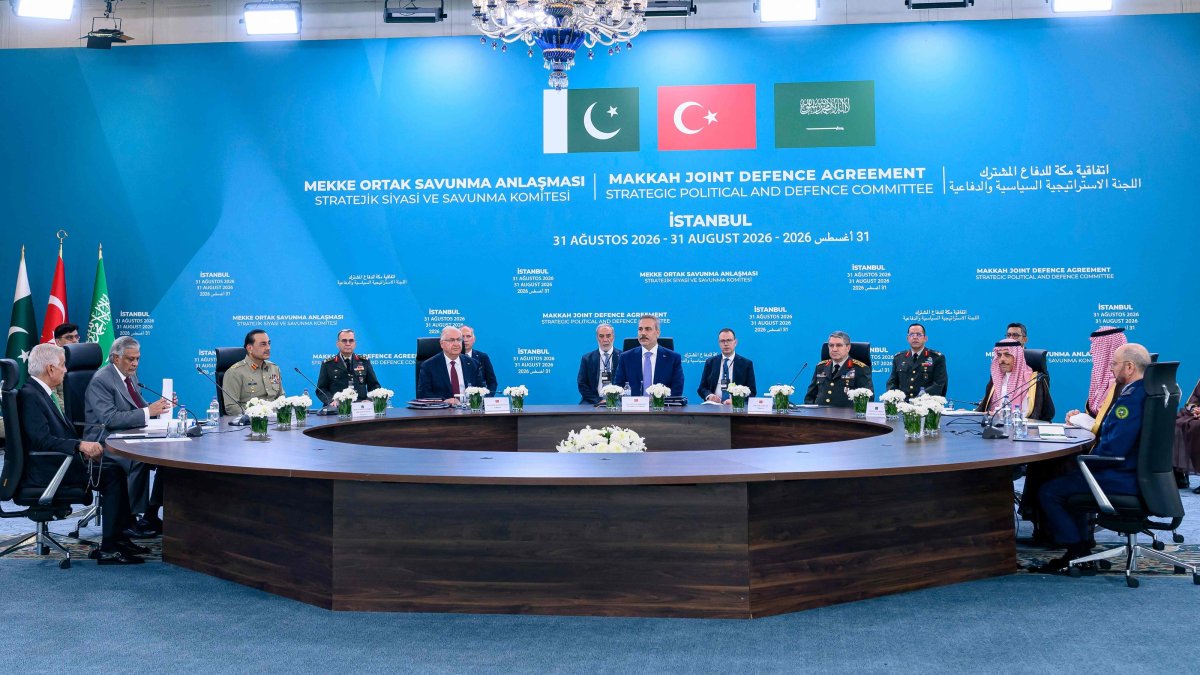
Türkiye, Pakistan, Saudi Arabia deepen joint defense framework
Türkiye, Pakistan and Saudi Arabia have agreed to deepen their defense partnership under the Mecca Agreement, taking new steps to strengthen collective deterren...

Mumbai’s Vile Parle Cypher is giving unheard rappers a voice

Enrich and Ultimo impress

Karnataka CM Signals Review of 5% Park Land Amendment Bill in Assembly

