Germany's Medicare for All: High Coverage but Poor Care Quality?
Germany's universal healthcare system ensures coverage but faces criticism for low quality of care, bureaucratic delays, and a two-tier system favoring the wealthy.

Germany’s healthcare system provides universal coverage, ensuring no citizen faces medical bankruptcy, but critics argue that low costs come at the expense of care quality. While the system avoids extreme outcomes like debtor’s prison, some patients experience preventable suffering—or worse—due to systemic inefficiencies. The experiences of a healthcare proxy for two elderly relatives illustrate these shortcomings, raising questions about whether such a model would suit the U.S.
A recent case involving Parkinson’s disease highlights disparities in diagnosis and treatment. Despite classic symptoms, neither the primary care physician nor a neurologist in private practice pursued the condition. Instead, they relied on unnecessary tests—blood work and carotid ultrasounds—that do not detect Parkinson’s. A hospital-based neurologist eventually diagnosed the patient through a clinical evaluation, noting that private practitioners often favor faster, more lucrative procedures over thorough examinations.
Reimbursement structures incentivize this behavior. Publicly insured patients, covered under Germany’s statutory health system (akin to Medicare for All), generate minimal revenue for doctors—around €50 for a 60-minute evaluation. In contrast, an ultrasound, taking minutes, yields over €200. This financial imbalance discourages time-intensive, accurate diagnoses.
Medical malpractice litigation is rare in Germany, partly due to restrictions on lawyer advertising and cultural differences. Without the fear of lawsuits, some providers may grow complacent. The lack of external oversight compounds the issue. German physicians operate independently, with minimal accountability, as quality control is largely self-regulated by medical associations—a model critics compare to the FAA’s oversight of Boeing, where self-certification led to fatal flaws in the 737 MAX.
The system also fosters a two-tier structure. High earners (just 5% of employees) can opt for private insurance, bypassing long wait times and receiving preferential treatment. For the remaining 95%, appointments are scarce, consultations brief, and care inconsistent. Critics argue this reinforces class divides, aligning with Marxist critiques of systemic inequality.
The German model demonstrates that universal coverage does not guarantee equitable or high-quality care. While it prevents financial ruin, it may trade patient outcomes for cost efficiency. As U.S. policymakers debate "Medicare for All," Germany’s example serves as both a cautionary tale and a potential benchmark—one where access does not always equate to adequacy.
Comments (0)
No comments yet — be the first to weigh in.

Middlesbrough's Crime Crisis: Decades of Failed Policies Unleash Chaos
Former Middlesbrough mayor Andy Preston blames decades of lenient crime policies for the town's recent surge in gang violence and lawlessness.

Google Maps Renames Lake Ontario to 'Lake America' Following Trump Order
Google Maps now displays 'Lake America' in the US, replacing 'Lake Ontario' after Trump's executive order amid trade tensions with Canada. Canadians still see the original name.

Pentagon Warns Pentagon Chiefs: Iran War Unsustainable, Threatens U.S. Readiness
Classified assessment reveals Pentagon chiefs warn Defense Secretary Pete Hegseth that the Iran war is unsustainable and drains U.S. military resources and readiness.
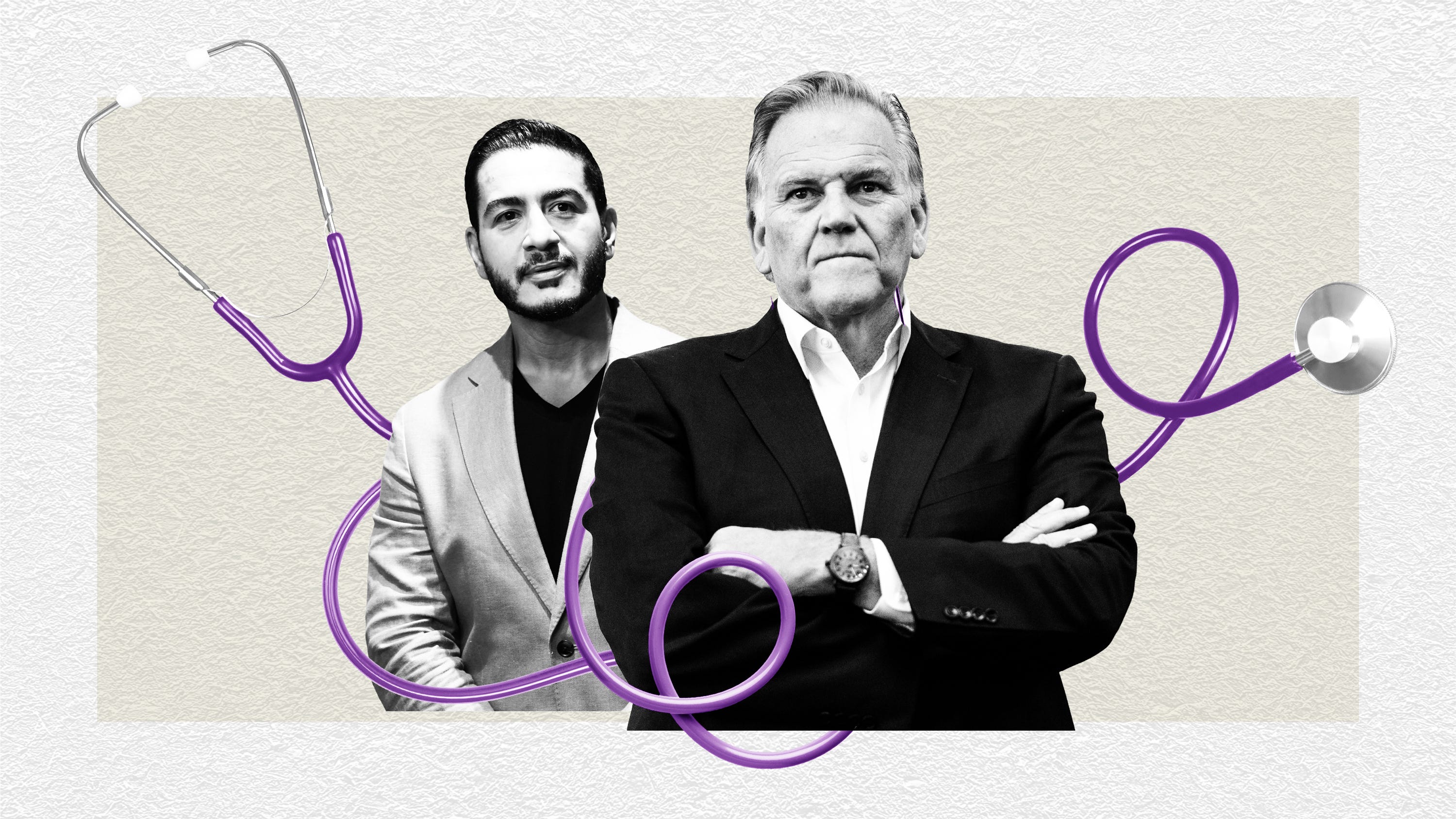
Mike Rogers Proposes $50 Copays for Routine Health Screenings, Critics Warn of Risks
Former Congressman Mike Rogers suggests $50 copays for routine screenings, sparking debate over healthcare costs and access. Critics highlight potential risks.

Mumbai’s Vile Parle Cypher is giving unheard rappers a voice

Enrich and Ultimo impress

Karnataka CM Signals Review of 5% Park Land Amendment Bill in Assembly

