Global Food System Progress Fails to Meet 2030 Sustainability Targets, New Study Finds
A new report reveals insufficient global progress toward UN Sustainable Development Goals for sustainable food systems by 2030, with agri-food emissions rising and most targets likely unattainable.
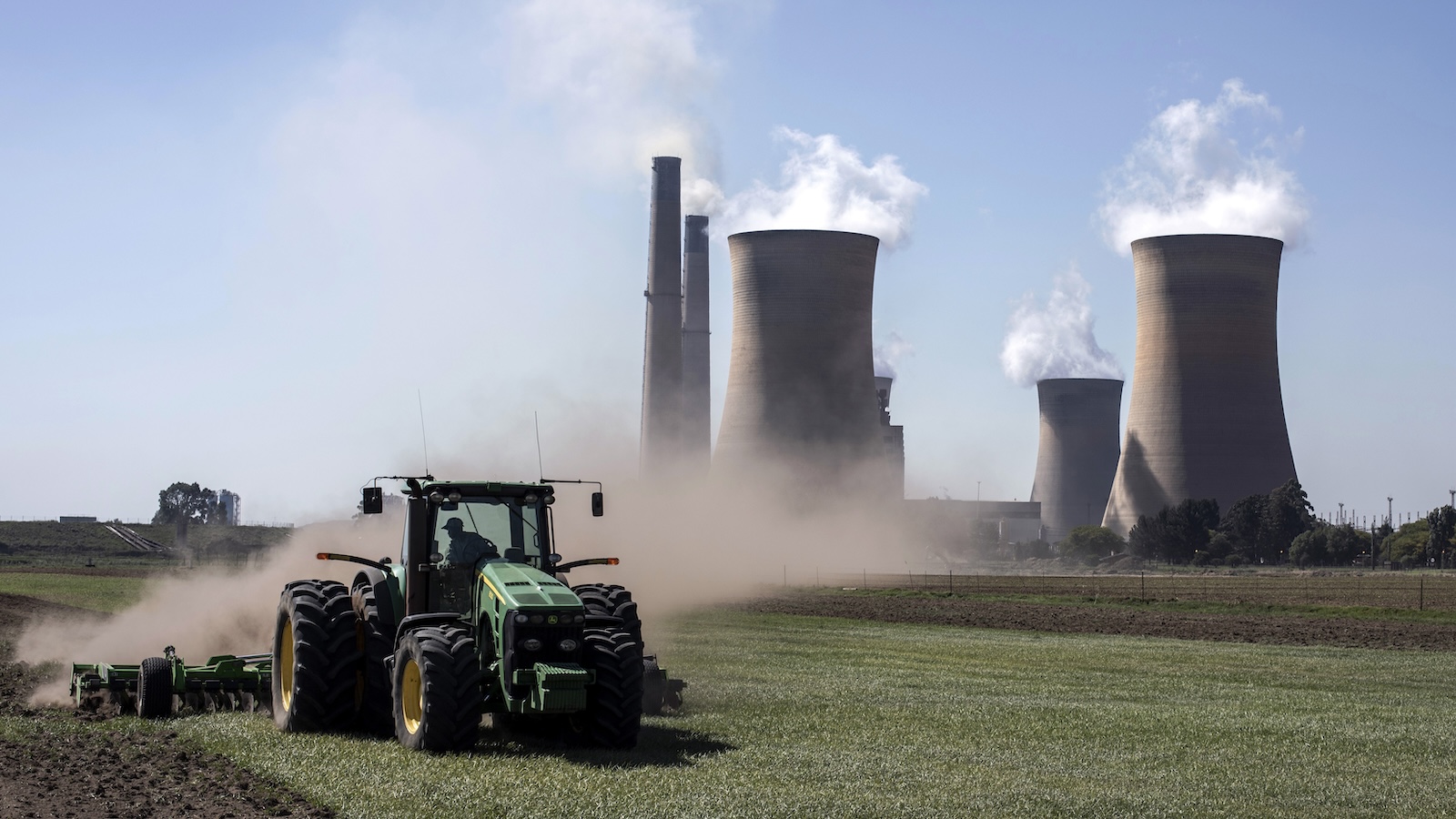
Global progress toward sustainable and resilient food systems remains insufficient to meet key 2030 targets set by the United Nations Sustainable Development Goals (SDGs) and the Paris Agreement, according to a new report. The findings, published in *Nature Food* by the Food Systems Countdown Initiative, highlight that most countries are failing to meet critical benchmarks on nutrition, climate, and environmental sustainability. Researchers warn that without accelerated action, the 2030 deadlines for eliminating hunger, reducing poverty, and achieving net-zero emissions will likely be missed.
The report evaluates nearly 50 metrics across global and regional levels, including the cost of healthy diets, agricultural emissions, and fruit and vegetable availability. Using an interactive dashboard, the researchers track how nations are progressing—or regressing—on these indicators. While some countries show improvements in certain areas, overall trends remain discouraging, particularly in reducing greenhouse gas emissions from agri-food systems. Agriculture alone accounts for about a third of global man-made emissions, according to the U.N. Food and Agriculture Organization (FAO).
To achieve net-zero agri-food emissions by 2030, the study estimates that every region would need to increase its progress by about 70 percent annually over the next four years—a goal researchers describe as unrealistic. Bianca Carducci, lead author and independent nutrition scientist, noted that most countries typically see only about a 5 percent annual shift in key indicators. However, she emphasized that progress should be assessed holistically, as some nations may excel in one area while stagnating in others.
The report also underscores the complexity of measuring progress, as success is not binary but depends on interconnected factors. Changes in emissions, for example, are influenced by cropland expansion, water use, fisheries, and societal participation. Carducci suggested that these areas could serve as entry points for reducing food system emissions, while Michael Puma, a Columbia University professor not involved in the study, stressed the importance of realistic pathways rather than rigid deadlines.
Interestingly, the study found that extending the SDG deadline to 2050 could put more regions on track to meet their goals. However, Carducci cautioned against using this as an excuse to delay action. Instead, she urged global leaders to maintain momentum and avoid quick fixes that fail to address long-term challenges. Puma echoed this sentiment, advocating for accountability measures and sustainable progress over arbitrary timelines.
The report serves as a stark reminder that the world’s food systems are not transforming fast enough to meet critical climate and sustainability targets.
#FoodSystems #Sustainability #ClimateChange #UN #ParisAgreement #SDGs #Agriculture
Comments (0)
No comments yet — be the first to weigh in.

Bentley Torcal: First All-Electric SUV Unveiling & Price Details
Bentley Motors will unveil its first all-electric SUV, the Torcal, on September 23. Discover pricing, features, and how it compares to competitors in the luxury EV market.

How King Harald V of Norway quietly led the world in clean tech adoption
King Harald V of Norway passed away in 2026 after a 35-year reign marked by stealth advocacy for clean technology, particularly electric vehicles, without political interference.

Why Gas Cars Could Be Worth Less Than Zero by 2031 in the US
Analyzing how cheap used EVs may make gasoline cars uneconomical in the US by 2031, with insights from Norway and China's used-car markets.

XPeng Advances AI Tech with VLA 2.0 Upgrade & Robotaxi Progress
XPeng's latest VLA 2.0 upgrade enhances intelligent driving with 4D perception, 20x safety boost, and voice-controlled robotaxis. Discover XPeng's AI advancements.

Mumbai’s Vile Parle Cypher is giving unheard rappers a voice

Enrich and Ultimo impress

Karnataka CM Signals Review of 5% Park Land Amendment Bill in Assembly

