How HMOs Are Transforming UK Housing Crisis Amid Government Housing Policies
The rise of HMOs in the UK is reshaping communities as landlords capitalize on government housing schemes, displacing long-term residents and transforming urban neighborhoods.
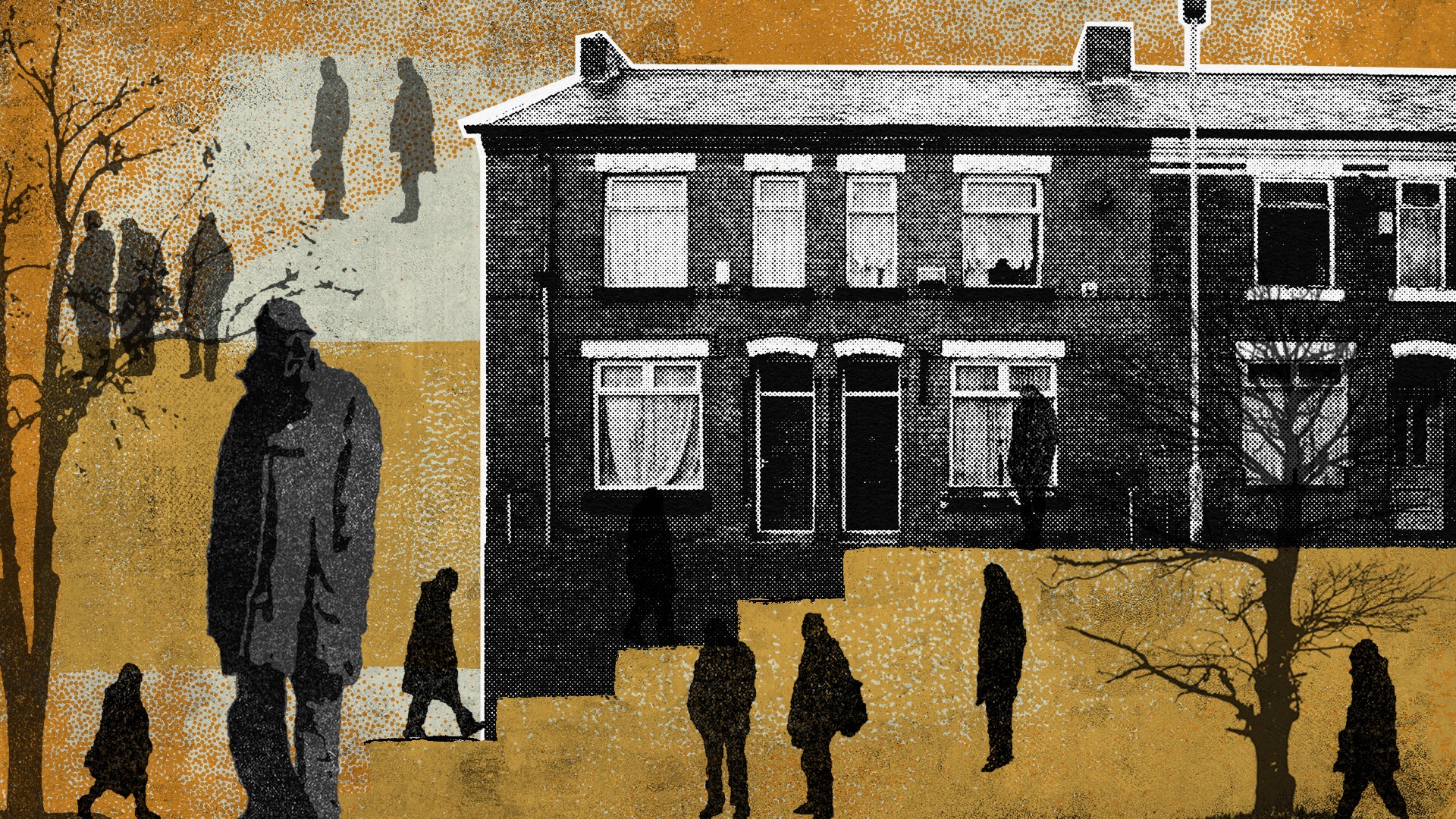
The British housing market is increasingly dominated by house in multiple occupation (HMOs), a trend driven by government housing obligations and private sector landlords seeking lucrative arrangements. The transformation of ordinary housing estates into HMOs, often under state-backed contracts, is reshaping communities and raising concerns about long-term sustainability.
On the St James Estate in Bermondsey, a once typical residential development is undergoing significant changes. Despite being built just years ago, several homes are being stripped of their original fixtures and fittings, with large skips filled with discarded materials. Residents, many of whom have lived there for decades, report receiving "no-fault" eviction notices before the practice was banned in April 2025. Rent increases of up to £715 per month have also been imposed, pushing out long-term tenants in favor of more profitable arrangements.
The estate was sold in October 2025 by Notting Hill Genesis, a charitable housing association under financial strain, to BMR Group, a small company specializing in converting office spaces into residential units. BMR has indicated plans to further modify the properties, likely converting them into HMOs, where multiple tenants share facilities such as kitchens and bathrooms. This model allows landlords to secure government contracts for housing vulnerable individuals, including homeless persons, asylum seekers, and those with complex support needs.
The shift toward HMOs is not isolated to this estate. Across the UK, the number of registered HMOs has surged by 50% in five years, from 21,888 in 2020-21 to 32,099 in 2025-26, according to data obtained through Freedom of Information requests. In some London boroughs, such as Haringey, the increase has been even more pronounced, rising from 396 to 1,871 registered HMOs in the same period.
The demand for HMOs is fueled by a combination of economic pressures and government obligations. Rising homelessness, exacerbated by the cost-of-living crisis and post-pandemic financial strain, has increased the need for temporary housing. Local councils and the Home Office are legally required to provide accommodation for priority groups, including families, victims of domestic violence, and individuals with health vulnerabilities. Many of these individuals are housed in HMOs due to their lower cost and availability.
From a financial perspective, HMOs present an attractive opportunity for landlords. Under government-backed schemes, landlords can bypass some regulations and secure guaranteed rental income. In 2024-25, English councils spent £2.8 billion on temporary homeless housing, while the Home Office allocated £2.7 billion for asylum seeker accommodations. Housing benefit payments for "exempt accommodation" can further supplement landlords' earnings. For example, guaranteed rent offers, such as the £2,000 monthly arrangement presented to an undercover inquiry by *UnHerd* for a three-bedroom home in east London, underscore the financial incentives driving this trend.
Housing advocates highlight the broader consequences of this shift. Communities risk losing their stability as long-term residents are displaced and housing stock is repurposed. Danny Turner of the housing charity *Keep It Moving* notes that HMOs often lead to overcrowding and a decline in neighborhood safety, as shared spaces become overburdened and transient populations increase.
Susie Dye, policy lead at Trust for London, points to a dual motivation among landlords: avoiding the risks of traditional private renting and capitalizing on government spending. "Some landlords are concluding that being a private landlord is too risky and they want to avoid the regulations," she explains. "And the other is straight up tooth-and-claw capitalism — they are hearing about the money being spent on temporary accommodation and they are trying to increase their return."
As HMOs become a dominant feature of the UK housing landscape, the balance between meeting urgent housing needs and preserving community integrity remains a pressing challenge.
Comments (0)
No comments yet — be the first to weigh in.

Middlesbrough's Crime Crisis: Decades of Failed Policies Unleash Chaos
Former Middlesbrough mayor Andy Preston blames decades of lenient crime policies for the town's recent surge in gang violence and lawlessness.

Google Maps Renames Lake Ontario to 'Lake America' Following Trump Order
Google Maps now displays 'Lake America' in the US, replacing 'Lake Ontario' after Trump's executive order amid trade tensions with Canada. Canadians still see the original name.

Pentagon Warns Pentagon Chiefs: Iran War Unsustainable, Threatens U.S. Readiness
Classified assessment reveals Pentagon chiefs warn Defense Secretary Pete Hegseth that the Iran war is unsustainable and drains U.S. military resources and readiness.

Mike Rogers Proposes $50 Copays for Routine Health Screenings, Critics Warn of Risks
Former Congressman Mike Rogers suggests $50 copays for routine screenings, sparking debate over healthcare costs and access. Critics highlight potential risks.

Mumbai’s Vile Parle Cypher is giving unheard rappers a voice

Enrich and Ultimo impress

Karnataka CM Signals Review of 5% Park Land Amendment Bill in Assembly

