How Middle-Class Air Travel is Fading Amid Economic Shifts
Middle-class luxuries like affordable air travel are disappearing due to rising fuel costs, industry consolidation, and stagnant energy availability in the West.
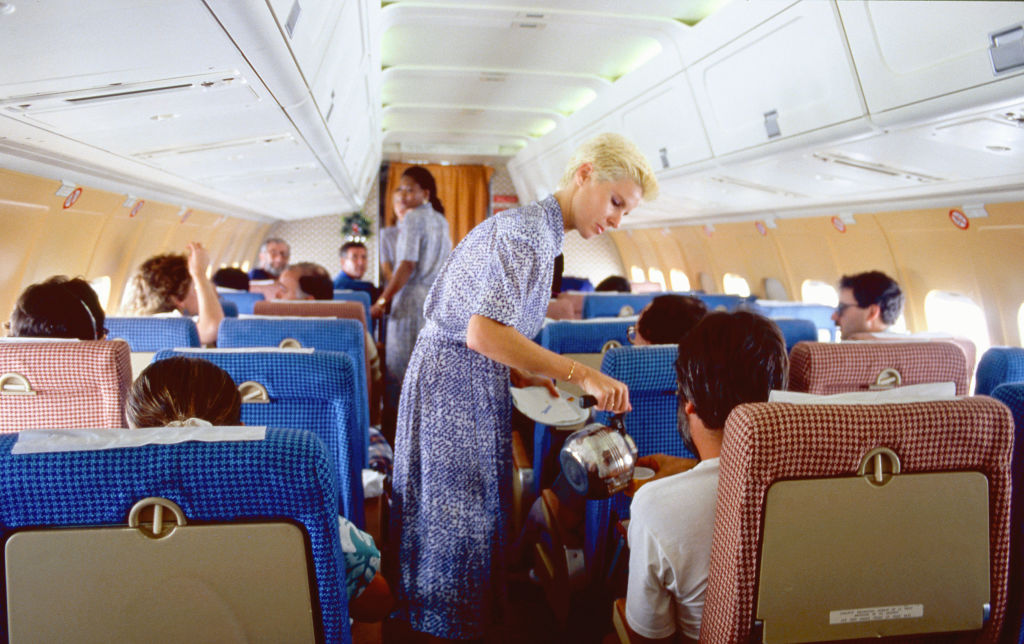
The airline industry, once a symbol of accessible luxury for the middle class, is facing severe challenges as commercial air travel becomes increasingly unaffordable. The sector's struggles have been exacerbated by recent geopolitical tensions, including the ongoing conflict involving Iran, which has disrupted global oil supplies and driven up fuel costs. This crisis comes at a time when the industry was already grappling with structural weaknesses, including soaring operating expenses and diminishing profitability.
The collapse of Spirit Airlines, a U.S. budget carrier that filed for bankruptcy at the onset of the Iran conflict, underscores the fragility of the airline market. While Spirit had long faced financial difficulties, the sudden spike in fuel prices proved fatal. The airline industry’s broader decline is not new; even before the pandemic, commercial aviation was struggling to sustain profits. During COVID-19, governments worldwide intervened with massive bailouts—$54 billion in direct aid for U.S. carriers alone—to prevent total collapse. European governments similarly provided billions in support to their national airlines, yet the underlying issues persist.
A deeper concern is the erosion of the Western middle class, which historically benefited from affordable air travel. Just decades ago, even working-class families in countries like Sweden and the UK could afford occasional charter trips to destinations such as Mallorca or Ibiza. Today, such luxuries are slipping further out of reach as ticket prices rise and disposable income shrinks. This shift reflects a broader economic decline, where energy constraints and stagnant wages have reversed decades of progress.
The decline of affordable air travel is closely tied to the availability of cheap energy, a cornerstone of mid-20th-century prosperity. The U.S. oil industry, once a global leader in conventional production, peaked in the 1970s. The later shale boom temporarily revived output but relied on costlier extraction methods, leaving airlines vulnerable to price volatility. Meanwhile, total U.S. energy production has stagnated since 2000, meaning per-capita energy access has declined as the population grows. This energy crunch has forced airlines to prioritize fuel efficiency, leading to industry consolidation and cost-cutting. Major manufacturers like Boeing and Airbus now dominate, while smaller players like Spirit have collapsed under the strain.
The current geopolitical climate adds further strain. Middle Eastern oil refineries have been disrupted, and the Strait of Hormuz remains a potential flashpoint, threatening global fuel supplies. European airlines are already raising prices or reducing capacity, while U.S. carriers face similar pressures. Yet the roots of this crisis predate recent conflicts. Airlines have been operating on razor-thin margins for years, with little room left for further cuts. For passengers and airlines alike, the era of accessible air travel may be fading, signaling broader economic challenges ahead.
#AirlineIndustry #MiddleClassDecline #EnergyCrisis #SpiritAirlines #AirTravelCosts #IranConflict #EconomicShift
Comments (0)
No comments yet — be the first to weigh in.

Middlesbrough's Crime Crisis: Decades of Failed Policies Unleash Chaos
Former Middlesbrough mayor Andy Preston blames decades of lenient crime policies for the town's recent surge in gang violence and lawlessness.

Google Maps Renames Lake Ontario to 'Lake America' Following Trump Order
Google Maps now displays 'Lake America' in the US, replacing 'Lake Ontario' after Trump's executive order amid trade tensions with Canada. Canadians still see the original name.

Pentagon Warns Pentagon Chiefs: Iran War Unsustainable, Threatens U.S. Readiness
Classified assessment reveals Pentagon chiefs warn Defense Secretary Pete Hegseth that the Iran war is unsustainable and drains U.S. military resources and readiness.

Mike Rogers Proposes $50 Copays for Routine Health Screenings, Critics Warn of Risks
Former Congressman Mike Rogers suggests $50 copays for routine screenings, sparking debate over healthcare costs and access. Critics highlight potential risks.

Mumbai’s Vile Parle Cypher is giving unheard rappers a voice

Enrich and Ultimo impress

Karnataka CM Signals Review of 5% Park Land Amendment Bill in Assembly

