How US ARPA-E Funding Drives Clean Energy Breakthroughs and Economic Growth
ARPA-E, the U.S. Department of Energy's high-risk clean energy program, has catalyzed $20B in follow-on investment and 1,400 patents since 2009. Discover its impact on climate tech and future funding debates.
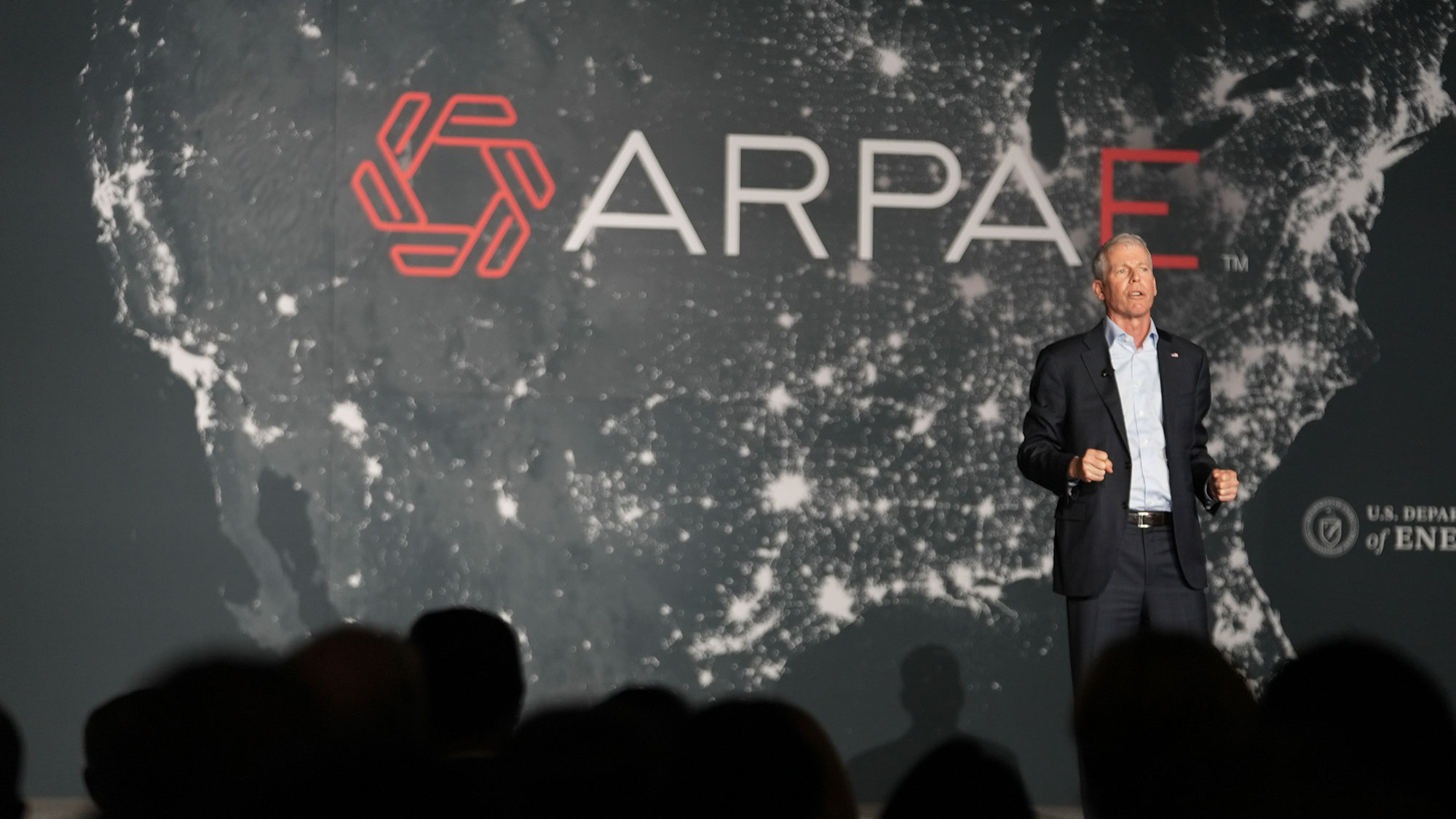
The United States has taken a significant step toward advancing climate solutions through its Advanced Research Projects Agency–Energy (ARPA-E), a government initiative that funds high-risk, high-reward clean energy technologies. Over the past 15 years, ARPA-E has allocated more than $4 billion to universities and startups, helping bridge the gap between experimental energy innovations and commercial viability. A recent report from the National Academies of Sciences, Engineering, and Medicine confirms that the program is delivering results, with ARPA-E-funded projects generating over $20 billion in additional investments and more than 1,400 patents.
ARPA-E was established in 2009 to support breakthrough energy technologies that struggle to secure private funding due to long development timelines and uncertain profitability. Early grants focused on improving solar panels and lithium-ion batteries, areas where China’s manufacturing dominance later drove down costs. However, a new National Academies report suggests ARPA-E should pivot toward harder energy challenges, including long-duration energy storage, nuclear fusion, and low-carbon industrial processes like steel and cement production.
The report highlights ARPA-E’s success in accelerating emerging technologies. Projects backed by the agency were far more likely to secure patents and additional funding than those rejected. Nearly 40 percent of ARPA-E grants triggered a "crowding in" effect, where competitors replicated successful innovations. Notable successes include Fervo Energy, which uses geothermal heat for round-the-clock power and has partnered with Google to supply data centers in Nevada, and Form Energy, which develops iron-air batteries for multi-day energy storage.
Despite its achievements, ARPA-E faces political headwinds. Former President Donald Trump attempted to defund the program during his first term and proposed cutting its budget by nearly 50 percent in his recent budget request. While the program continues under the Department of Energy, which claims it aligns with Trump’s energy dominance agenda, critics argue that funding reductions could stifle innovation. The case of Natron Energy, which secured a $1.4 billion battery plant in Rocky Mount, North Carolina, only to collapse due to investor uncertainty, underscores the risks of policy instability.
Experts emphasize the need for sustained government support to tackle the most stubborn climate challenges. Chris Bataille, a fellow at Columbia University’s Center on Global Energy Policy, notes that many critical innovations remain underfunded despite their potential. Without long-term investment, breakthroughs in fusion, seasonal storage, and low-carbon industrial materials may remain out of reach, keeping the U.S. reliant on fossil fuels for decades.
The Department of Energy maintains that ARPA-E is advancing high-risk technologies while promoting fiscal responsibility. Yet the program’s future remains uncertain amid shifting political priorities, even as its contributions to clean energy innovation become increasingly evident.
#ARPAE #CleanEnergy #ClimateTech #USEnergyPolicy #FossilFuelTransition #CarbonNeutral #EnergyInnovation #NatronEnergy
Comments (0)
No comments yet — be the first to weigh in.

Bentley Torcal: First All-Electric SUV Unveiling & Price Details
Bentley Motors will unveil its first all-electric SUV, the Torcal, on September 23. Discover pricing, features, and how it compares to competitors in the luxury EV market.

How King Harald V of Norway quietly led the world in clean tech adoption
King Harald V of Norway passed away in 2026 after a 35-year reign marked by stealth advocacy for clean technology, particularly electric vehicles, without political interference.
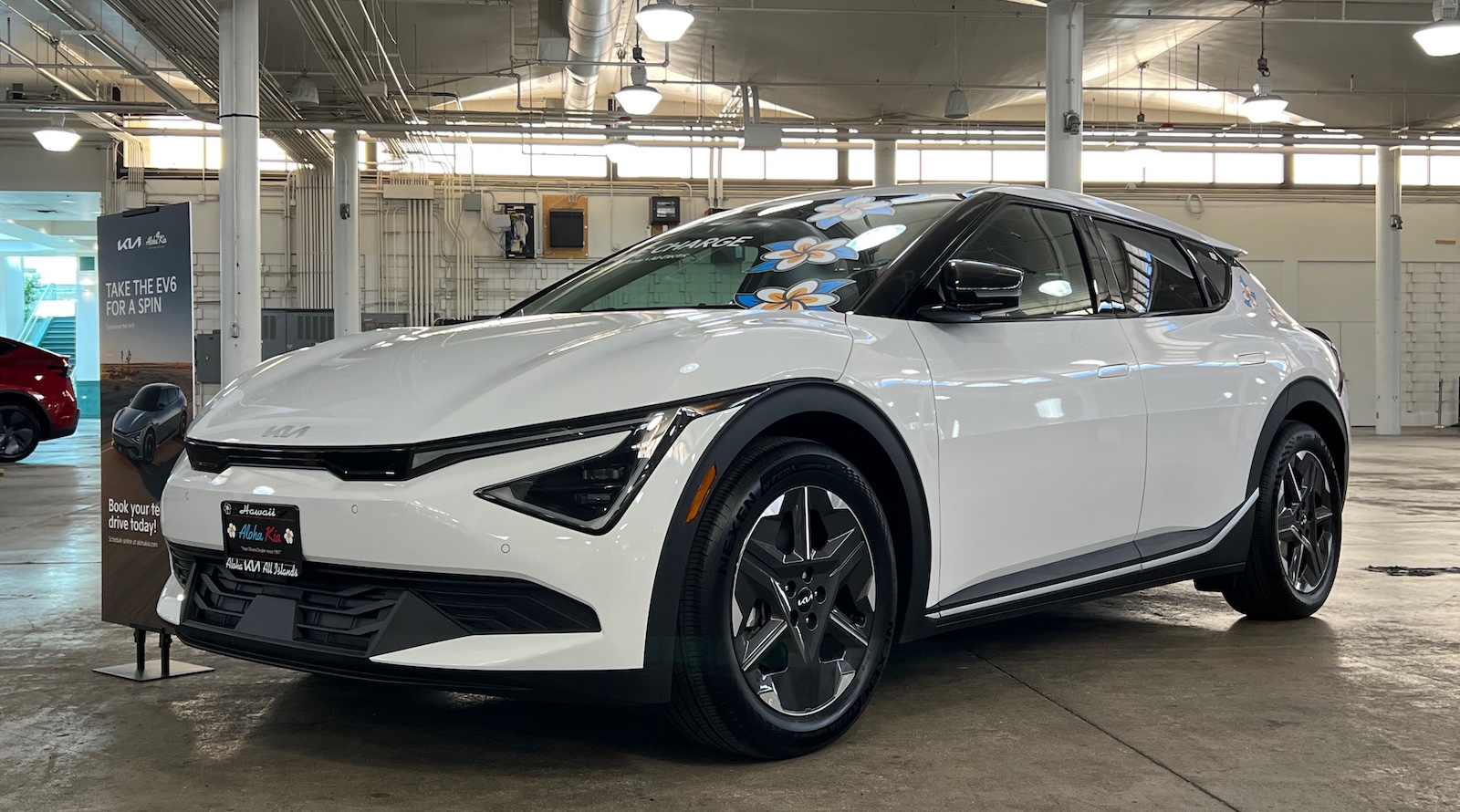
Why Gas Cars Could Be Worth Less Than Zero by 2031 in the US
Analyzing how cheap used EVs may make gasoline cars uneconomical in the US by 2031, with insights from Norway and China's used-car markets.

XPeng Advances AI Tech with VLA 2.0 Upgrade & Robotaxi Progress
XPeng's latest VLA 2.0 upgrade enhances intelligent driving with 4D perception, 20x safety boost, and voice-controlled robotaxis. Discover XPeng's AI advancements.

Mumbai’s Vile Parle Cypher is giving unheard rappers a voice

Enrich and Ultimo impress

Karnataka CM Signals Review of 5% Park Land Amendment Bill in Assembly

