Indiana Floods Devastate Cambridge City: Trump, FEMA, and Political Gridlock
Record flooding in Indiana’s Cambridge City has destroyed homes, killed seven, and left 1,000+ homeless. Trump’s delayed aid and state budget cuts hinder recovery.

Record flooding has left a trail of destruction across central and eastern Indiana, submerging homes, businesses, and critical infrastructure while response efforts face delays amid political and financial hurdles. At least seven people have died, and more than 1,000 residents have been displaced as record rainfall—over three times the average for August—caused rivers like the Whitewater and its tributary, Creitz Creek, to overflow. In the northwest, a powerful derecho storm knocked out power for over two weeks in Gary, Indiana’s only majority-Black city, leaving hundreds of thousands without electricity.
In Cambridge City, a small town in southeastern Indiana with about 1,700 residents, one-third of all homes—around 250 properties—have been damaged, with 175 sustaining significant destruction. Rick Keasling, a local resident, described water rising nearly five feet inside his home within hours as rainfall exceeded 10 inches by mid-morning on August 12. “We were fighting the water with a pump, but then it came back up the opposite direction,” Keasling said. “We’ve lost everything on the first floor and in the basement—all the big appliances.” His dog had to swim to the truck as they fled.
The flooding also destroyed a section of Interstate 70, a key highway connecting the Midwest to the eastern U.S., just north of Cambridge City. The disaster has exposed vulnerabilities in disaster response systems. Despite Governor Mike Braun requesting federal aid through the Federal Emergency Management Agency (FEMA) on August 21, the agency has yet to respond. FEMA, under the current administration, has rejected over 30 disaster declarations and delayed approvals, drawing criticism from state leaders who estimate the storm damage at $5 billion—far exceeding FEMA’s $5 million cap for Indiana.
Political decisions have also hindered recovery efforts. The Indiana state legislature, led by a Republican supermajority, has cut state funding for environmental agencies by 19% since 2010, while neighboring states Ohio and Michigan increased their funding by 19% and 78%, respectively. Indiana remains one of 18 U.S. states without a climate action plan, and legislative efforts to form a climate solutions taskforce have repeatedly stalled in the state senate.
Beth Hall, director of the Indiana State Climate Office, noted that climate change likely intensified the event. “The warmer atmosphere allowed for more vapor to condense and fall as rain,” she said. “Additionally, warmer temperatures may have caused the heat dome to persist longer than normal.”
Many affected residents, particularly in low-income areas like Cambridge City, where the median household income is 60% of the national average, lack flood insurance due to high premiums and deductibles. Small businesses, such as Vinton House Antiques, have struggled to reopen. Owner Tami Hall said, “We’ve had some people come in, but it’s not normal. People think everything’s closed.” Tom Saunders, a town board member from nearby Lewisville, described the dire situation of a 69-year-old neighbor who lost his mobile home and four cars and is now staying with him. “We’re past a week of this, and we still don’t know anything,” Saunders said. “There’s nobody to help.”
Volunteers have stepped in to provide basic necessities, with a food truck serving about 70 people daily. Yet, residents face additional challenges, including looting and inadequate insurance coverage. Keasling, whose home is being dried out by industrial dehumidifiers, said his flood insurance won’t come close to covering the damage. “There are so many people displaced,” he said. “Down in Connersville, they’re tearing down houses today.”
#IndianaFlooding #ClimateChange #FEMA #CambridgeCity #IndianaPolitics #DisasterResponse #GaryBlackCommunity #IndianaInfrastructure
Comments (0)
No comments yet — be the first to weigh in.

Bentley Torcal: First All-Electric SUV Unveiling & Price Details
Bentley Motors will unveil its first all-electric SUV, the Torcal, on September 23. Discover pricing, features, and how it compares to competitors in the luxury EV market.

How King Harald V of Norway quietly led the world in clean tech adoption
King Harald V of Norway passed away in 2026 after a 35-year reign marked by stealth advocacy for clean technology, particularly electric vehicles, without political interference.
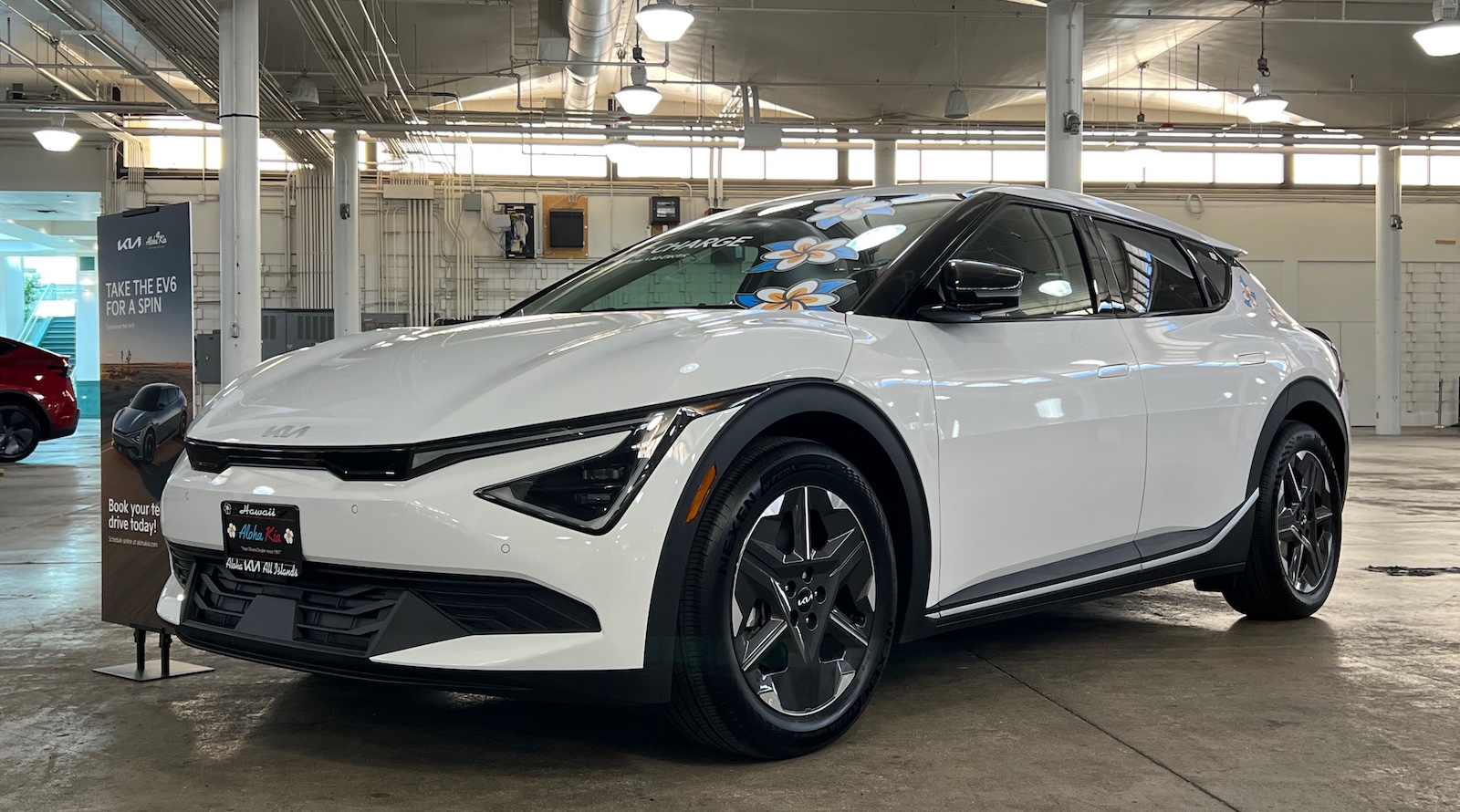
Why Gas Cars Could Be Worth Less Than Zero by 2031 in the US
Analyzing how cheap used EVs may make gasoline cars uneconomical in the US by 2031, with insights from Norway and China's used-car markets.

XPeng Advances AI Tech with VLA 2.0 Upgrade & Robotaxi Progress
XPeng's latest VLA 2.0 upgrade enhances intelligent driving with 4D perception, 20x safety boost, and voice-controlled robotaxis. Discover XPeng's AI advancements.

Mumbai’s Vile Parle Cypher is giving unheard rappers a voice

Enrich and Ultimo impress

Karnataka CM Signals Review of 5% Park Land Amendment Bill in Assembly

